Focused arrival windows
Useful updates and clear arrival timing.
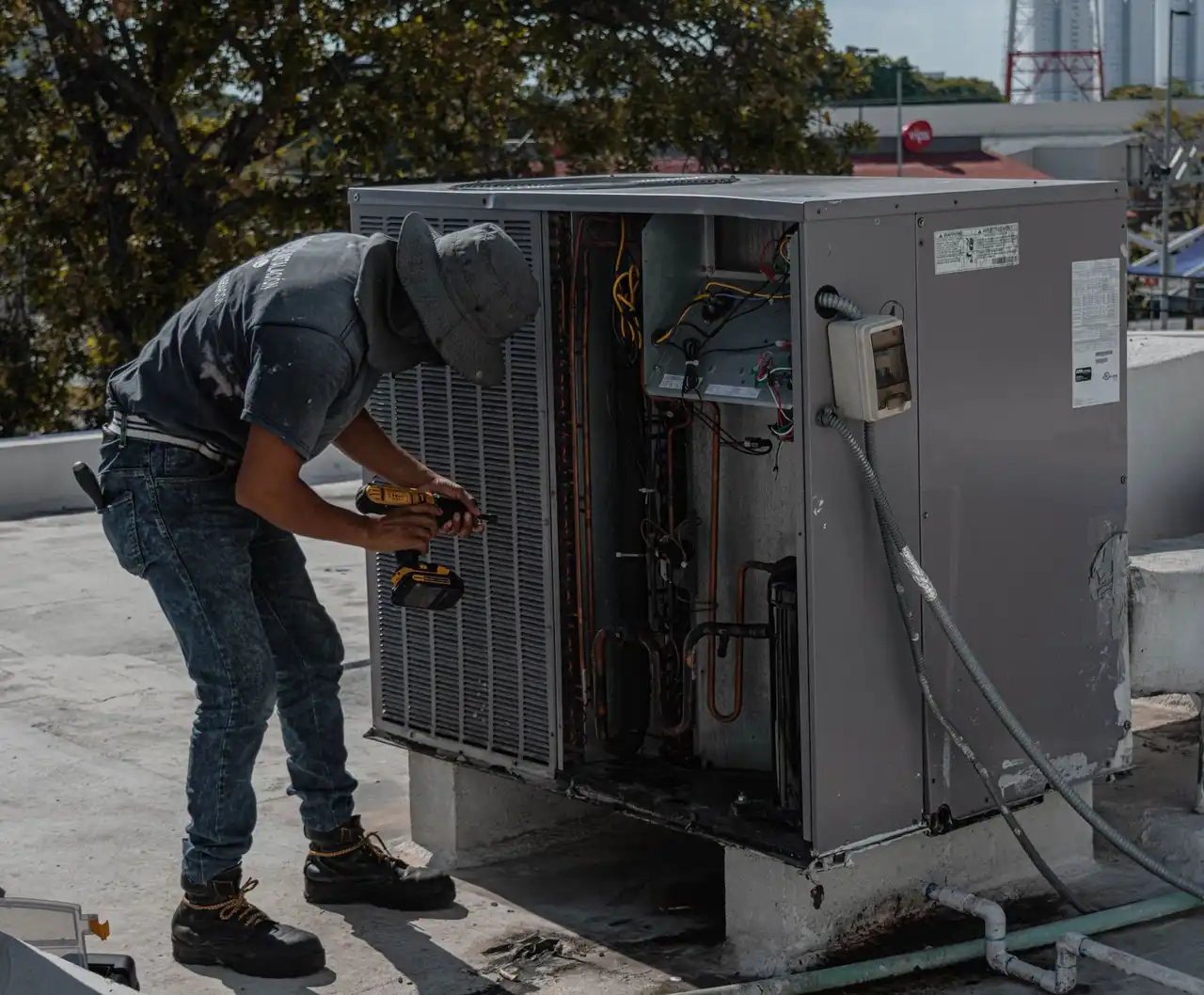
Cooling installation Linden NJ homeowners can count on starts with a proper load calculation, not a guess. We size, set, and charge your new system so it holds temperature on the hottest Union County afternoon. If your old unit is limping through another summer or you are adding central air to a house that never had it, we handle the full job from permit to first cool breeze.
Useful updates and clear arrival timing.
Review the approach and price before deciding.
Equipped vehicles and respectful cleanup.
Neighbors serving neighbors with follow-through.
Every install we quote includes the work below. If something is not on this list, we tell you upfront before we start so there are no surprises on the invoice.
We measure the house, check insulation and window exposure, and calculate the actual heating and cooling load. This is what determines tonnage, and it is the step most cheap installs skip.
Condenser, evaporator coil, copper line set, PVC condensate drain, thermostat wire, and a new filter. We use AHRI-matched combinations so the manufacturer warranty stays valid.
We pull the Linden permit and schedule the inspection. You do not have to call the township or chase paperwork. We handle it and leave the signed card with you.
Deep vacuum with a vacuum pump, charge verified with a manifold gauge set, amp draw checked with a clamp meter, and temperature split recorded. You get the readings in writing.
We remove the old condenser, coil, and any scrap line set, then sweep the mechanical space. Most customers say the basement looks better after we leave than before.
Share what is happening and receive a clear next step from the local team.
Cooling installation in Linden, NJ means removing or bypassing the old equipment, sizing a new system to your house with ACCA Manual J, running or flushing the copper line set, setting the condenser and evaporator coil, wiring the thermostat, and charging the system to the manufacturer's spec. We pull the vacuum with a vacuum pump, verify the charge with a manifold gauge set, and check amp draw with a clamp meter before we call it done. A proper install is 80 percent prep and 20 percent equipment.
Most Linden calls we run fall into three buckets: a 20-year-old unit that finally quit, a homeowner adding central air installation Linden to a house with baseboard heat, and a replacement after a failed compressor. If you are searching for new AC installation near me Linden NJ, the first question is whether your ductwork can handle the airflow. We measure static pressure with an anemometer and check for duct leakage before quoting equipment.
We walk the house, measure square footage and window exposure, inspect the existing ductwork, and check the electrical panel. You get a written Manual J load calculation and a clear equipment recommendation. Most assessments take 45 to 60 minutes.
We quote Carrier, Trane, Lennox, Goodman, Rheem, or Mitsubishi Electric based on your budget and goals, then pull the Linden permit and schedule the install. Standard residential permits clear in two to five business days.
A two-tech crew arrives in the morning and typically finishes a straight swap in six to eight hours. We set the pad, run the line set, braze with a torch kit, pull a deep vacuum, and wire the thermostat. You will hear us, but we keep the work area clean.
We charge the system to the manufacturer's subcooling or superheat target, verify amp draw on the compressor and blower, and check the temperature split at the return and supply. You get the readings in writing.
We show you the thermostat settings, the filter size, and the shutoff. Then we haul away the old equipment and leave the mechanical space cleaner than we found it. Most jobs are done before dinner.
Reads high and low side pressures so we can charge the system to the manufacturer's subcooling or superheat target instead of guessing by feel.
Pulls a deep vacuum on the line set before charging. Moisture left in the lines turns to acid and kills compressors, so this step is not optional.
Verify amp draw on the compressor and blower, check capacitor microfarads, and confirm the disconnect and breaker are sized correctly per NEC Electrical Code.
Measure airflow at each register and total duct leakage. This is how we catch undersized returns and leaky ductwork before they undermine a new system.
Recovers refrigerant from the old unit so it can be reclaimed properly. Required under EPA Section 608 rules, and we do it on every removal.
Braze copper line set connections and make flare fittings on mini-split installs. Clean joints now mean no refrigerant leaks in year three.
The industry standard for sizing residential cooling. We measure square footage, insulation, window area, and orientation, then calculate the actual BTU load. This is why we do not quote tonnage over the phone.
Used when we are adding or modifying ductwork. It sizes each branch run so every room gets the CFM it needs. Skipping Manual D is why so many additions have one hot room.
We pair the condenser and evaporator coil from the AHRI directory so the combination is certified. This keeps the manufacturer warranty valid and the rated efficiency honest.
All refrigerant work follows EPA Section 608 rules, including recovery, evacuation, and charging. Our techs hold EPA R-410A Certification for the newer blends.
We design a ducted system through the attic with a Mitsubishi Electric or Carrier air handler, or recommend ductless mini-splits if the attic is too tight for ductwork. Either way, you stop hauling window units in and out every spring. Whole-house cooling with one thermostat, no window units blocking the view, and a system that adds resale value.
We replace the condenser and coil with an AHRI-matched R-410A system, flush the existing line set, and verify the charge. Straight swap, one day, permit included. Cool house by dinner, a 10-year parts warranty, and a PSE&G bill that drops 15 to 25 percent.
We quote replacement rather than a coil swap on a unit that old, because the compressor is likely next. We also check the furnace blower since it shares the cabinet. A matched system with a documented startup, no surprise failures in year one, and a warranty that transfers if they sell.
We add a ductless mini-split for that zone instead of upsizing the central system. Daikin and Mitsubishi both make single-zone units that fit this exact problem. The bonus room holds its own temperature, the main system stops overworking, and the electric bill stays flat.
Linden sits in a humid summer pocket, and most homes here were built between 1920 and 1970 with little or no ductwork. That means a lot of our work is adding central air installation Linden to houses that were never designed for it. We run sheet metal ductwork through attics and basements, seal it with fiberglass duct insulation, and balance the system so the second floor is not 10 degrees hotter than the first. We also pull the Linden permit and schedule the inspection, which matters because Union County towns enforce the New Jersey HVACR License and NEC Electrical Code on every install. If you are searching for energy efficient AC installation Linden New Jersey, the biggest efficiency win in these older homes is usually duct sealing, not a higher SEER rating. We tell you that upfront instead of upselling equipment you do not need.
Mix of capes and split-levels, many with attic space tight enough that we use flexible duct or recommend mini-splits instead of a full ducted system.
Older homes with radiator heat and no existing ducts. Adding central air here means running a full duct system, so we quote two to four days of work.
Post-war colonials with original ductwork that is often undersized for modern equipment. We measure static pressure before quoting tonnage.
Newer construction and industrial-adjacent homes with better insulation and existing ductwork. Straight replacements here usually finish in one day.
Humidity makes an oversized system worse, because short cycles do not remove moisture. We size slightly tighter and verify the temperature split so the house feels dry, not just cool.
Adding ducts is the biggest cost driver on these jobs. We design with Manual D and often recommend mini-splits for rooms where running duct is impractical.
Every install needs a permit and an inspection. We pull it, schedule it, and meet the inspector so you are not taking a day off work.
Right-sized Energy Star equipment and sealed ducts cut peak-hour usage. That shows up on the July and August bills, not just on paper.
A Linden homeowner had a 22-year-old 3-ton unit that could not hold 75 degrees on a 95-degree afternoon. The compressor was drawing high amps and the evaporator coil was dirty enough to restrict airflow.
We installed a matched 3-ton Carrier system with a new coil and line set. Startup showed a 20-degree temperature split and amp draw within spec. The house held 72 degrees the next afternoon.
Maintenance: Change the 16x25x1 filter every 60 to 90 days and book a spring tune-up. That keeps the coil clean and the warranty valid.
A cape near Wood Avenue had baseboard heat and window units in three bedrooms. No ductwork existed, and the attic had about 30 inches of clearance in the center.
We ran insulated flexible duct through the attic and set a 2.5-ton air handler and condenser. All four rooms now cool from one thermostat, and the window units are gone.
Maintenance: Check the attic duct insulation each fall for rodent damage and keep the condensate drain clear. We flush it at the annual tune-up.
A colonial off Stiles Street had a 4-ton unit on a house that Manual J called at 2.8 tons. It short-cycled every 10 minutes, the upstairs stayed humid, and the electric bill ran $310 in August.
We installed a 3-ton Rheem system with a matched coil and rebalanced the duct dampers. Cycle time went to 18 to 22 minutes, upstairs humidity dropped, and the August bill came in around $235.
Maintenance: Leave the dampers where we set them and keep the return grilles clear. Recheck the charge every two years.
These are the calls we get most often from Linden homeowners. If any of these sound familiar, a new install is likely cheaper than another season of repairs.
You run the thermostat down to 68 and the house still sits at 78 by 4 p.m. The unit runs nonstop, the bill spikes, and the compressor wears out faster. We size a new system with Manual J and verify airflow at every register. A right-sized unit holds temperature on the hottest Union County afternoon without running itself to death.
Older units use R-22, which is phased out and costs three to four times what R-410A or R-32 runs. Every leak repair gets more expensive. A new system uses R-410A or R-32 refrigerant, which is widely available and cheaper to service. We also check the line set for leaks during install so you are not chasing refrigerant next summer.
This is usually duct leakage or undersized returns, not an equipment problem. Throwing a bigger condenser at it makes the downstairs colder and the upstairs no better. We measure static pressure with an anemometer, seal duct leakage, and balance the system with Manual D. The fix is airflow, and we handle it as part of the install.
A capacitor here, a contactor there, then a blower motor. You are $1,500 into repairs on a unit worth $2,000, and it still might quit in August. We give you an honest repair-versus-replace number. If the unit is past 15 years or the compressor is failing, replacement is the better money. We quote both so you can decide.
$4,500 - $9,500 depending on tonnage, ductwork, and efficiency tier
Typical 2026 pricing for a residential cooling installation in Linden runs $4,500 to $9,500, with most straight replacements landing between $5,500 and $7,500. Adding central air to a home with no ductwork pushes toward the top of that range or higher. We give you a written price after the Manual J, not a phone estimate, because tonnage and ductwork drive the number more than brand does.
A correctly sized, correctly charged system lasts 15 to 20 years and cuts cooling costs 15 to 30 percent versus an oversized builder-grade unit. The install quality matters more than the brand on the box.
A 2-ton system costs less than a 4-ton, but the difference is mostly equipment and line set size. We size with Manual J so you are not paying for capacity you do not need.
If your existing ducts are sized right and sealed, a swap is straightforward. If they leak or are undersized, we quote duct sealing or replacement, which can add $1,500 to $4,000.
A 14.3 SEER2 builder-grade unit costs less than an 18 SEER2 variable-speed system. The higher-efficiency unit pays back over 10 to 15 years in this climate, but not everyone needs it.
Reusing an existing copper line set saves money if it is the right size and clean. New runs, a new disconnect, or a panel upgrade add cost.
Linden requires a permit for a new install. The fee is modest, but it is part of the quote, and we handle the paperwork and the inspection.
Our techs hold NATE Certification and EPA Section 608 Certification, and we follow ACCA Manual J and Manual D on every residential install. We work on Carrier, Trane, Lennox, Goodman, Rheem, York, Mitsubishi Electric, Daikin, Bryant, American Standard, and Bosch equipment, so we are not learning your system on your dime. We know Linden's housing stock, from the older capes near Wood Avenue to the newer construction off Routes 1 and 9, and we size equipment for the actual ductwork in front of us.

Our 22-year-old unit died in July and we were sweating. They came out the next morning, measured the house, and quoted a 3-ton Carrier. Install was done in one day and the upstairs finally cools. The tech showed me the subcooling reading before he left.
We added central air to a house that only had baseboard heat. They ran the ductwork through the attic and it took three days. Clean work, no mess left behind, and the permit inspection passed first try. Worth the wait.
Got three quotes and these guys were the only ones who did a Manual J. The other two just eyeballed it. New Rheem system runs quiet and our PSE&G bill dropped about $60 a month compared to the old unit.
Most residential installs in Linden run $4,500 to $9,500 in 2026, depending on tonnage, ductwork condition, and whether we are replacing or adding new. A straight swap on existing ducts sits at the low end. Adding central air to a house with no ductwork pushes toward the high end. We give you a written number after the Manual J, not a phone guess.
Size comes from a Manual J load calculation, not square footage alone. A 1,800-square-foot Linden colonial with average insulation usually lands between 2.5 and 3.5 tons. We factor window orientation, attic insulation, duct leakage, and ceiling height. Guessing by square footage is how you end up with an oversized unit that short-cycles and leaves the upstairs humid.
A straight replacement takes six to eight hours with a two-tech crew, so most jobs are done in one day. Adding central air to a home with no ductwork takes two to four days because we are running sheet metal ductwork and fiberglass duct insulation through the house. We tell you the schedule before we start.
Yes. We offer financing on qualifying installs so you can spread the cost over monthly payments instead of paying upfront. Approval usually takes a few minutes on the phone. Ask us when you call and we will walk you through the terms before we schedule the install.
Not seeing your question? Our local team can help you understand urgency, scheduling and what to expect.
Ask the local team
If your current unit is still worth saving, we diagnose refrigerant leaks, bad capacitors, and failed compressors before recommending replacement. A $400 repair beats a $7,000 install when the equipment has life left.
View service
When repair costs climb past half the price of new equipment, replacement is the smarter call. We handle AC replacement and installation Linden NJ as one job, including haul-away and permit.
View service
A spring tune-up keeps your new system under warranty and catches clogged condensate drains and dirty evaporator coils before they become July emergencies. We recommend one visit per year.
View service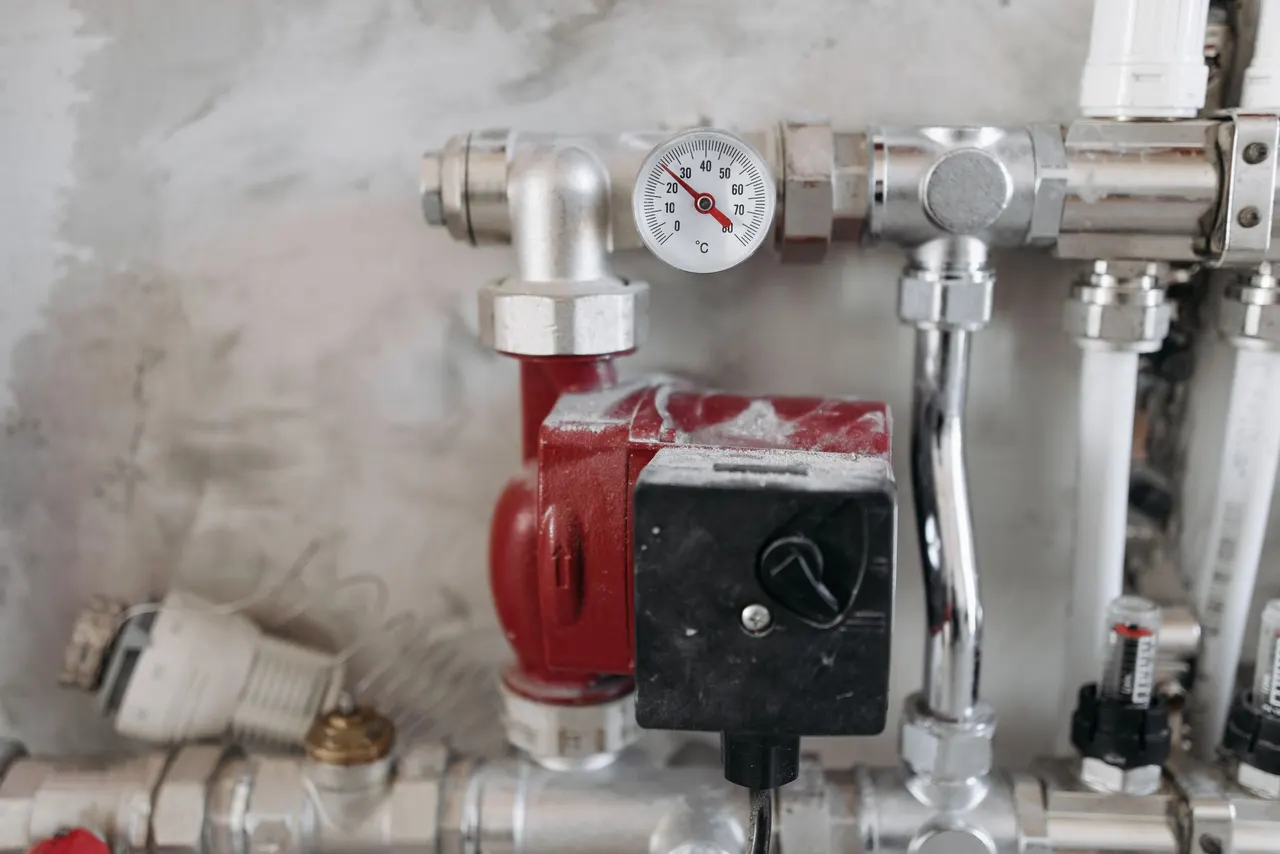
Full central air installation Linden for homes without ductwork or with undersized ducts. We design the layout with Manual D, run the sheet metal, and balance airflow room by room.
View service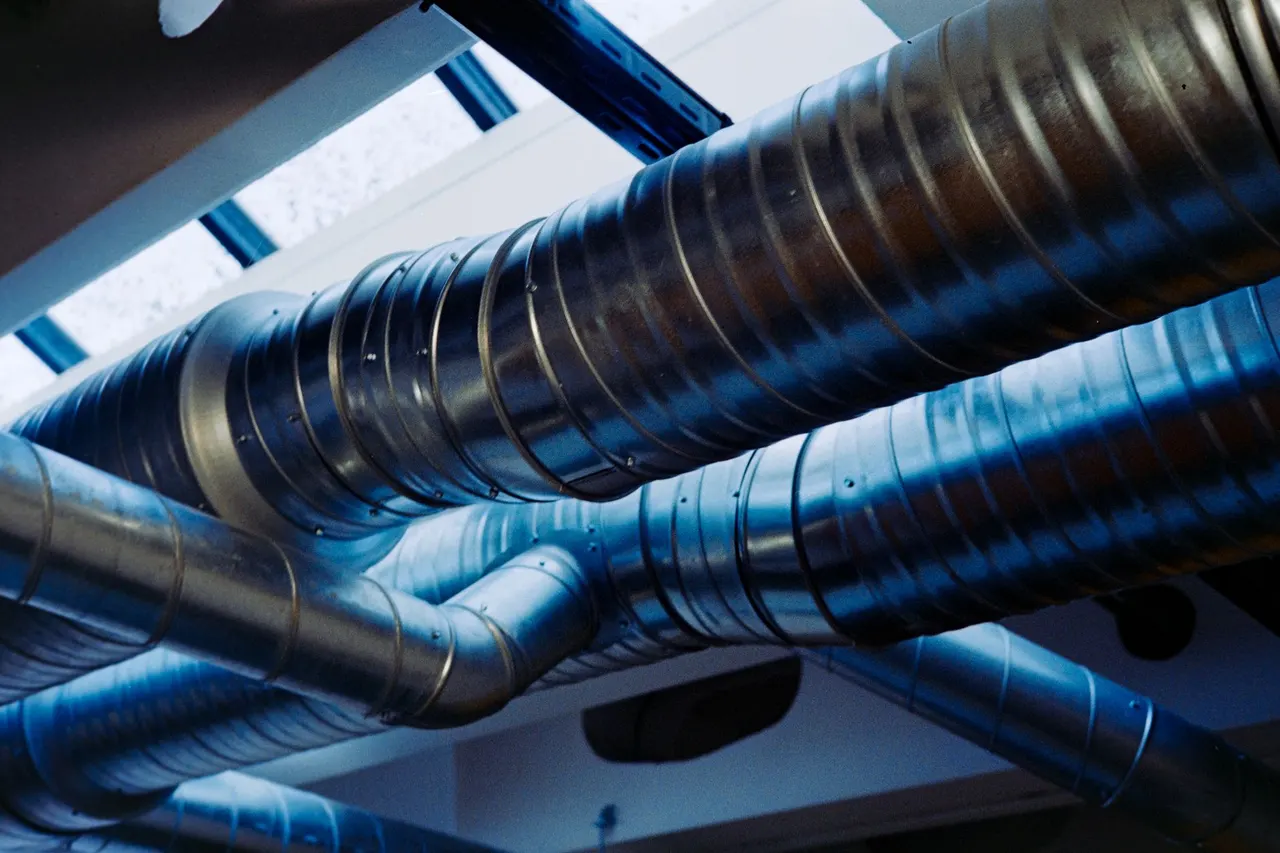
Call us at +1 973-929-2540 or email info@hvacserviceslindennj.com. We answer the phone 24/7 for emergencies. For non-emergency service, we can usually schedule a same-day or next-day visit. Our office is in Linden, New Jersey, and we serve all of Union County.