Focused arrival windows
Useful updates and clear arrival timing.
When your AC quits in July, you need a cooling contractor Linden NJ homeowners call back. We diagnose central air, ductless mini-splits, and heat pumps across Union County, then repair what failed instead of selling you a system you do not need. Most calls get same-day service, and you get a straight answer before we start.
Useful updates and clear arrival timing.
Review the approach and price before deciding.
Equipped vehicles and respectful cleanup.
Neighbors serving neighbors with follow-through.
Every AC repair call includes a full diagnostic, a written price before work starts, and a performance test when we finish. Here is what is covered in a standard repair visit.
We connect manifold gauges, check superheat and subcooling, clamp the compressor circuit with a clamp meter, and test the capacitor and contactor. We inspect the evaporator coil, blower motor, and condensate drain. This takes 30 to 60 minutes and pinpoints the failure.
Capacitors, contactors, thermostats, blower motors, and common controls are replaced with OEM or equivalent parts. We show you the failed part and explain what it does. Most of these repairs finish in under two hours.
We locate leaks with a leak detector, repair or replace the failed component, pressure-test the system, evacuate it with a vacuum pump, and recharge by weight. We use a refrigerant recovery machine on every job, as EPA Section 608 rules require.
A clogged PVC condensate drain is one of the most common reasons an AC stops cooling in Linden's humidity. We clear the line, flush the trap, and verify the drain actually drains before we leave. This prevents water damage and freeze-ups.
We measure supply and return air temperatures with an anemometer. A healthy split is 16 to 22 degrees. We check the thermostat calibration and confirm the system is cooling to spec. If the numbers are not right, we have not finished.
Share what is happening and receive a clear next step from the local team.
AC repair is the process of finding why a cooling system stopped doing its job and correcting the failed part, charge, or airflow problem. A proper call starts with a manifold gauge set on the service ports and a clamp meter on the compressor circuit. We check refrigerant pressures against outdoor temperature, verify the capacitor and contactor, inspect the evaporator coil for dirt, and confirm the condensate drain actually drains. Only then do we quote the fix.
Linden summers push systems hard. Union County humidity means your AC is also a dehumidifier, so a unit that is low on charge or has a dirty coil will sweat, freeze, and quit. If your AC is not cooling and you are searching for AC service Linden NJ, the cause is usually one of five things: refrigerant leak, bad capacitor, clogged condensate drain, dirty evaporator coil, or a thermostat that lost its mind. We test all five on every call.
You call +1 973-929-2540 or book online. We ask what the system is doing, how old it is, and whether it is blowing warm or not at all. That tells us what parts to load. Most Linden calls get a same-day window, and emergency calls get moved to the front.
The technician connects a manifold gauge set, checks superheat and subcooling, clamps the compressor circuit with a clamp meter, and tests the capacitor and contactor. We inspect the evaporator coil, blower motor, and condensate drain. This takes 30 to 60 minutes and pinpoints the failure.
We show you the failed part and explain what it does. You get one price for the repair, parts included. If the system has multiple issues, we list them in order of urgency so you can decide what to fix now and what can wait.
Most repairs take one to three hours. Capacitor and contactor swaps are often under an hour. Refrigerant leak repair takes longer because we recover, repair, pressure-test, evacuate with a vacuum pump, and recharge by weight. We use a refrigerant recovery machine on every job, as EPA rules require.
We run the system and measure supply and return air temperatures with an anemometer. A healthy split is 16 to 22 degrees. We check the condensate drain, confirm the thermostat is calibrated, and walk you through what failed and how to keep it from failing again.
Reads high and low side pressures so we can calculate superheat and subcooling and confirm whether the system is properly charged.
Tests compressor amp draw, capacitor microfarads, and control voltage. These two tools find most electrical failures on a cooling call.
Recovers refrigerant before any repair that opens the sealed system. EPA Section 608 rules require recovery, and we do it on every job.
Pulls a deep vacuum after a repair to remove moisture and air. Skipping this step is why some repairs fail within a season.
Locates refrigerant leaks that pressure testing alone can miss. Finding the leak is the only way to stop topping off a system.
Measures airflow at registers so we can confirm the system is moving the air it should. Low airflow causes freeze-ups and poor cooling.
We charge by measured superheat and subcooling, not by gauge pressure alone. This is the only way to confirm a system is charged correctly for the indoor and outdoor conditions. It prevents both undercharge and overcharge.
When a repair turns into a replacement conversation, we size the new system with ACCA Manual J and design the ductwork with ACCA Manual D. Correct sizing prevents the short cycling that kills compressors.
Every job that opens the sealed system follows EPA Section 608 rules: recover, repair, pressure-test, evacuate, and recharge by weight. Our technicians hold EPA Section 608 and EPA R-410A Certification.
Capacitors, contactors, disconnects, and thermostat wire are installed to NEC Electrical Code. Loose or undersized wiring is a common cause of repeat failures, so we check it on every call.
Call +1 973-929-2540 and tell us it is an emergency. We prioritize these calls and stock the parts that cause most failures, so a capacitor or contactor swap often finishes the same day. Cool air back the same day in most cases, with the price quoted before we start.
We diagnose refrigerant charge, airflow, and the capacitor. Low charge from a slow leak is a common cause. We locate the leak, repair it, and recharge by weight. The system cools to spec again, and the bill stops climbing because it is not running nonstop.
Turn the system off and call us. Ice means low refrigerant or restricted airflow. We find the cause, repair it, clear the drain, and verify the system runs without icing. No more freeze-ups, and the compressor is protected from the damage that comes with running iced up.
We diagnose the mini-split with manifold gauges and a multimeter. Dirty coils and low charge are common. We clean, repair, and recharge the unit. That room cools again, and you avoid replacing a unit that just needed service.
Linden sits in Union County, where summers are humid and cooling systems work as dehumidifiers as much as air conditioners. That humidity is why clogged condensate drains and dirty evaporator coils show up on so many calls here. The housing stock matters too. Older homes near the Rahway River often have ductwork that was added later, and duct leakage can make a healthy system feel weak. Newer construction off Routes 1 and 9 usually has tighter envelopes, which means correct sizing matters more. We work to New Jersey HVACR License standards and NEC Electrical Code on every job. If you need same-day air conditioning repair Linden NJ, call +1 973-929-2540 and we will tell you the next window. We serve ZIP code 7036 and the surrounding towns.
Older homes with a mix of window units and central air. Ductwork added later is common, so airflow problems show up alongside equipment failures.
Newer construction with tighter envelopes. Correct sizing matters here because an oversized system short-cycles and never removes humidity properly.
Older housing stock where condensate drains clog faster and duct leakage is common. We check both on every cooling call.
Commercial and residential mix. Rooftop and split systems here deal with full sun and long run times in July and August.
Your AC removes moisture as well as heat. A system low on charge or with a dirty coil will freeze up and stop cooling. We check charge and coil condition on every call.
Duct leakage sends cooled air into attics and crawlspaces. A system can be working perfectly and still leave rooms warm. We check duct leakage when airflow is the complaint.
Units in direct sun run hotter and work harder. We check for shade, clearance, and coil cleanliness because a dirty condenser coil raises head pressure and shortens compressor life.
A Linden homeowner called in July with an AC blowing warm air. The outdoor unit was humming but the fan was not spinning. The system had been running nonstop for two days.
We tested the capacitor and found it had failed. A replacement restored the fan and compressor. The temperature split measured 20 degrees, and the house cooled to 72 within two hours.
Maintenance: We recommended an annual maintenance visit to test the capacitor and clean the condenser coil. Capacitors wear out with heat, and a yearly check catches them before they fail in a heat wave.
A Cranford homeowner had been topping off refrigerant every spring for three years. The system cooled poorly by August and the electric bill had climbed. No one had located the leak.
We found the leak at a Schrader port with a leak detector, repaired it, pressure-tested, evacuated with a vacuum pump, and recharged by weight. The system held its charge through the rest of the summer.
Maintenance: We recommended a spring check of refrigerant pressures and a filter change every 60 to 90 days. Finding a leak early avoids the cost of repeated top-offs and compressor damage.
Water was dripping from a ceiling near the air handler. The homeowner shut the system off. The drain line had not been serviced in years and was clogged with biological growth.
We cleared the PVC condensate drain, flushed the trap, and verified flow. The ceiling dried without further damage. The system ran normally and the homeowner avoided a costly ceiling repair.
Maintenance: We recommended pouring a cup of vinegar down the drain line each spring and scheduling annual maintenance. In Linden's humidity, drains clog fast, and clearing them is cheap.
Most cooling calls come down to a handful of failures. Here is what we see most often and what happens if you let it go.
The house stays warm and humid, the system runs nonstop, and your electric bill climbs. A system running with low charge or a dirty coil can freeze and quit entirely. We test refrigerant charge, capacitor, and airflow. Most no-cool calls trace to low charge, a failed capacitor, or a dirty evaporator coil. We repair the fault and verify the temperature split before we leave.
Ice blocks airflow and the system stops cooling. If you keep running it, the compressor can fail, which turns a repair into a replacement. Freeze-ups usually mean low refrigerant, a clogged filter, or a dirty evaporator coil. We find the cause, repair it, clear the drain, and confirm the system runs without icing. We also show you the filter schedule that prevents it.
A clogged condensate drain sends water into your ceiling or floor. In Linden's humidity, drains clog fast with biological growth. We clear the PVC condensate drain, flush the trap, and verify flow. If the drain pan or line is damaged, we repair or replace it. This is one of the cheapest repairs you can make and one of the most damaging to skip.
Short cycling wears out the compressor and contactor, raises your electric bill, and leaves rooms uncomfortable. It usually gets worse over time. We check refrigerant charge, thermostat calibration, and airflow. An oversized system or a failing control can cause it. We diagnose the cause and repair it so the system runs full cycles instead of short bursts.
$180 - $1,200 depending on scope
Typical 2026 pricing in this area runs $180 to $450 for common repairs like capacitors, contactors, and drain clearing. Refrigerant leak repair and compressor work run higher because of parts and labor. You get the price before we start. We do not charge for a diagnosis and then surprise you with the repair cost. If the repair is simple, the bill is small. If it is not, you will know why before we begin.
A repair that costs a few hundred dollars is almost always cheaper than a replacement. We quote the repair honestly. If replacement is the better call, we say so and show you why.
A capacitor or contactor is a quick, low-cost repair. A compressor or evaporator coil is a major component and costs more. The diagnostic tells us which one you have before we quote.
R-410A and R-32 have different costs, and the amount needed depends on system size and line length. We charge by weight after a leak repair, not by guess.
An air handler in a closet or attic takes longer to reach than one in a basement. Access affects labor time, and we tell you when it does.
Common parts ride on our trucks, so most repairs finish in one visit. Less common parts may need ordering, which adds a day or two. We tell you upfront.
An older system with multiple failing parts may not be worth repairing. We give you both numbers, repair and replace, so you can decide with real information.
Our technicians hold NATE Certification and EPA Section 608 Certification, which means they are trained and legally cleared to handle refrigerants. We work on R-410A and R-32 systems and follow ACCA Manual J and Manual D when sizing and ducting matters. Every repair is done to New Jersey HVACR License standards and NEC Electrical Code where wiring is involved. We are not a franchise call center. We are a local shop that answers the phone, shows up, and fixes the system.
Our AC quit on a Saturday in July. I called and they had a tech out the same afternoon. He found a failed capacitor, showed me the bulging part, and had it swapped in under an hour. The house was cool before dinner. Price was exactly what he quoted.
We had a refrigerant leak that two other companies just kept topping off. This crew found the leak with a detector, repaired the line, and recharged the system by weight. It has held the charge all summer. They explained everything without talking down to me.
Our mini-split stopped cooling in the bedroom. They diagnosed a dirty coil and a low charge, cleaned it, and recharged it. The tech also showed me how often to clean the filter. Honest work at a fair price. I will use them again.
The most common causes are low refrigerant from a leak, a failed capacitor, a clogged condensate drain, or a dirty evaporator coil. In Linden's humid summers, a coil that ices over will block airflow and stop cooling entirely. We test all four on every call and tell you which one failed.
Typical 2026 pricing in this area runs $180 to $450 for common repairs like capacitors, contactors, and drain clearing. Refrigerant leak repair and compressor work run higher because of parts and labor. You get the price before we start, and the diagnostic fee is disclosed upfront.
Most repairs take one to three hours. A capacitor or contactor swap is often under an hour. Refrigerant leak repair takes longer because we recover, repair, pressure-test, evacuate, and recharge. We give you a time estimate when we quote the job.
Yes. We take emergency AC repair calls and prioritize them, including nights and weekends. If you need Linden NJ AC repair open now, call +1 973-929-2540 and we will tell you the next available window. Same-day service is the goal on every call.
Not seeing your question? Our local team can help you understand urgency, scheduling and what to expect.
Ask the local team
When a repair no longer makes financial sense, we install new cooling systems sized with ACCA Manual J. We handle the line set, thermostat wire, and ductwork so the new unit runs at its rated efficiency from day one.
View service
A compressor failure or a leaking coil on an old system often points to replacement. We remove the old equipment, flush or replace the copper line set, and commission the new unit. You get a system that cools and a warranty that holds.
View service
Annual maintenance catches the problems that turn into repair calls. We clean the evaporator coil, check refrigerant charge, test the capacitor, clear the condensate drain, and change your filter. Two visits a year keeps a system running through Linden summers.
View service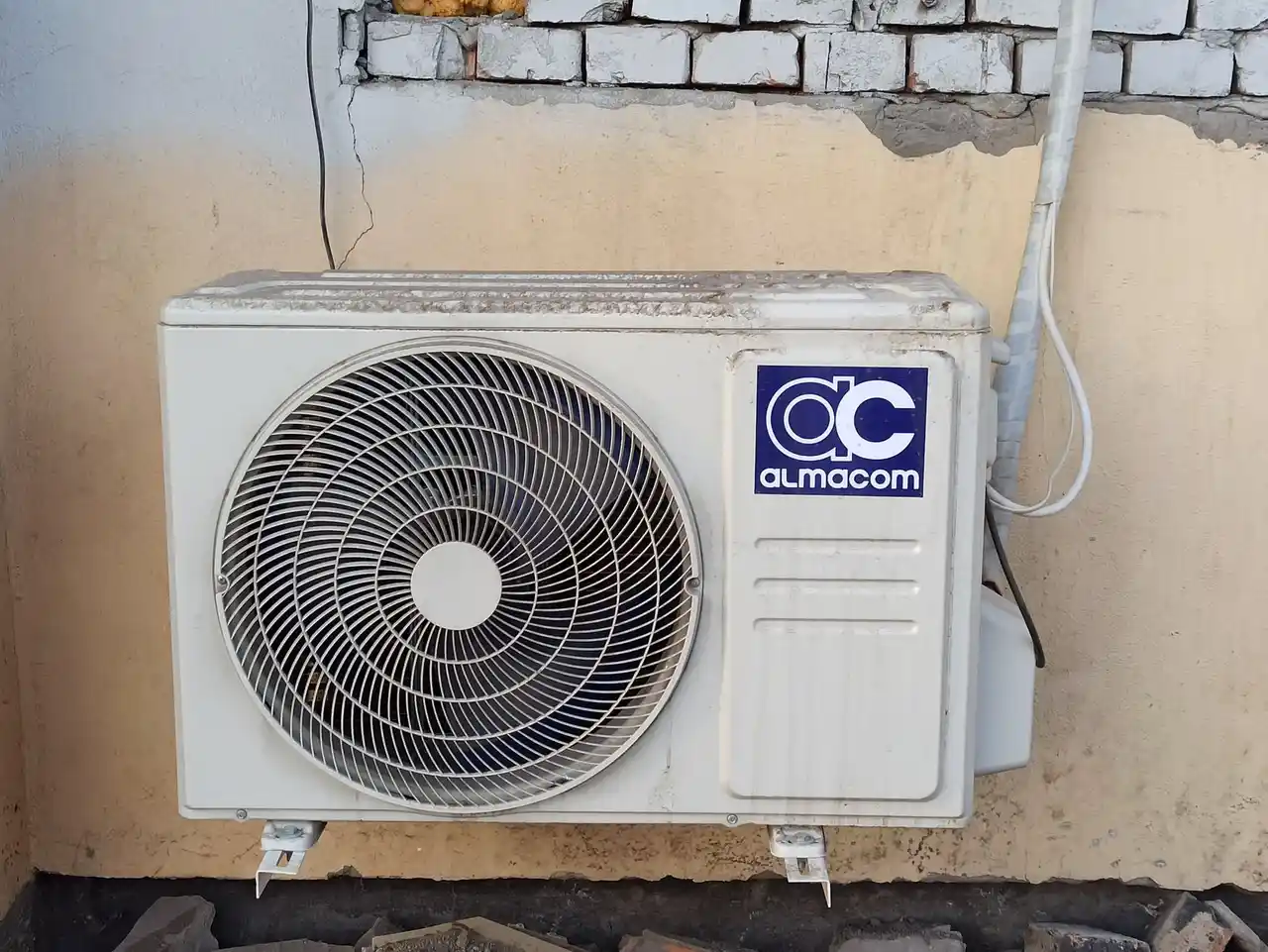
New central air for Linden homes means correct sizing, correct ductwork, and correct charge. We follow ACCA Manual J and Manual D, seal duct leakage, and verify the temperature split before we call the job done.
View service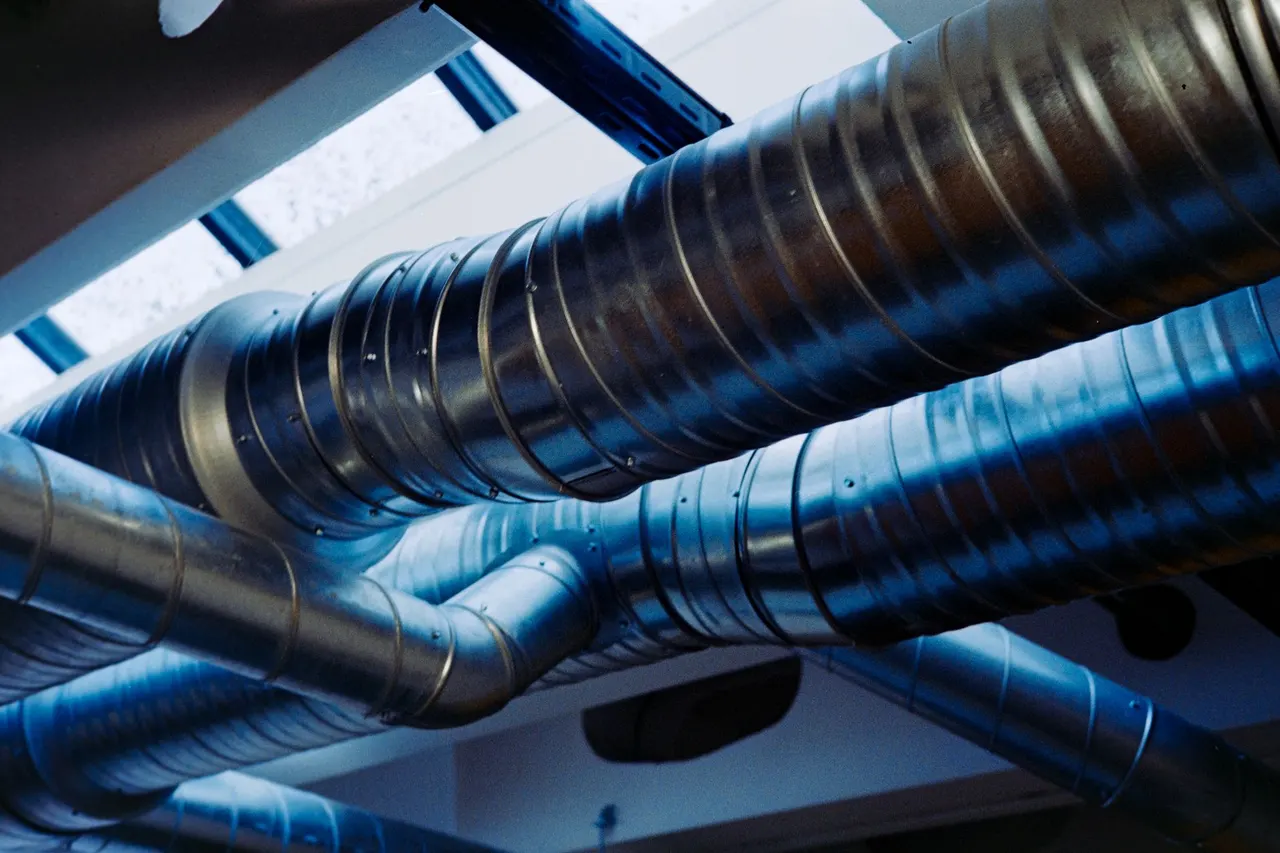
Call us at +1 973-929-2540 or email info@hvacserviceslindennj.com. We answer the phone 24/7 for emergencies. For non-emergency service, we can usually schedule a same-day or next-day visit. Our office is in Linden, New Jersey, and we serve all of Union County.