Focused arrival windows
Useful updates and clear arrival timing.
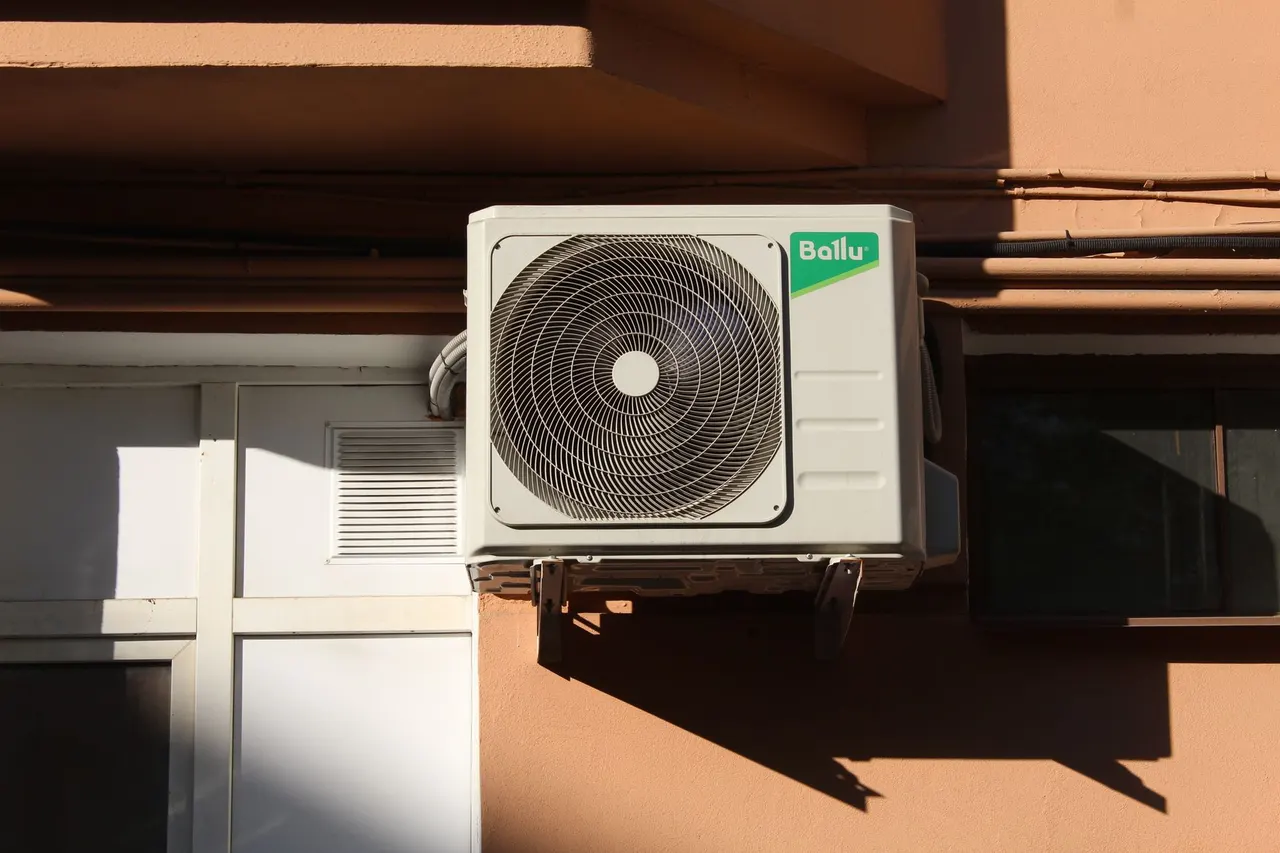
If your Linden home has radiators, a boiler, or rooms that never get comfortable, ductless mini-split installation Linden NJ gives you room-by-room heating and cooling without tearing up walls for ductwork. We size each head with ACCA Manual J, run the line set clean, and commission the system so it holds temperature in January and August. One visit, one crew, no subcontracted installers.
Useful updates and clear arrival timing.
Review the approach and price before deciding.
Equipped vehicles and respectful cleanup.
Neighbors serving neighbors with follow-through.
Every install we do includes the same core scope. If your job needs something extra, like a new circuit from the panel or a condensate pump, we tell you before we start and price it in the quote. No surprise line items after the fact.
We measure every room, check window area, insulation, and existing heat before we pick a head size. This is the step that decides whether your system keeps up on a 98-degree day or falls behind by 5 degrees.
Wall brackets or a ground pad for the condenser, wall plates for each indoor head, and a 3-inch penetration with a proper sleeve and seal. We keep the line set cover straight and paint-matched where it shows.
Copper line set, PVC condensate drain routed to a safe exit, and thermostat wire from each head to the condenser. We use a tube cutter and flaring tool on every connection instead of compression fittings.
A vacuum pump pulls the system to 500 microns and we hold it for 15 minutes. Then we release the factory charge and add refrigerant by weight if your line set runs longer than the standard length.
We start every head, check the temperature split, verify the drain, set the schedules, and walk you through the remote. You run the system yourself before we leave, and we register the warranty for you.
Where Linden requires an electrical permit for the condenser circuit, we pull it and meet the inspector. You get the signed-off paperwork for your records and for any future sale of the home.
Share what is happening and receive a clear next step from the local team.
Ductless mini-split installation Linden NJ is the process of mounting one outdoor condenser and one or more indoor air-handling heads, then connecting them with a copper line set, PVC condensate drain, and thermostat wire. There is no sheet metal ductwork involved. Each head gets its own zone, so a bedroom in a 1920s Linden colonial can run at 68 degrees while the kitchen stays at 72. We pull a vacuum to 500 microns, weigh in R-410A or R-32 refrigerant by the ounce, and pressure-test every flare before we call the job done.
Most Linden calls we run fall into three buckets: a second-floor that bakes all summer because the boiler system has no cooling, a finished basement that never gets warm, or an addition over a garage with no duct path. Ductless AC installation Linden NJ solves all three without a major renovation. If you have been searching ductless mini split installation near me Linden NJ, the short answer is that a single-zone job usually takes one day and a three-zone job takes two.
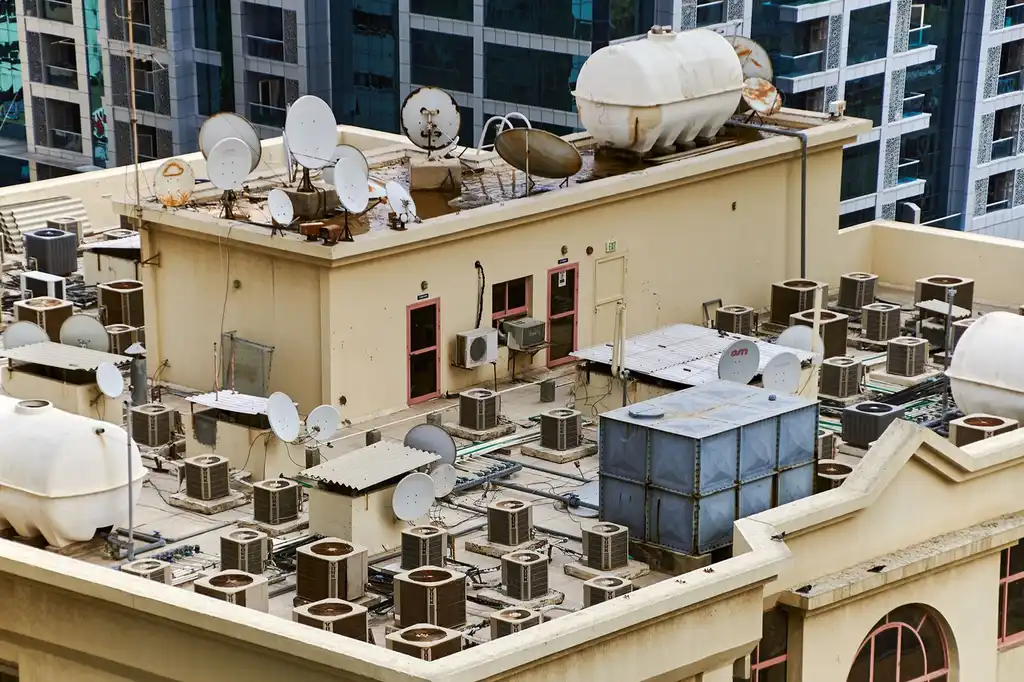
We walk the house, measure square footage, check window orientation, insulation, and existing heat. Then we run an ACCA Manual J load calculation to size each zone. This takes 45 to 60 minutes and it is the step most cheap installers skip. Skip it and you get a system that short-cycles in spring and never catches up in a heat wave.
You get a line-by-line quote with head locations, condenser placement, line set routing, and electrical needs. We mark the wall positions with tape so you can see exactly where each head lands before we cut anything. Most Linden homeowners approve the same day.
A two-technician crew arrives in the morning. We set the outdoor condenser on a wall bracket or pad, mount each indoor head, drill the line set holes, and run copper, condensate, and control wire. Single-zone jobs finish in one day. Three to four zones run into a second day.
We pull a deep vacuum with a vacuum pump and manifold gauge set, hold it at 500 microns for 15 minutes to prove there is no moisture or leak, then release the factory charge and top off by weight if the line set runs long. Every flare gets a leak detector pass before we close up.
We start each head, check supply air temperature split with an anemometer, verify condensate drains to the outside, and set the thermostat schedules. Then we walk you through the remote, the filter cleaning schedule, and the warranty registration. You run the system before we pack up.
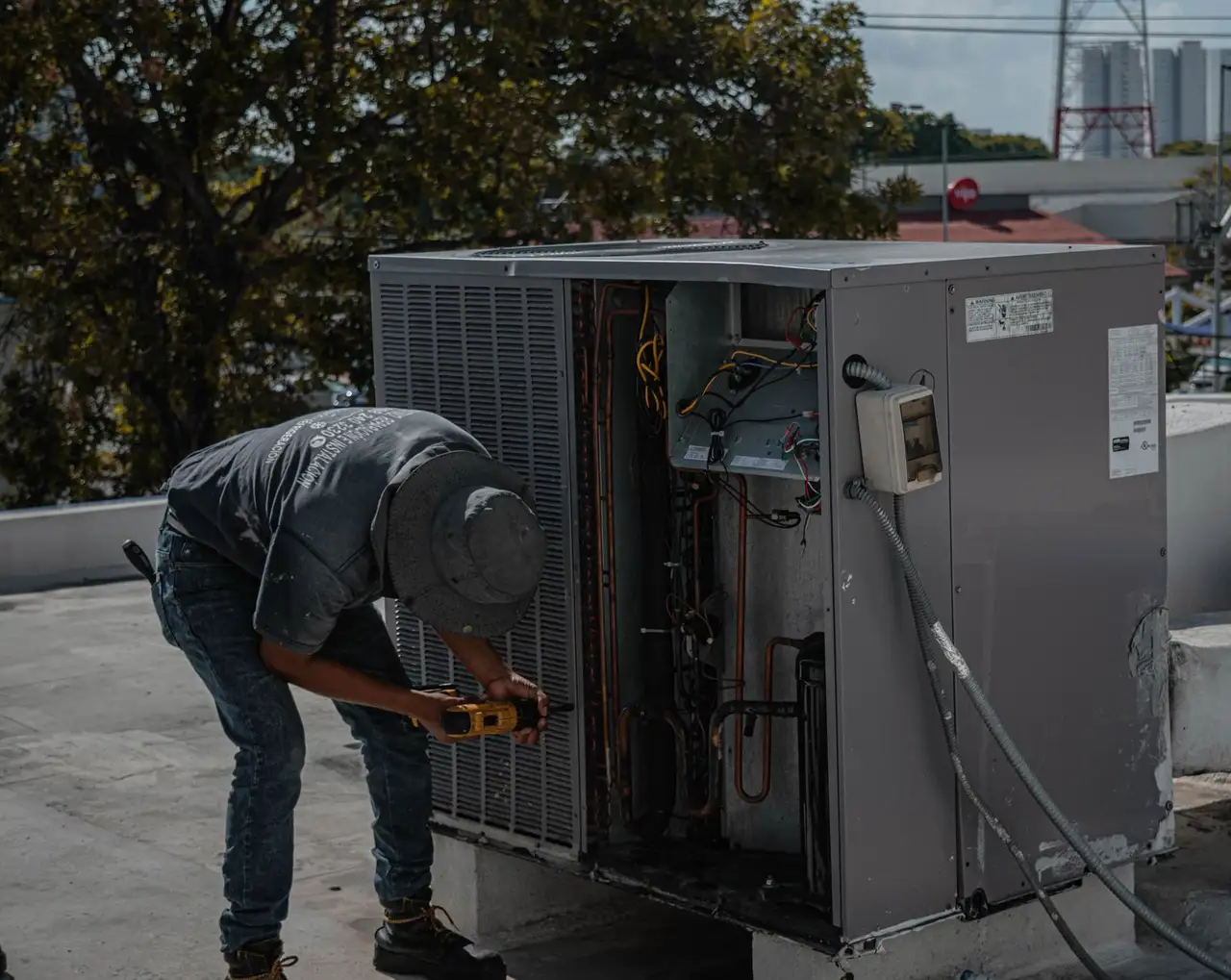
Used together to evacuate the line set and hold at 500 microns. This is how we prove there is no moisture or leak before we release the factory refrigerant charge.
The micron gauge confirms the vacuum hold. The leak detector gets run over every flare and brazed joint before we close up the line set covers.
Every copper connection gets cut square and flared to spec. We do not use compression fittings on refrigerant lines, ever, because they fail at the joint.
We check amp draw on the compressor and fan at startup and verify control voltage at the board. This catches a wiring issue before it becomes a callback.
Measures supply air velocity at each head so we can confirm the temperature split is in range. A head that is not moving enough air is a head that will freeze up.
If we need to open the system for any reason, we recover refrigerant instead of venting it. That is an EPA requirement and it is the right way to work.
We size each zone from measured square footage, window area, insulation values, and orientation. This is the standard the industry uses, and it is why we sometimes recommend a smaller head than a competitor quoted.
We pull the system down and hold it for 15 minutes. If it rises above 500 microns, there is moisture or a leak, and we find it before we charge the system. Skipping this step is the most common cause of early compressor failure.
We add refrigerant by weight, not by gauge pressure alone, when the line set runs longer than the factory charge covers. That gets the charge exact and keeps the system at rated efficiency.
The condenser circuit gets sized to the nameplate, protected by the right breaker, and run in the right conduit. We follow NEC Electrical Code and pull the Linden permit when one is required.
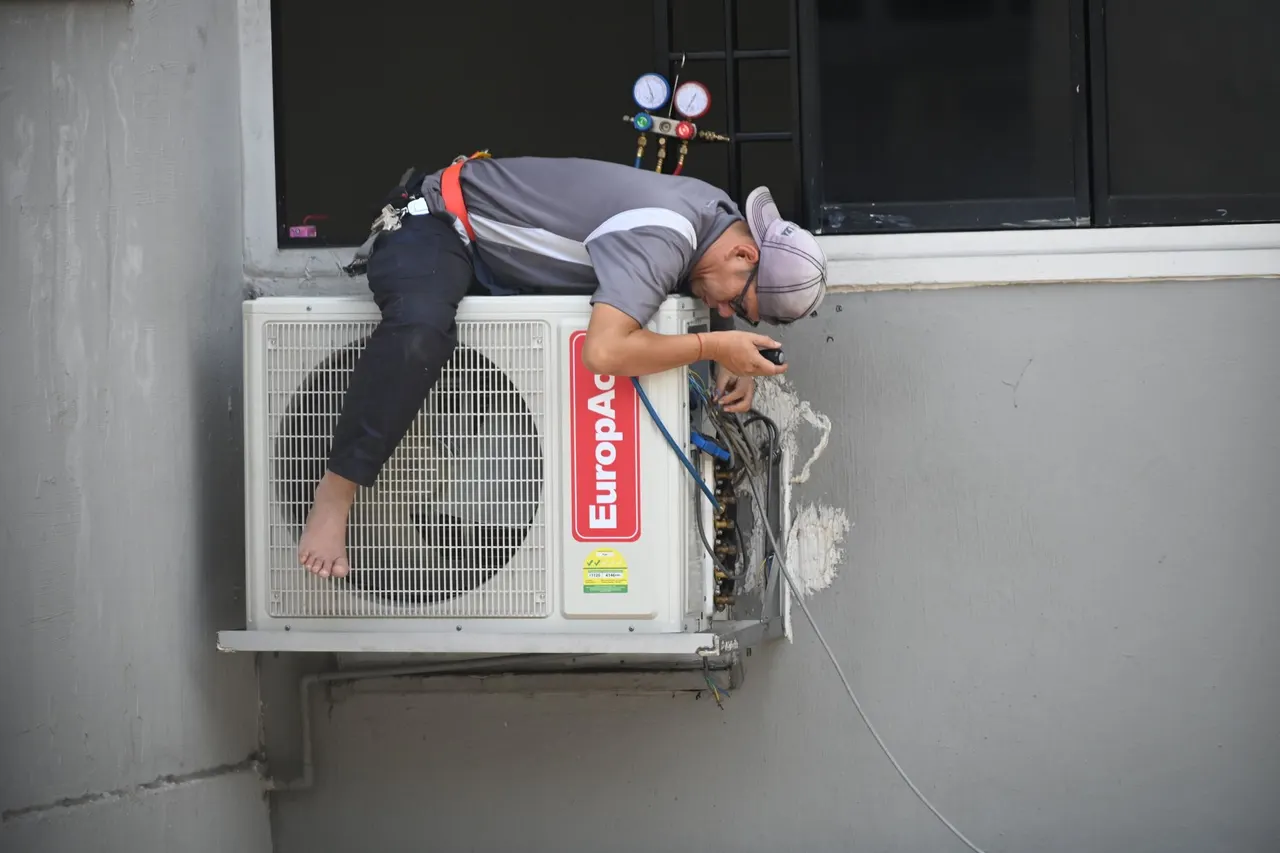
We install three heads, one per bedroom and one on the first floor, and leave the boiler in place for backup heat. The line sets run through the exterior wall and up the back of the house, hidden behind a cover. The house gets real air conditioning for the first time without a single run of ductwork or a single patched plaster ceiling.
We add a single-zone mini split for the bonus room and leave the central system alone. The mini split handles the room that the duct system was never sized for. The bonus room holds temperature within 2 degrees of the thermostat setting, and the main system stops working overtime.
We install a separate mini split system for the upstairs unit with its own condenser and its own meter circuit. The tenant pays for what they use. No more arguments about the thermostat, and the landlord stops subsidizing the upstairs electric bill.
Two heads cover a typical Linden two-bedroom, one in the living area and one in the bedroom. We mount them high on the wall, out of furniture range. Year-round comfort with no seasonal lifting, no window left cracked open for the cord, and no security gap.
Linden sits in Union County, and the housing stock here shapes every install we do. A lot of the city is pre-1950 construction with plaster walls, radiators, and no ductwork, which is exactly the situation mini splits were built for. Summers here push into the high 90s with humidity that makes a 78-degree house feel like 85, and winters drop into the teens often enough that you need a cold-climate unit, not a builder-grade one. We size for a 95-degree design day and a 12-degree winter night, which is the ACCA Manual J standard for this part of New Jersey. Line set routing matters here too. Many Linden homes have narrow side yards, so we plan the condenser placement around clearance and noise before we quote. If you are searching for a Linden NJ mini split installation open now, call and we will tell you the soonest we can get out.
Tighter lots and older homes with plaster walls. We plan line set routes along the exterior to avoid opening interior walls.
Mix of two-families and single-family homes. Separate systems per unit are common here so each tenant pays their own electric.
Closer to the water, so outdoor condensers need corrosion-resistant coils and a bracket that keeps them off the ground.
Mostly post-war capes and ranches with low attics. Mini splits beat trying to run duct through a 2-foot attic space.
We size for latent load, not just sensible load, so the system pulls moisture out of the air instead of just dropping the temperature. An oversized head cools fast and leaves the house clammy.
We specify cold-climate heat pumps rated to minus 13 degrees Fahrenheit. A standard mini split loses capacity below 20 degrees and would leave you cold in January.
Many Linden homes still have 100-amp panels. We check available capacity before quoting and tell you if a panel upgrade is needed, so there is no surprise on install day.
Condenser placement has to respect clearance for airflow and local noise rules. We plan the location during the sizing visit, not on install day.
A 1930s colonial near the Rahway River with radiators and no cooling. Two window units ran all summer and still left the hallway at 80 degrees. Electric bills spiked every July and August.
We installed three zones, one per bedroom and one in the upstairs hall. The second floor now holds 72 degrees on a 96-degree day. The homeowner dropped from two window units to zero and cut summer electric use by about 30 percent.
Maintenance: Clean the indoor filters every four to six weeks during cooling season and rinse the outdoor coil each spring. We schedule an annual tune-up to check charge and clear the condensate drain.
A finished basement in North Linden stayed in the low 60s all winter. The family used it as storage because it was too cold to sit in, and a space heater barely made a dent.
One 12,000 BTU cold-climate head brought the basement to 70 degrees in heating mode. The room is now a home office and a playroom. The space heater is gone and the winter electric bill went down, not up.
Maintenance: Keep the condensate drain clear and check it monthly in cooling season. We routed it above grade so it cannot freeze, but a visual check in fall is still worth doing.
A bonus room over a garage in Sunnyside was 10 degrees hotter than the rest of the house in summer and 8 degrees colder in winter. The central system could not reach it and extending duct meant cutting the ceiling.
We added a single-zone mini split with the line set run along the exterior wall. The room now holds within 2 degrees of the thermostat year-round. No ceiling was opened and no ductwork was added.
Maintenance: Wipe the indoor head monthly and have the outdoor unit coil cleaned each spring. A yearly check on the flare connections catches any slow leak before it costs you a compressor.
Most of our calls come from homeowners dealing with one of these. If yours is on the list, a mini split is probably the right answer, and we will tell you if it is not.
Window units block light, rattle all night, and still leave the hallway at 80 degrees. You end up sleeping in the living room. We install one or two heads on the second floor and zone them separately from the first floor. You cool only the bedrooms at night and shut the rest down, which cuts run time and noise.
The space is unusable from November through March, so you are paying a mortgage on square footage you cannot use. A single ductless heat pump installation Linden NJ head in the basement turns it into a year-round room. We size it for the below-grade load and route the condensate drain so it exits above grade and never freezes.
A room over the garage or a rear addition is either freezing or baking because extending ductwork means cutting through finished ceilings. A mini split needs only a 3-inch hole for the line set. We mount the head on an interior wall, run the line set along the exterior, and you get full heating and cooling without touching the ceiling.
Baseboard heaters and space heaters run at a coefficient of performance of 1.0, meaning every dollar of electricity buys one dollar of heat. A cold-climate mini split runs at a COP of 2.0 to 3.5 in Linden winters. Same heat, roughly a third of the electricity. Most customers see the difference on the first full bill.
$3,500 - $14,000 depending on zone count and scope
Typical 2026 pricing in the Linden area runs $3,500 to $5,500 for a single-zone install and $9,000 to $14,000 for three zones. The number moves with zone count, line set length, electrical work, and whether the condenser goes on a bracket or a pad. We quote the full job in writing after the sizing visit, so you are comparing a real number, not a range. If a competitor quotes you less, ask them whether they are pulling a vacuum to 500 microns and pulling the permit. Those two steps are where cheap installs cut corners.
A mini split lasts 15 to 20 years with annual service. Spread over that life, a three-zone system costs less per month than most people spend on window units and space heaters, and it adds usable square footage to the house.
Each indoor head adds equipment cost, line set, and labor. Going from one zone to three typically doubles the job. We size each zone separately so you are not paying for capacity you do not need.
Standard line sets cover up to 25 feet. Beyond that we add refrigerant by weight and more copper. A difficult route through a finished wall or a long exterior run adds labor and materials.
If your panel has room for a dedicated 240-volt circuit, the electrical add is small. If the panel is full or the run is long, that cost goes up. We check this during the sizing visit so there is no surprise.
A ground pad is the cheapest option. A wall bracket costs more but keeps the unit out of snow and away from lawn equipment. In tight Linden side yards, a bracket is often the only option.
A 17 SEER2 single-zone unit costs less than a 25 SEER2 cold-climate model. The higher tier costs more up front and less every month, and it qualifies for larger New Jersey utility rebates.
Linden requires an electrical permit for the condenser circuit on most installs. We pull it and meet the inspector. The fee is small and it protects you at resale.

Our upstairs was unbearable every July and we had no ducts. The crew put two heads upstairs and one in the living room. They taped the wall positions first so we could see exactly where everything went, and the line set holes were smaller than I expected. First summer the electric bill dropped about $60 a month. They came back once to adjust a remote setting and did not charge us.
I got three quotes. Two of them sized the system off square footage alone. This crew ran a Manual J and actually recommended a smaller head for our bedroom than the other guys did. Install took a day and a half for three zones. They pulled the vacuum in front of me and showed me the micron gauge holding at 500. That told me everything.
We added a mini split to a finished basement that never got warm. The technician ran the condensate drain so it exits above the grade, which the last guy did not do. Heat works great in January, and the defrost cycle is quieter than our old furnace. They registered the warranty for us and left the AHRI sheet for the rebate.
Most single-zone installs in Linden run $3,500 to $5,500 in 2026, and a three-zone system typically lands between $9,000 and $14,000 installed. The cost to install mini split Linden NJ depends on zone count, line set length, whether we need a 240-volt circuit run from your panel, and whether the condenser goes on a wall bracket or a ground pad. We quote the full job in writing before we start.
One head per room you want to control, up to the capacity of the outdoor unit. A typical Linden two-bedroom apartment needs two heads. A three-bedroom colonial with a finished basement usually needs four. We size each head with ACCA Manual J based on square footage, window area, and insulation, so you are not guessing at the counter at a big-box store.
A single-zone install takes six to eight hours, start to finish. Two zones usually finish in one long day. Three or four zones take two days, mostly because of the line set routing and the electrical work. If your panel needs a new breaker or a dedicated circuit, add half a day. We tell you the schedule up front and we hold to it.
Yes. Cold-climate ductless heat pump installation Linden NJ handles heating down to minus 13 degrees Fahrenheit on the better Mitsubishi Electric and Daikin models. Linden winters rarely drop below zero, so a modern cold-climate unit will carry your heat all season. Below minus 5, the system may run a defrost cycle, which is normal and lasts a few minutes.
Not seeing your question? Our local team can help you understand urgency, scheduling and what to expect.
Ask the local team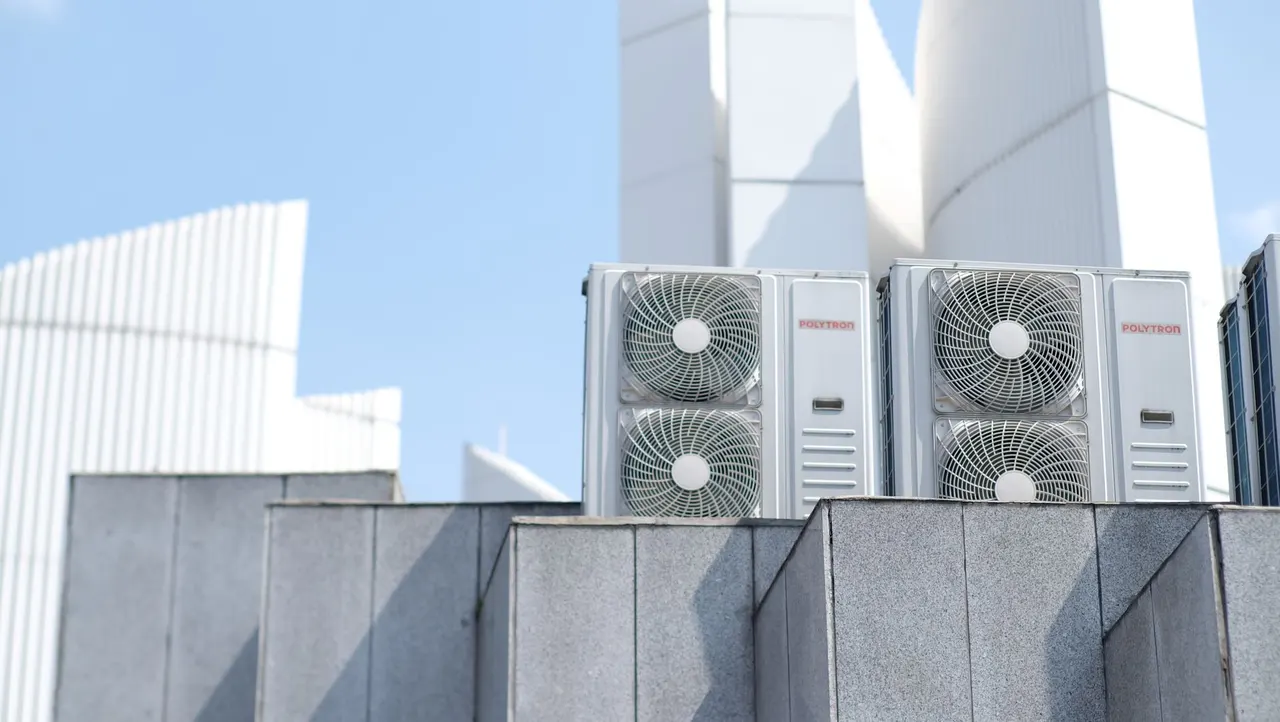
If your existing central AC is on its last leg, we can repair it while you decide on a mini split. We diagnose refrigerant leaks, bad capacitors, and frozen evaporator coils the same day you call.
View service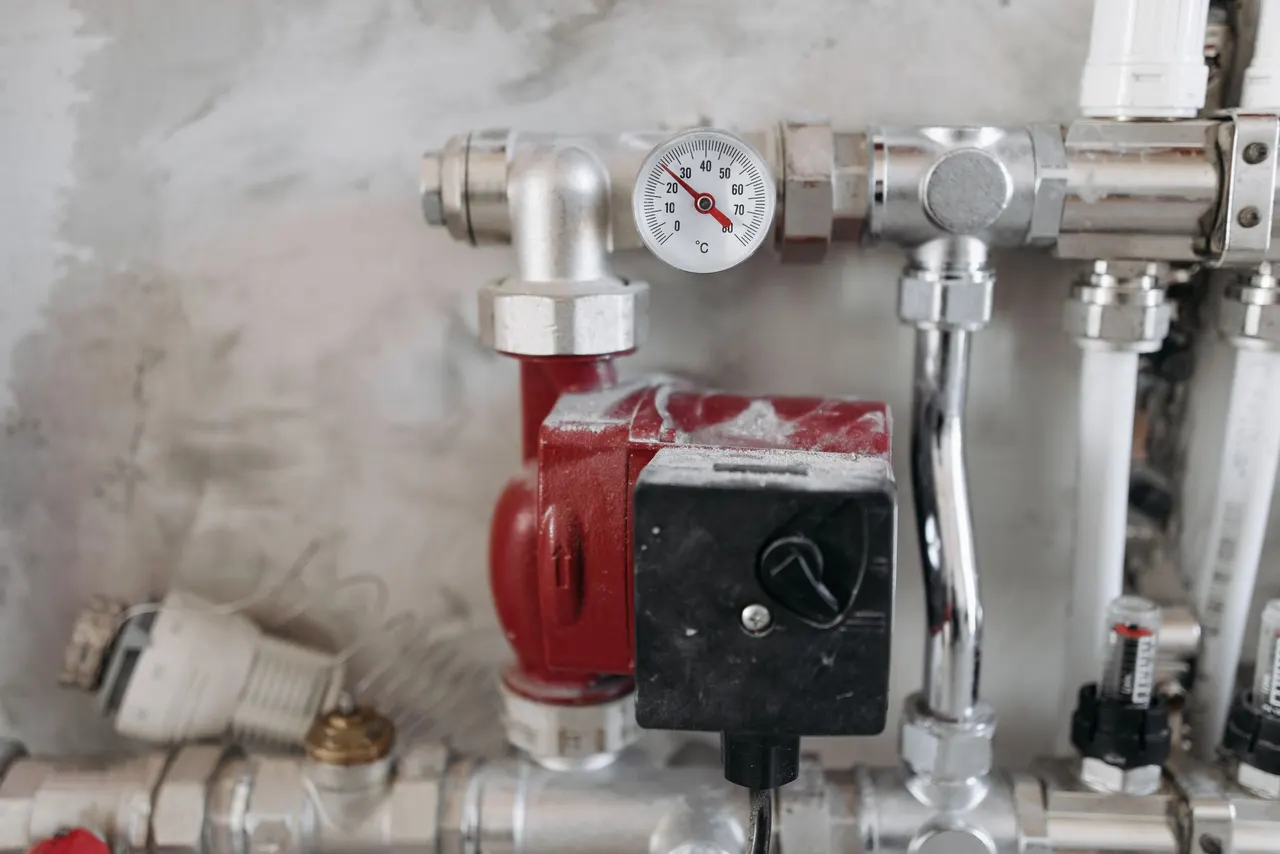
Some Linden homes are better served by a traditional split system. We install both, so our recommendation is based on your house, not on which product we prefer to sell.
View service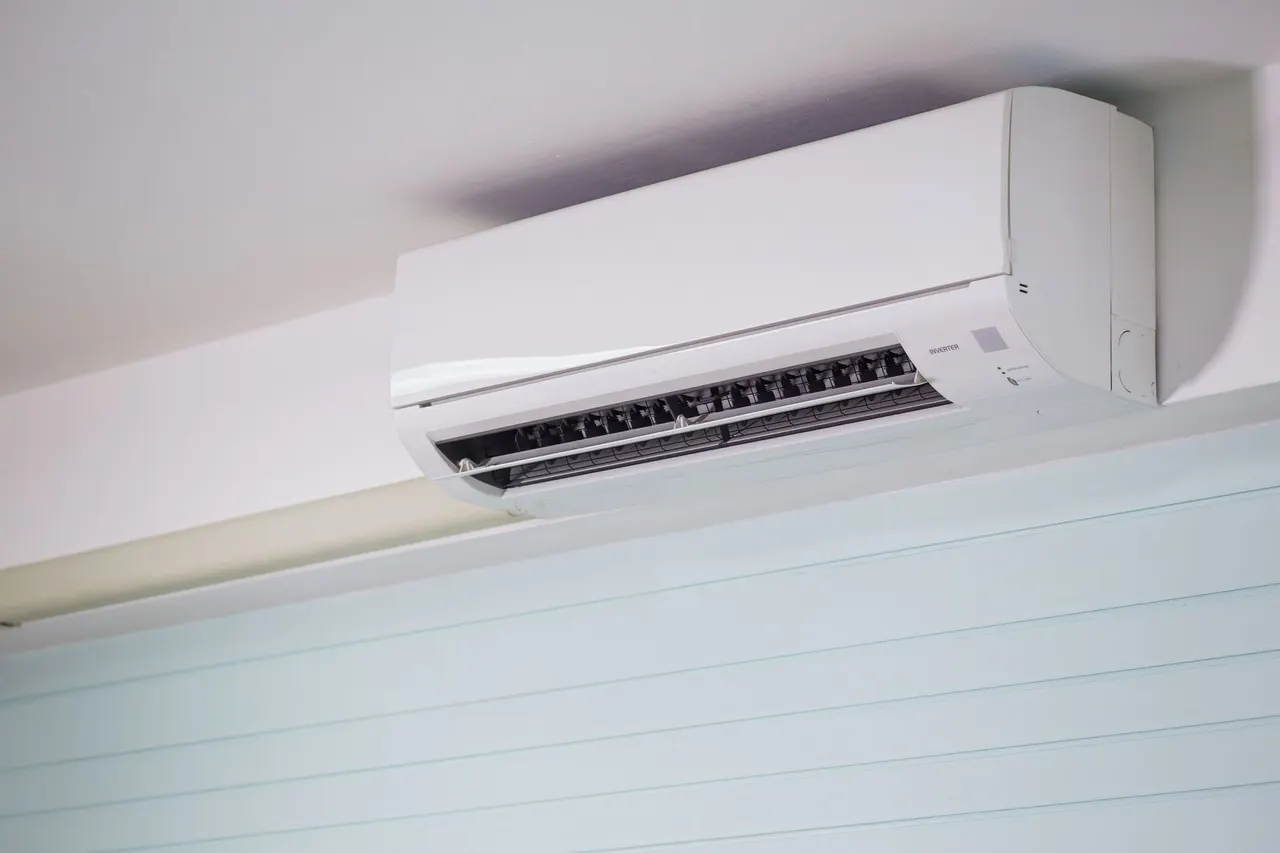
When a 20-year-old condenser finally quits, we haul it out and set a new one. If you are considering a ductless upgrade instead, we will price both options side by side.
View service
Annual tune-ups keep a mini split running at rated efficiency. We clean coils, check refrigerant charge, and clear the condensate drain so you do not get a wet ceiling in August.
View service
Call us at +1 973-929-2540 or email info@hvacserviceslindennj.com. We answer the phone 24/7 for emergencies. For non-emergency service, we can usually schedule a same-day or next-day visit. Our office is in Linden, New Jersey, and we serve all of Union County.