Focused arrival windows
Useful updates and clear arrival timing.
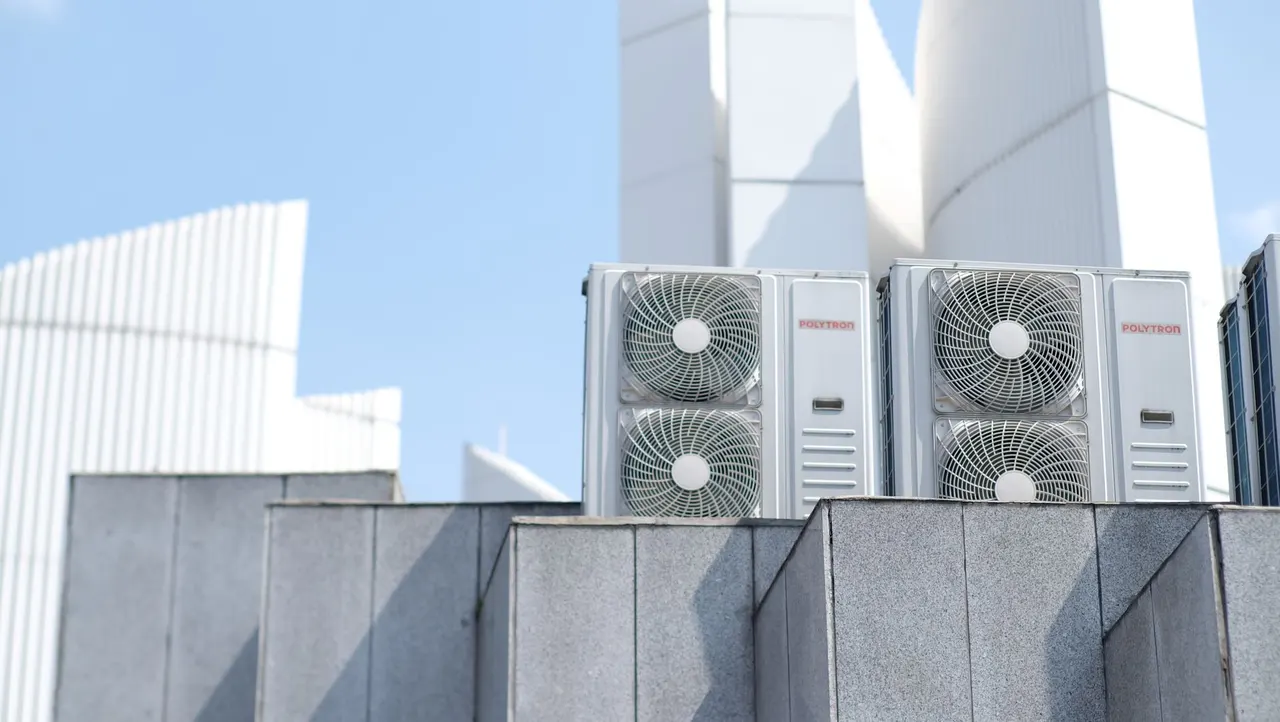
When your heat quits on a January night or your AC dies in a July heat wave, you need HVAC in Union that answers the phone and shows up. We run service trucks through Union Center, Vauxhall and Connecticut Farms every week, carrying the parts that fail most on this town's post-war housing stock. One call gets a licensed tech to your door, and you get a straight price before we start.
Useful updates and clear arrival timing.
Review the approach and price before deciding.
Equipped vehicles and respectful cleanup.
Neighbors serving neighbors with follow-through.
HVAC in Union is the work of keeping heat moving through a town that mixes 1920s colonials with brand-new duplexes, and no two of those buildings fail the same way. Union Center's older two-story homes run on undersized ductwork and 20-year-old condensers; the newer builds near Kean University are sealed tight enough that a badly sized system short-cycles all summer. We size every replacement with ACCA Manual J and check duct design against ACCA Manual D, because guessing at tonnage is how you end up with a frozen AC unit in August. Our techs carry manifold gauge sets, vacuum pumps and refrigerant recovery machines on every truck, so most repairs finish in one visit. Union heating and cooling demand swings hard here: cold winters with heavy heating demand, humid summers, and a tree canopy that drops debris straight into outdoor condensers. We handle it all, from a bad capacitor to a cracked heat exchanger.
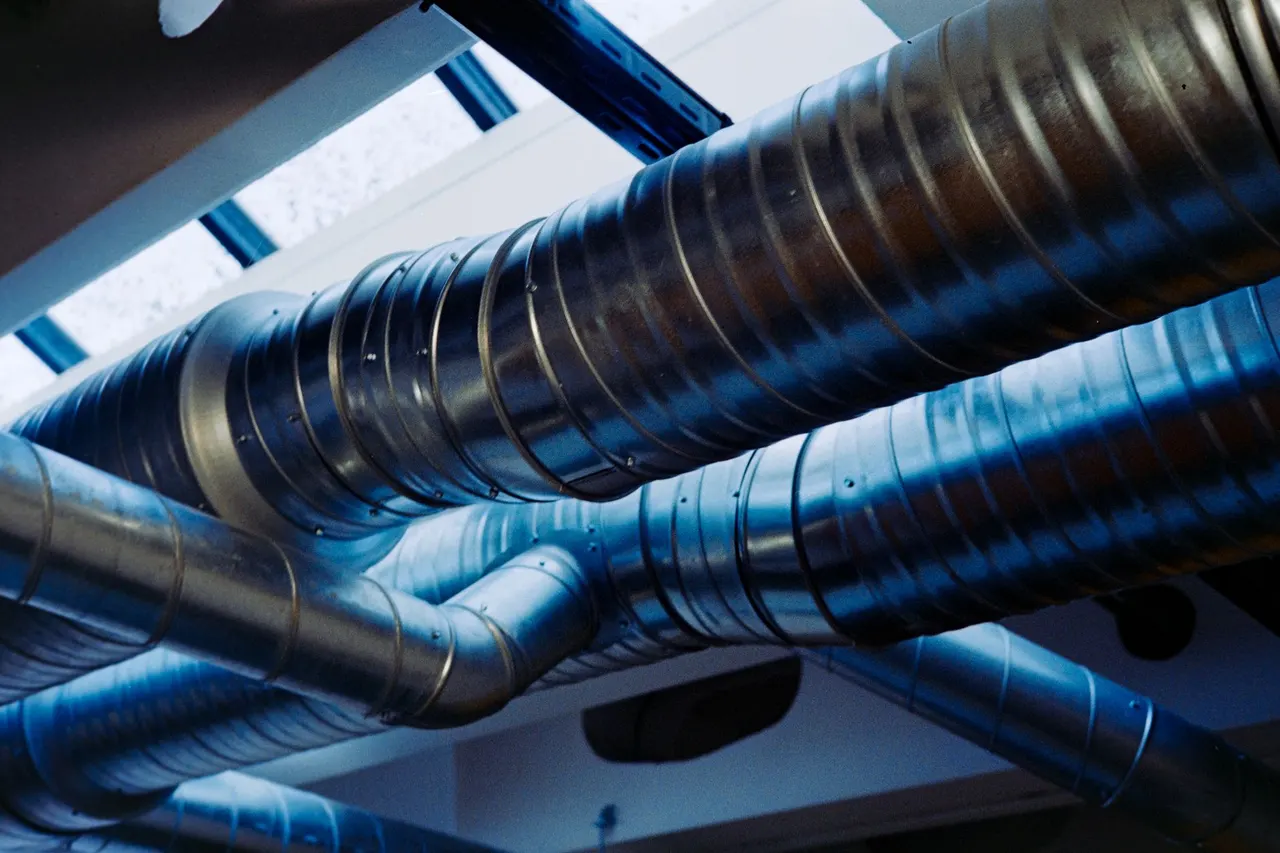
Union's mix of post-war homes and newer builds means we see everything from failed compressors to duct leakage that never got sealed at install. Our trucks roll through 07083 and 07088 daily with the tools to diagnose and fix it on the spot. If you need same-day AC repair Union NJ, call before noon and we will do everything we can to get a tech to you that afternoon.
Union's older homes often run AC systems past their service life, so we diagnose refrigerant leaks, failed compressors and bad capacitors on the first visit. We stock R-410A and R-32 refrigerant and use a leak detector before adding a single ounce. Most AC repairs in Union Center and Vauxhall wrap up in two to four hours.
View service →02New AC installation in Union starts with a load calculation, not a guess. We measure your square footage, window exposure and insulation, then size the unit with ACCA Manual J. For the tight newer builds near Kean University, that prevents the short cycling that kills compressors early. Install day runs six to eight hours for most Union homes.
View service →03When a Union AC unit is 15 years or older and facing a second major repair, replacement usually costs less over five years. We haul away the old condenser, flush or replace the copper line set, and verify the new system holds pressure before we leave. Most Union replacements are done in a single day.
View service →04Union's heavy tree cover drops pollen, seeds and leaf litter straight into outdoor condensers. Our spring tune-up clears that debris, checks the capacitor and contactor, rinses the evaporator coil and tests refrigerant charge. A yearly visit keeps your system efficient and catches small problems before they become August emergencies.
View service →05Many Union homes still rely on window units or a single wall unit. Central air installation gives you even cooling room to room, and we design the duct layout around your existing structure. In older Battle Hill homes, that often means routing sheet metal ductwork through closets or soffits to avoid tearing up plaster.
View service →06Ductless mini-splits solve the problem of rooms that never get comfortable, especially additions and finished basements common in Union. We mount the indoor heads, run the line set, and pressure-test every connection. Mitsubishi Electric and Daikin systems are our most-installed brands here because they handle cold-weather heating well.
View service →07Mini-split problems in Union usually show up as weak airflow, water dripping from the indoor head, or a unit that runs but never heats. We clean clogged condensate drains, check the blower motor, and test the refrigerant charge with a manifold gauge set. Most repairs are finished in one visit.
View service →08Heat pumps make sense in Union because they heat and cool from one system, and modern cold-climate models handle our January lows. We size the unit for your home's actual load, not a rule of thumb, and set the defrost controls correctly. Installation typically takes one to two days depending on whether we reuse existing ductwork.
View service →09A heat pump that blows cold air in heating mode usually points to a reversing valve, a bad defrost board or low refrigerant. We test each component with a multimeter and clamp meter, then confirm the fix before we leave. Union homeowners get a clear explanation of what failed and why.
View service →Union's building stock splits into two problems. The post-war homes around Union Center and Connecticut Farms have original ductwork that leaks 20 to 30 percent of conditioned air, plus undersized returns that starve the system. The newer builds near Kean University are tight enough that an oversized unit short-cycles and never removes humidity. We size every job with ACCA Manual J and check duct design against ACCA Manual D, because the equipment is only half the answer. Township code enforcement requires permits for HVAC replacement, and we pull them so your job passes inspection without a callback. Parking matters too: on the narrow streets off Union Center Plaza we park tight and carry equipment in, and on the Galloping Hill side we plan around golf traffic on weekend mornings. If you need Union NJ furnace repair open now, call and we will give you a real arrival window, not a four-hour guess.
Union's mature trees drop seeds, pollen and leaf litter into condenser coils every spring and fall. A clogged coil raises head pressure, cuts efficiency and eventually kills the compressor. It is one of the most preventable failures we see in town. Our maintenance visits include a full coil rinse and a check of the fan blade and motor. We also show you how to hose the unit down between visits and how much clearance to keep around it so airflow stays open.
Many Union homes built in the post-war years have duct systems sized for older, smaller equipment. When a modern system is installed without checking the ducts, the unit runs hot, airflow drops and rooms never reach the thermostat setting. We measure static pressure and airflow with an anemometer and duct blaster before recommending equipment. If the ducts are the bottleneck, we fix the returns and seal leakage first so the new system can actually perform.
Union winters bring stretches of below-freezing nights, and that is when furnaces and heat pumps fail. Igniters, flame sensors and blower motors take the most abuse during the first hard cold snap of the season. We run fall tune-ups that test every ignition and safety component under load, and we keep common parts on the truck through winter. When a no-heat call comes in, we treat it as priority and get there the same day.
HVAC work in New Jersey requires a licensed contractor, and Union's code enforcement checks it during permit review. Hiring an unlicensed installer can void your warranty and create problems when you sell the house.
Union requires a permit for furnace and AC replacement, and the work must pass inspection. We pull the permit and schedule the inspection, so your project closes out cleanly with the township.
Federal law requires EPA Section 608 certification to handle refrigerants, including R-410A and R-32. Every tech on our trucks holds it, which means your refrigerant work is done legally and safely.
HVAC equipment draws heavy current, and Union inspectors check disconnects, wiring and breaker sizing. We follow NEC standards on every install so the electrical side passes the first time.
Union's climate and housing stock create a predictable set of HVAC problems. Cold winters with heavy heating demand wear out ignition components. Humid summers stress cooling systems and clog condensate drains. And the town's mature tree canopy keeps outdoor units full of debris. Here is what we see most, and how we handle it.
Union's temperature swings from winter to summer expand and contract copper line sets, which works flare and braze joints loose over time. Once refrigerant escapes, the system loses capacity and the compressor runs hotter. We use an electronic leak detector and pressure testing to find the exact leak point, then repair or replace the failed joint. We recharge to the manufacturer's specification and verify the system holds pressure before we leave.
Union's humid summers mean your AC produces a lot of condensate. PVC drain lines collect algae and dust over time, and once they clog, water backs up into the pan and overflows. It is one of the most common calls we get in July and August. We clear the drain, flush the line, and check the pan and float switch. We also show you how to check the drain between visits and recommend a pan treatment to slow algae growth.
Capacitors and contactors take the hardest electrical load during Union's hot summers, and they fail more often on systems that run continuously. A failed capacitor means the compressor or fan motor will not start. We test capacitors and contactors with a multimeter and clamp meter on every diagnostic. We carry the common ratings on the truck, so most of these repairs are done in under two hours.
Union has a lot of furnaces in the 15 to 25-year range, and heat exchangers crack from years of heating cycles. A cracked exchanger can leak carbon monoxide into your home, which makes it a safety issue, not just a comfort one. We inspect the heat exchanger with a combustion analyzer and a visual check on every heating call. If it is cracked, we shut the unit down and walk you through replacement options the same day.
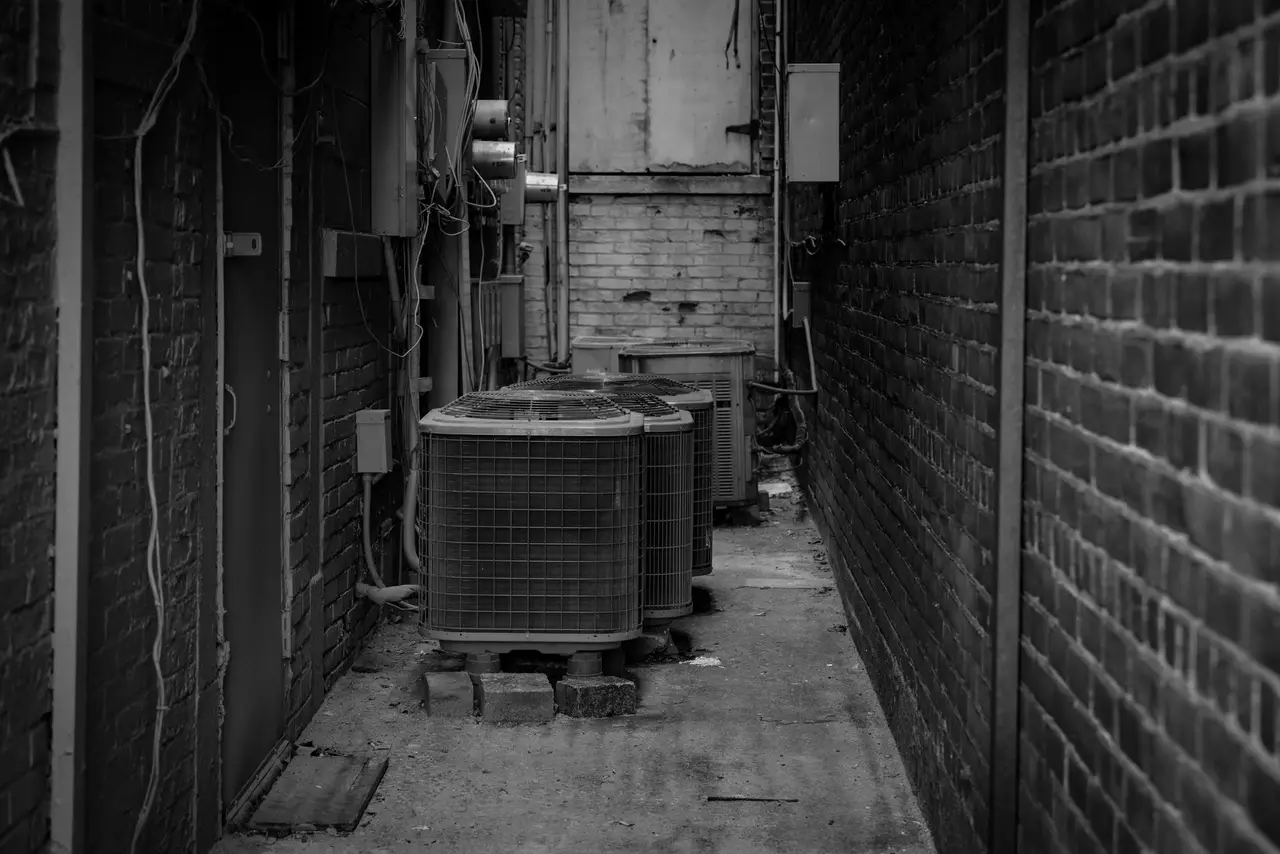
Typical 2026 pricing in Union runs $180 to $450 for most repairs, with common fixes like capacitors, igniters and flame sensors landing at the lower end and refrigerant leak repairs or blower motor replacements at the higher end. Full system replacements usually run $6,500 to $12,000 installed, depending on size, efficiency and whether ductwork needs work. Union's older homes often add cost because we find duct leakage or undersized returns that need correcting for the new equipment to perform. We give you the price before we start, and we do not add charges for the diagnosis if you approve the repair.
A larger Union home needs more tonnage and a bigger furnace, which raises equipment cost. Higher-efficiency units cost more upfront but cut monthly bills, and in a town with cold winters and humid summers the payback is real.
Many Union homes have leaking or undersized ducts. If we find that during a replacement, sealing or resizing the ducts adds to the project but is often what makes the new system actually deliver the comfort you paid for.
A 2 a.m. no-heat call in Union costs more than a scheduled weekday visit because of after-hours labor. We tell you the rate before we dispatch, so there is no surprise when the invoice arrives.
Union is compact, but the routes matter. We plan service calls around Union Train Station commuter traffic in the morning, the Kean University campus flow during the semester, and weekend rounds at Galloping Hill Golf Course. Knowing these patterns keeps our arrival windows honest. When a customer near Union Center Plaza gives us a cross street, we usually know the block before we pull up.
A central orientation point for calls in Union Center. We use it to route around morning and evening commuter traffic and to locate the residential streets that branch off nearby.
The campus anchors the northern part of Union and helps us orient calls in the surrounding residential blocks. We plan around campus traffic during the semester to keep arrival times accurate.
A well-known Union landmark on the eastern side of town. It helps us place calls near the golf course side and plan around weekend morning traffic on the surrounding roads.
A commercial reference point in the center of town. Customers often give it as a cross-reference, and it helps us find the tighter side streets where parking takes planning.
The reservation borders Union on the western side and marks the edge of our service area. It is a useful orientation point for calls on the streets closest to the park boundary.
A commercial district in the center of Union with retail and service businesses along the main corridor. It serves as a central reference point for both customers and our routing.
The Route 22 commercial strip runs along Union's southern edge and connects the township to neighboring towns. It is a main artery our techs use to move between Union and nearby service areas.
A NJ Transit station in Union Center with commuter rail service. It is a useful landmark for orienting calls and planning around peak commuter hours.
A major highway running along Union's southern border. It gives our techs a fast route between Union, Springfield and the surrounding towns.
We run service calls across Union daily, from the older streets near Union Center to the newer construction on the north side. Our techs know which neighborhoods have basements, which have crawl spaces, and which streets are tight for a service truck. That local knowledge saves time on every call.
Union Center mixes older two-story homes with walkable commercial blocks, and many of those houses still run original ductwork. We see a lot of undersized returns and leaking duct joints here, plus AC systems that struggle to cool second floors in July. Minutes from our Linden shop via Morris Avenue, so Union Center calls usually get a same-day slot.
Vauxhall has a dense mix of rentals and owner-occupied homes, and we handle a lot of furnace and AC repairs for both. Landlords here want fast turnaround between tenants, and we keep common parts on the truck to make that happen. Direct route down Route 22, which keeps our arrival window tight even during rush hour.
Connecticut Farms is one of Union's older sections, with post-war homes that have seen several equipment swaps over the decades. We often find mismatched systems here, where the furnace and AC were sized by different contractors at different times. A short run off Stuyvesant Avenue, so we can usually fit these calls into the same day.
Battle Hill's larger homes often have multiple zones and longer duct runs, which makes airflow balance the real challenge. We check static pressure and damper settings here before recommending any equipment change. Easy access from Springfield Avenue, so most Battle Hill service calls are scheduled within a day.
These are the kinds of calls we run in Union every week. Each one shows what the problem looked like, what we found, and what it took to fix it. The details are the point: this is what real HVAC work in Union looks like.
A homeowner in Union Center called in July because the AC ran all day but the house never got below 78 degrees. The unit was also icing up on the indoor coil. We found a refrigerant leak at a flare connection and a dirty evaporator coil restricting airflow. We recovered the remaining R-410A, repaired the flare, replaced the filter drier, cleaned the coil and recharged the system to the manufacturer's spec. Supply air temperature dropped 18 degrees below return air, and the house held 72 degrees on a 95-degree afternoon. The repair took about four hours.
A Vauxhall landlord had a tenant with no heat in January. The furnace would click but never light, and the tenant had been without heat overnight. We diagnosed a failed igniter and a flame sensor coated in carbon. We replaced the igniter, cleaned the sensor, and checked the burners and heat exchanger with a combustion analyzer. We also verified the flue was clear and drafting properly. Heat was restored the same morning, about two hours after arrival. The landlord signed up for annual maintenance on both units in the building.
A Battle Hill homeowner's 19-year-old furnace needed a third repair in two years, and the AC condenser was the same age. The system was also oversized for the ductwork. We ran an ACCA Manual J load calculation and confirmed the original equipment was oversized. We installed a correctly sized Carrier furnace and condenser, sealed leaking duct joints, and added a return to fix the airflow imbalance. The new system holds temperature within one degree across both floors, and the homeowner's summer electric bill dropped noticeably compared to the prior year.
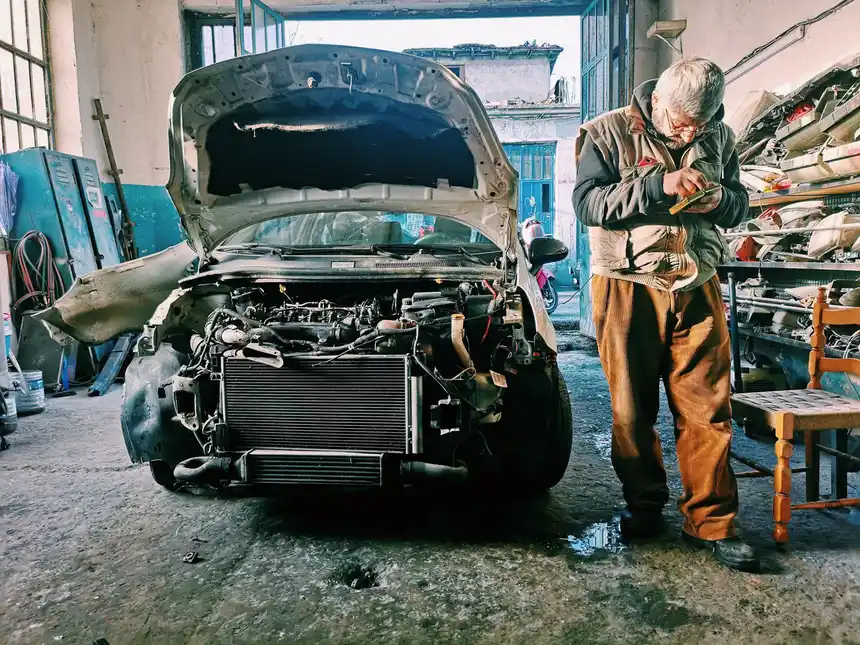
Our AC died on the hottest weekend of the summer and we have a newborn in the house. I called and a tech was at our door in about two hours. He found a bad capacitor and a refrigerant leak, had both parts on the truck, and we had cold air by dinner. He also showed me the readings on his gauges so I understood what was wrong.
Furnace stopped working on a Sunday night in January. They answered the phone at 11 p.m. and had someone out before midnight. Turned out to be a failed igniter. The tech was straightforward, told me the price before starting, and had heat back on in under an hour. I have used them twice since for maintenance.
We had three quotes for a new central air system and these guys were the only ones who actually measured the house and checked our ducts. They found our returns were undersized, fixed that as part of the install, and the upstairs finally cools properly. Install took a full day and they cleaned up everything before leaving.
Union gets four distinct seasons, and each one puts different stress on your system. Winter drives heavy heating demand, summer brings humidity that your AC has to remove, and spring and fall are when maintenance pays off. Planning around these patterns is how you avoid the emergency calls that fill our schedule in January and July.
Spring in Union means pollen and tree debris filling outdoor condenser coils. It is also when we find the damage winter left behind, like cracked heat exchangers and worn blower motors.
Union summers are humid, and that humidity is what makes your AC work hardest. Systems that are low on refrigerant or have dirty coils cannot keep up, and that is when capacitors and compressors fail.
Fall is when Union homeowners switch from cooling to heating, and it is the best time to catch furnace problems before winter. Igniters, flame sensors and blower motors are the parts that fail first.
Union winters bring stretches of below-freezing nights, and that is when heating systems fail. No-heat calls spike during the first hard freeze, and cracked heat exchangers become a real safety concern.
Union sits in the middle of our service area, which means we can reach most of Union County and southern Middlesex County without a long drive. That matters when you need emergency service and every minute of a cold night counts. If you are in a neighboring town, we likely cover you too.
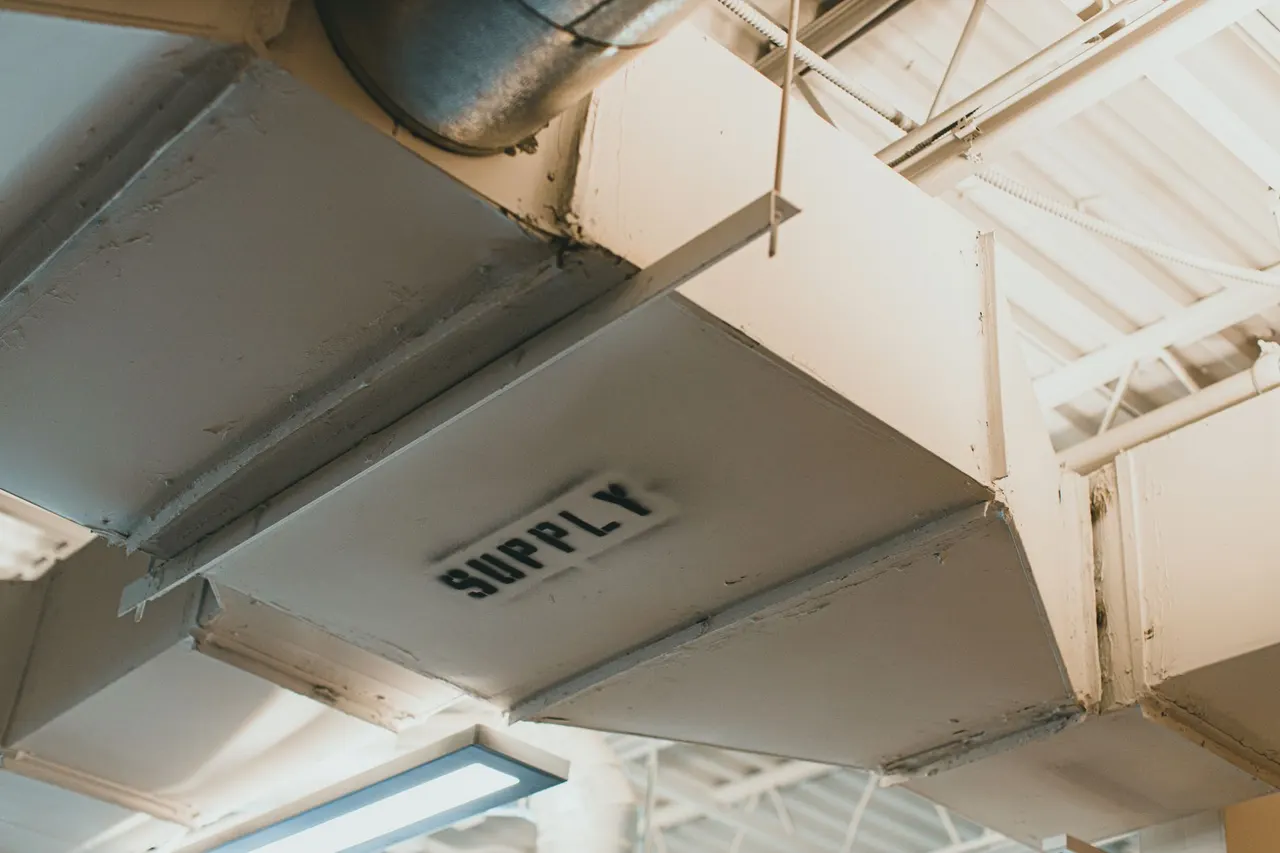
Cranford borders Union to the south, and we run between the two towns regularly. Many of our Union customers first found us through a Cranford neighbor.
Local coverage and details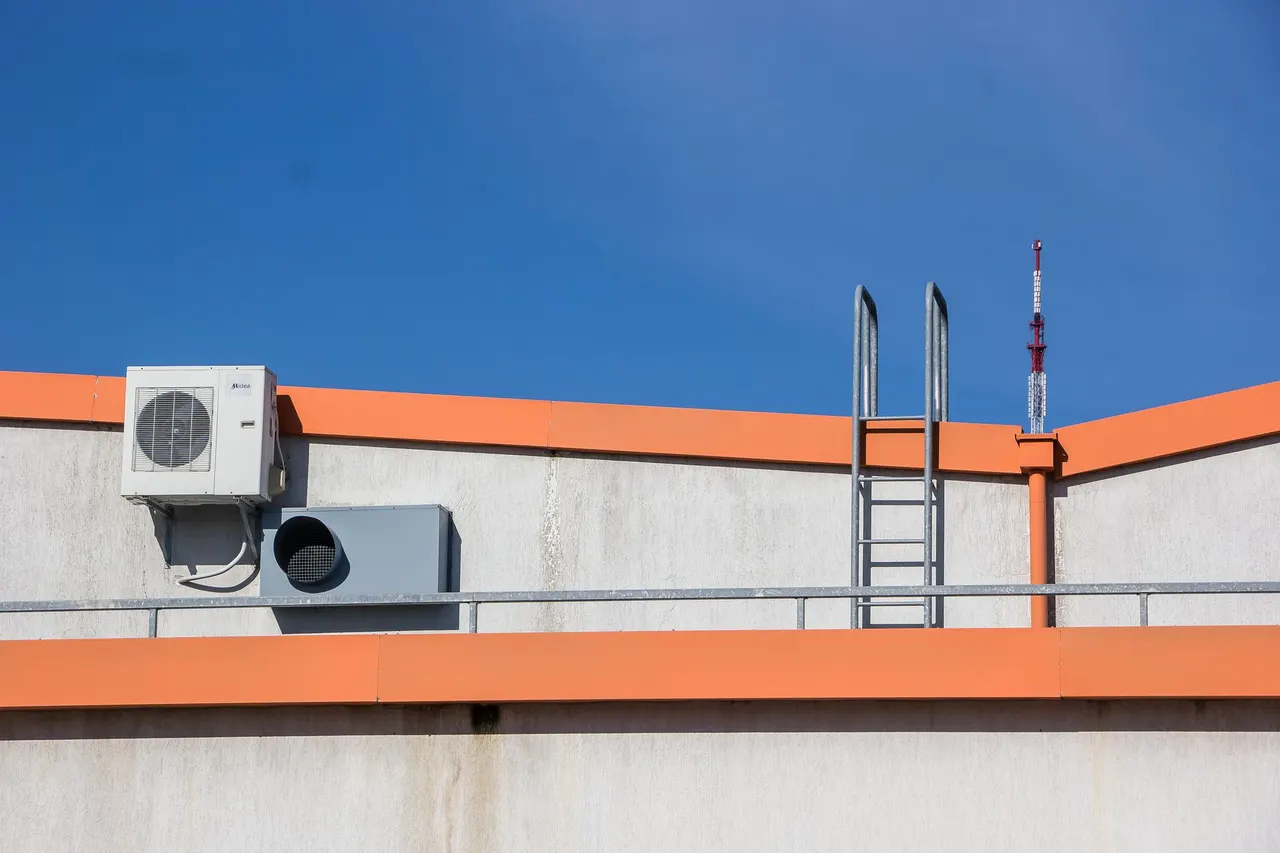
Westfield is a short drive west of Union, and we handle furnace and AC work there on the same routes we run through Union.
Local coverage and details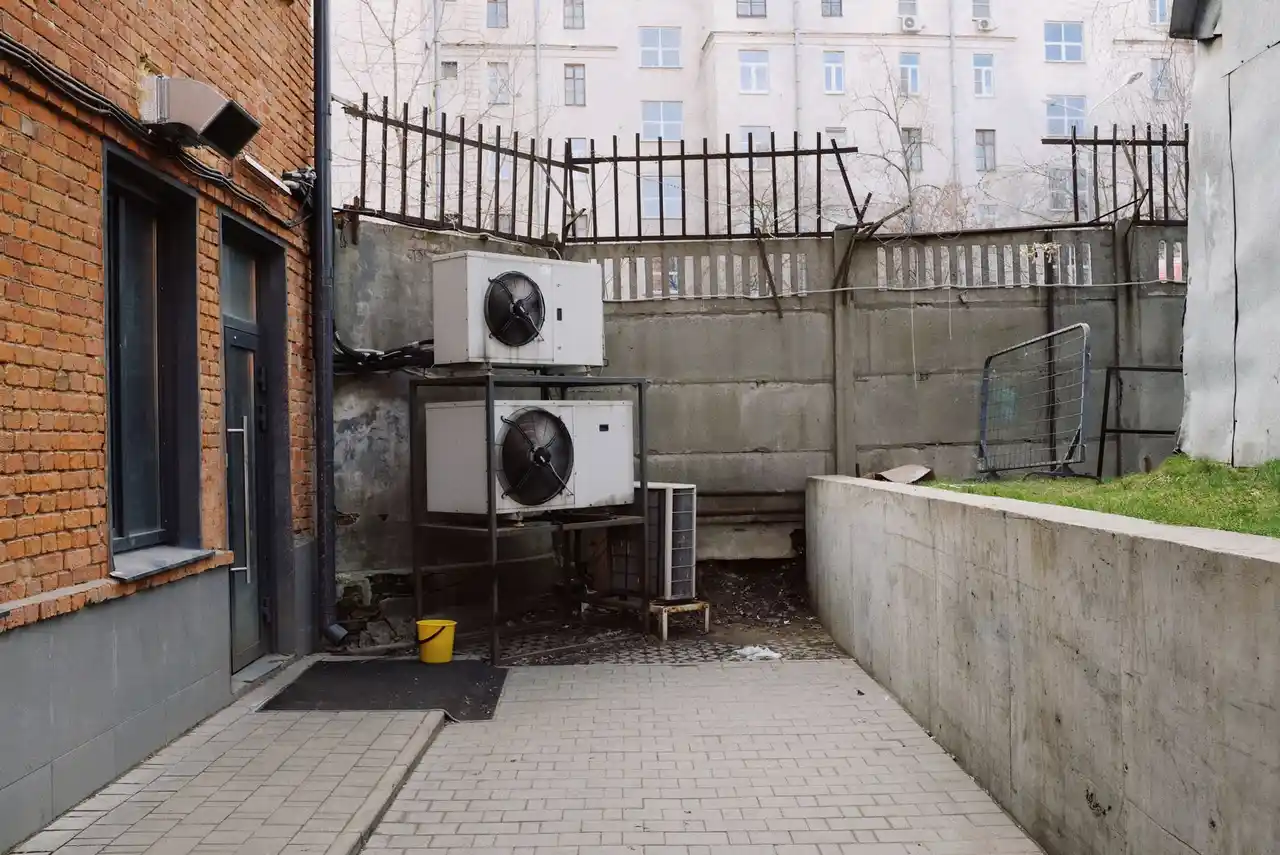
Woodbridge sits southeast of Union and shares our Route 22 and Garden State Parkway access, so service calls there fit easily into our daily routes.
Local coverage and details
Elizabeth is just east of Union and one of our most frequent service areas. The two towns share the same older housing stock and similar HVAC challenges.
Local coverage and detailsUnion has plenty of HVAC contractors to choose from, and the difference between a good one and a bad one shows up six months after the install. These are the questions that separate them. Ask them before you sign anything.
New Jersey requires an HVACR license for this work, and Union's code enforcement checks it during permit review. An unlicensed contractor can void your warranty and leave you with a failed inspection.
Union requires permits for furnace and AC replacement. A contractor who skips the permit is cutting a corner that can cost you at resale. We pull the permit and schedule the inspection as part of the job.
If the answer is square footage alone, walk away. Proper sizing uses an ACCA Manual J load calculation that accounts for insulation, windows and orientation. Oversized systems short-cycle and fail early.
Union's older homes often have leaking or undersized ducts. Installing new equipment on bad ducts means you pay for efficiency you never get. We measure static pressure and airflow before recommending equipment.
Manufacturer warranties cover parts, but labor coverage varies. Ask what is covered and for how long. We stand behind our installs with a labor warranty on top of the manufacturer's parts coverage.
North American Technician Excellence
U.S. Environmental Protection Agency
U.S. Environmental Protection Agency
$2M general liability and full workers' compensation
Member
Member
Most HVAC repairs in Union run $180 to $450 in 2026, with common fixes like capacitors and igniters at the low end and refrigerant leak repairs or blower motors at the high end. Full system replacements typically run $6,500 to $12,000 installed. We give you the price before we start, and the diagnosis fee is waived if you approve the repair.
The best HVAC contractor Union NJ has to offer is the one that sizes your system correctly, pulls the permit, and answers the phone when something breaks. Look for a New Jersey HVACR license, EPA Section 608 certification, and a willingness to run a Manual J load calculation instead of guessing at tonnage. Ask for the price upfront and a labor warranty in writing.
Yes. We run 24/7 emergency HVAC Union NJ coverage for no-heat and no-cool calls, including nights, weekends and holidays. Winter no-heat calls get priority, and during summer heat waves we add evening slots. Call and we will give you a real arrival window, not a four-hour guess.
We install and service Carrier, Trane, Lennox, Goodman, Rheem, York, Mitsubishi Electric, Daikin, Bryant, American Standard, Navien and Bosch. For ductless mini-splits in Union, Mitsubishi Electric and Daikin are our most-installed brands because they handle cold-weather heating well. We service every major brand, including ones we do not sell.
Twice a year: once in spring for the AC and once in fall for the heating system. Union's humid summers and cold winters put real stress on both sides of your system, and a yearly tune-up catches small problems before they become emergencies. Customers on our maintenance plan get priority scheduling when something breaks.
Not seeing your question? Our local team can help you understand urgency, scheduling and what to expect.
Ask the local teamCall us at +1 973-929-2540 or email info@hvacserviceslindennj.com. We answer the phone 24/7 for emergencies. For non-emergency service, we can usually schedule a same-day or next-day visit. Our office is in Linden, New Jersey, and we serve all of Union County.