Focused arrival windows
Useful updates and clear arrival timing.
When your AC blows warm air and the house won't cool down, refrigerant leak repair Linden NJ homeowners can count on starts with finding the actual leak, not just topping off the charge. We serve Union County homes and businesses with electronic leak detection, EPA-certified handling of R-410A and R-32 refrigerant, and repairs built to hold. Call us at +1 973-929-2540.
Useful updates and clear arrival timing.
Review the approach and price before deciding.
Equipped vehicles and respectful cleanup.
Neighbors serving neighbors with follow-through.
Every refrigerant leak repair Linden NJ job includes the full diagnostic, the repair itself, and the recharge. Here's what's covered and what's a separate line item if it comes up.
Manifold gauge readings, superheat and subcooling calculations, clamp meter check on the compressor, and a visual inspection of every accessible joint. We tell you what we find before we quote the repair.
We use an electronic leak detector on every Schrader port, flare fitting, brazed joint, and coil surface. Where the detector is inconclusive, we confirm with UV dye or nitrogen pressure testing. Finding the exact leak point is the whole job.
Schrader cores, flare fittings, line set sections, and evaporator coils are all repairable or replaceable. We use a torch kit, flaring tool, and tube cutter for line work, and we follow EPA Section 608 rules for recovery before opening the circuit.
After the repair, we pull the system down to 500 microns with a vacuum pump and hold it to confirm no moisture or remaining leak. Then we weigh in the exact charge of R-410A or R-32 the nameplate calls for. No guesswork, no charging by feel.
We run the system under load, recheck pressures and temperatures, and confirm the delta-T across the evaporator coil is in range. You get a written summary of what we found, what we fixed, and what to watch going forward.
Share what is happening and receive a clear next step from the local team.
Refrigerant leak repair Linden NJ is the process of locating a breach in the sealed refrigeration circuit of your air conditioner or heat pump, repairing that breach, and restoring the correct refrigerant charge so the system cools properly again. Refrigerant doesn't get consumed like fuel. If your system is low, it leaked. We use manifold gauge sets to read pressures, electronic leak detectors and UV dye to pinpoint the source, then repair or replace the failed component, pull a deep vacuum with a vacuum pump, and weigh in the exact charge your system calls for.
Most Linden homes we visit are running Carrier, Trane, Lennox, Goodman, or Rheem equipment, and many are 10 to 20 years old. Schrader valve cores, flare fittings, and evaporator coils are the usual suspects. If you've been told your system just needs a top-off every spring, that's a leak that never got fixed. Our AC refrigerant leak repair Linden New Jersey service finds the source so you're not paying for refrigerant twice a year. If you've been searching for refrigerant leak repair near me Linden NJ, we're local and we answer the phone.
We start with a manifold gauge set to read suction and liquid pressures, then check superheat and subcooling against the manufacturer's spec. A clamp meter on the compressor tells us how hard it's working. This takes 20 to 30 minutes and tells us whether the system is actually low or if something else is causing the warm air.
We use an electronic leak detector on every joint, Schrader port, and coil, then confirm with UV dye or nitrogen pressure testing where needed. Most leaks turn up at flare fittings, brazed joints, or the evaporator coil. Finding the exact spot is what separates a real repair from a recharge.
Depending on what failed, we replace Schrader cores, re-flare and torque fittings, braze a new section of copper line set, or replace the evaporator coil. We use a torch kit and flaring tool for line work and follow EPA Section 608 rules for handling and recovering refrigerant before opening the circuit.
After the repair, we connect a vacuum pump and pull the system down to 500 microns or lower, then hold it to confirm there's no moisture or remaining leak. Only then do we weigh in the exact charge of R-410A or R-32 the nameplate calls for. This step takes 45 to 90 minutes and is non-negotiable.
We run the system under load for 15 to 20 minutes, recheck pressures and temperatures, and confirm the delta-T across the evaporator coil is in range. You get a written summary of what we found, what we fixed, and what to watch. If anything looks off, we don't leave until it's right.
Reads suction and liquid pressures so we can calculate superheat and subcooling and confirm whether the system is actually low on charge.
Sniffs out refrigerant at joints, Schrader ports, and coil surfaces. Far more sensitive than soap bubbles and fast enough to check every joint in a system.
Pulls the system down to 500 microns or lower after a repair. Skipping this step leaves moisture in the circuit, which forms acid and kills compressors.
Recovers refrigerant before we open the circuit, as required by EPA Section 608. Keeps us legal and keeps refrigerant out of the atmosphere.
Used to braze new copper line set sections and to make clean, correct flares on mini-split and line set connections. A bad flare is a future leak.
Checks compressor amp draw and verifies capacitor and contactor function. Tells us whether the compressor is working too hard because of low charge.
Pressurizes the circuit with dry nitrogen to confirm a repair holds before we evacuate and recharge. The final proof that the leak is actually gone.
Federal law requires refrigerant to be recovered, not vented. We recover the remaining charge into a recovery cylinder before opening any part of the circuit, then handle it according to EPA rules. This is non-negotiable on every job.
Pressure alone doesn't tell you if a system is correctly charged. We calculate superheat at the evaporator and subcooling at the condenser and compare both to the manufacturer's spec. This is how we know the charge is right, not just close.
After a repair, we pull the system down to 500 microns or lower and hold it. If it won't hold, there's still a leak or moisture in the circuit. We don't recharge until it holds. This step is what makes a repair last.
When a repair turns into a replacement conversation, we size the new equipment with ACCA Manual J and evaluate ductwork with ACCA Manual D. Correct sizing prevents the short cycling and premature failure that cause leaks in the first place.
We run a full leak detection, find the source, and quote the repair. If the leak is at a Schrader core or flare fitting, the fix is quick and affordable. If the evaporator coil is leaking on a 12-year-old system, we quote both repair and replacement so you can decide. You either get a repair that holds for years or a clear replacement number. No more guessing every spring.
Both symptoms point to a refrigerant issue. We diagnose the charge, check the reversing valve and defrost board, and locate the leak. Then we repair, evacuate, and recharge to spec. The heat pump runs in both modes without icing or warm-air complaints. You get your winter heat and summer cooling back.
We run a leak detection on the whole system, document what we find, and give you a written repair quote. If the system is older and leaking in multiple spots, we'll tell you honestly whether repair or replacement makes more sense. You know exactly what you're dealing with before you close or move in. No surprises in July.
Oil residue at a flare is a classic leak sign. We recover the remaining charge, re-flare the connection, torque it to spec, pull a vacuum, and recharge with R-410A or R-32 as the unit requires. The mini-split cools like new and the flare holds. Most mini-split leaks we see in Linden are flare-related and fixable in one visit.
Linden sits in Union County with a mix of older housing stock and post-war construction, and that shapes what we see on refrigerant leak calls. Homes built before 1970 often have original or once-replaced copper line sets that have been flexed and stressed for decades. Vibration wears through the copper where it passes through framing, and that's a leak. Newer homes tend to have flare-fitting issues from installs that weren't torqued to spec. Our summers push systems hard from June through September, and a system that's 10% low on charge in May will be 30% low by August. We see a spike in AC refrigerant leak repair Linden New Jersey calls in July and August when systems that were marginal in spring finally quit. If you're searching for Linden NJ refrigerant leak repair open now during a heat wave, call us. We run emergency refrigerant leak repair Linden NJ calls and same-day appointments across ZIP code 07036 and the surrounding towns. Fall is when we catch heat pump leaks before heating season, and spring is when we catch AC leaks before the first hot week. Either way, the fix is the same: find it, repair it, evacuate, recharge, verify.
Older homes near the train station often have original line sets running through finished basements. We check every accessible joint and use electronic detection where the line is concealed.
Newer construction and industrial-adjacent homes. Flare-fitting leaks on mini-splits and newer installs are common here because the equipment is newer but the install quality varies.
Post-war capes and ranches with central air added in the 1990s and 2000s. Evaporator coil leaks are the most common issue we find in this neighborhood.
Homes along the border often have longer line set runs, which means more joints and more potential leak points. We pressure-test the full run, not just the accessible ends.
Long run times accelerate wear on compressors and line sets. A slow leak that would take a year to matter in a mild climate can strand you in one summer here.
Decades of vibration and thermal cycling wear through copper at framing penetrations. We check these spots first on any leak call in pre-1970 homes.
Heat pumps that run in heating mode go through defrost cycles that stress the refrigerant circuit. Leaks that were minor in summer often become obvious in January.
A Linden homeowner was paying $180 every spring to recharge a Carrier system that kept losing charge. The system cooled fine for about four months, then blew warm air by August. Two other companies had told them the system just needed annual recharges.
We found a leaking Schrader core on the suction service port with an electronic detector, replaced it, pulled a vacuum to 480 microns, and recharged with R-410A to the nameplate spec. The system held pressure and cooled to 68 degrees in a 92-degree afternoon test. Total repair was $340.
Maintenance: We recommended a spring pressure check as part of annual AC maintenance. Two years later the charge is still full and the homeowner hasn't paid for a recharge since.
A Cranford homeowner had ice forming on the indoor coil every summer and a system that ran constantly without hitting the setpoint. The electric bill had climbed about $60 a month over two years. The system was 14 years old and had never had a leak test.
We confirmed a formicary corrosion leak on the evaporator coil with UV dye, quoted both repair and replacement, and the homeowner chose coil replacement. We replaced the coil, flushed the line set, pulled a deep vacuum, and recharged with R-410A. The system now hits setpoint in 12 minutes instead of running all day.
Maintenance: We set them up on twice-a-year maintenance with a pressure check each spring. The new coil is under warranty and the system is running at its rated efficiency again.
A heat pump in Rahway was icing up in heating mode and blowing cool air in summer. The homeowner had been told the reversing valve was bad and replacement was the only option. The system was 8 years old.
We found a rubbed copper line set where it passed through a framing penetration, brazed in a new section, pressure-tested with nitrogen, pulled a vacuum to 500 microns, and recharged. The reversing valve was fine. Total repair was $620 versus the $6,800 replacement quote they'd received.
Maintenance: We added a line set isolator at the penetration point to prevent future rubbing. The heat pump has run two full seasons without icing or cooling complaints.
Most refrigerant problems show up as one of these symptoms. Here's what they mean and how we fix them.
The system is running but not cooling. Left alone, the compressor overheats and can fail, turning a $400 repair into a $2,000 replacement. We check pressures, confirm the system is low, then find and repair the leak. After evacuation and recharge, the system cools like it should. Most warm-air calls we run in Linden are leak-related.
Ice blocks airflow and insulates the coil, making the system work harder and eventually starving the compressor of oil return. Running it this way shortens the compressor's life. Ice usually means low charge or restricted airflow. We diagnose both, repair the leak if that's the cause, and check the air filter, blower motor, and evaporator coil for dirt. Then we recharge and verify.
That sound is refrigerant escaping under pressure. It won't fix itself, and every day it runs, more charge is lost and the compressor works harder. We isolate the leak with an electronic detector, repair the failed joint or fitting, pull a vacuum, and recharge. Most hissing leaks we find in Linden are at flare fittings or brazed joints on the line set.
A sealed system doesn't lose refrigerant. If you're paying for a recharge every season, you're paying to refill a leak that's getting worse and slowly killing the compressor. We find the leak, fix it, and end the annual recharge cycle. Our refrigerant leak detection Linden NJ service is designed for exactly this situation. One repair, then no more spring top-offs.
$350 - $1,200 for most repairs; $89 - $149 for diagnosis (credited toward repair)
Honest pricing for refrigerant leak repair in Linden. Most jobs run $350 to $1,200 in 2026 depending on where the leak is and what has to be replaced. Diagnosis is $89 to $149 and gets credited toward the repair if you move forward the same visit. We quote the repair before we start, and if the job turns out simpler than expected, the price drops. No mystery line items, no pressure to replace a system you don't need to replace. If you've been quoted a full system replacement for a leak, get a second opinion. Most leaks are repairable.
A proper repair ends the annual recharge cycle and protects a compressor that costs $1,200 to $2,000 to replace. Spending $400 to $800 now is almost always cheaper than a full system replacement in two years.
A Schrader core or accessible flare fitting is a quick, low-cost repair. An evaporator coil leak requires removing the coil, which takes more labor and often means replacing the coil itself. Location drives most of the price difference.
R-410A and R-32 costs vary, and larger systems hold more refrigerant. A 3-ton system might need 8 to 10 pounds, a 5-ton system 12 to 15. We charge for what the system actually takes, weighed in, not estimated.
Coils in an attic or a tight closet take longer to access than a coil in an open basement. If ductwork or a plenum has to be moved, that adds labor. We tell you upfront if access is going to affect the price.
On a system over 15 years old with multiple leak points or a failing compressor, repair may not be the best money spent. We'll quote both repair and replacement so you can make the call with real numbers.
If the copper line set is rubbed through in multiple spots or has been patched before, replacing a section or the whole run may be the right fix. Line set replacement adds material and labor but prevents repeat leaks.
Standard appointments during business hours are the base rate. Emergency refrigerant leak repair Linden NJ calls on nights, weekends, or holidays carry a dispatch premium. We tell you the number before we roll a truck.
Our AC was blowing warm air for a week and another company just kept adding refrigerant. These guys found a leaking Schrader core in 20 minutes, replaced it, pulled a vacuum, and recharged the system. House was cold by dinner. That was two summers ago and it's still holding. Fair price, no upsell.
Called on a Saturday when our heat pump stopped cooling. Tech showed up same day, found a rubbed copper line set behind the unit, brazed in a new section, and had us back up in about three hours. He showed me the leak with the detector before he fixed it. Honest work.
We'd been paying for a spring recharge for three years. They found the evaporator coil was leaking, gave us a price for the repair and a price for replacement, and let us decide. We did the coil replacement. System runs better than it has in years and the electric bill dropped about $40 a month.
Most refrigerant leak repair jobs in Linden run $350 to $1,200 in 2026, depending on where the leak is and what has to be replaced. A Schrader core or flare fitting repair sits at the low end. An evaporator coil replacement pushes toward the top. Diagnosis is $89 to $149 and gets credited toward the repair if you move forward the same visit. We give you the number before we start.
Most repairs take two to four hours from arrival to final test. A simple Schrader core or flare fix can wrap in 90 minutes. Evaporator coil replacement is a four to six hour job because the coil has to come out and the system has to be evacuated and recharged afterward. We tell you the expected window when we schedule, and we call if anything changes.
The most common causes we see in Linden are vibration-worn copper line sets, failed Schrader valve cores, loose or cracked flare fittings, and formicary corrosion on evaporator coils. Older systems with R-22 or early R-410A equipment tend to leak at brazed joints. Newer installs often leak at flare connections if they weren't torqued to spec. A dirty evaporator coil can also accelerate corrosion.
The clearest signs are warm air from the vents, ice on the indoor coil or suction line, hissing or bubbling near the outdoor unit, and a system that runs constantly without hitting the setpoint. If you've had refrigerant added two seasons in a row, you have a leak. Call us for refrigerant leak detection Linden NJ and we'll confirm it with electronic tools, not guesswork.
Not seeing your question? Our local team can help you understand urgency, scheduling and what to expect.
Ask the local team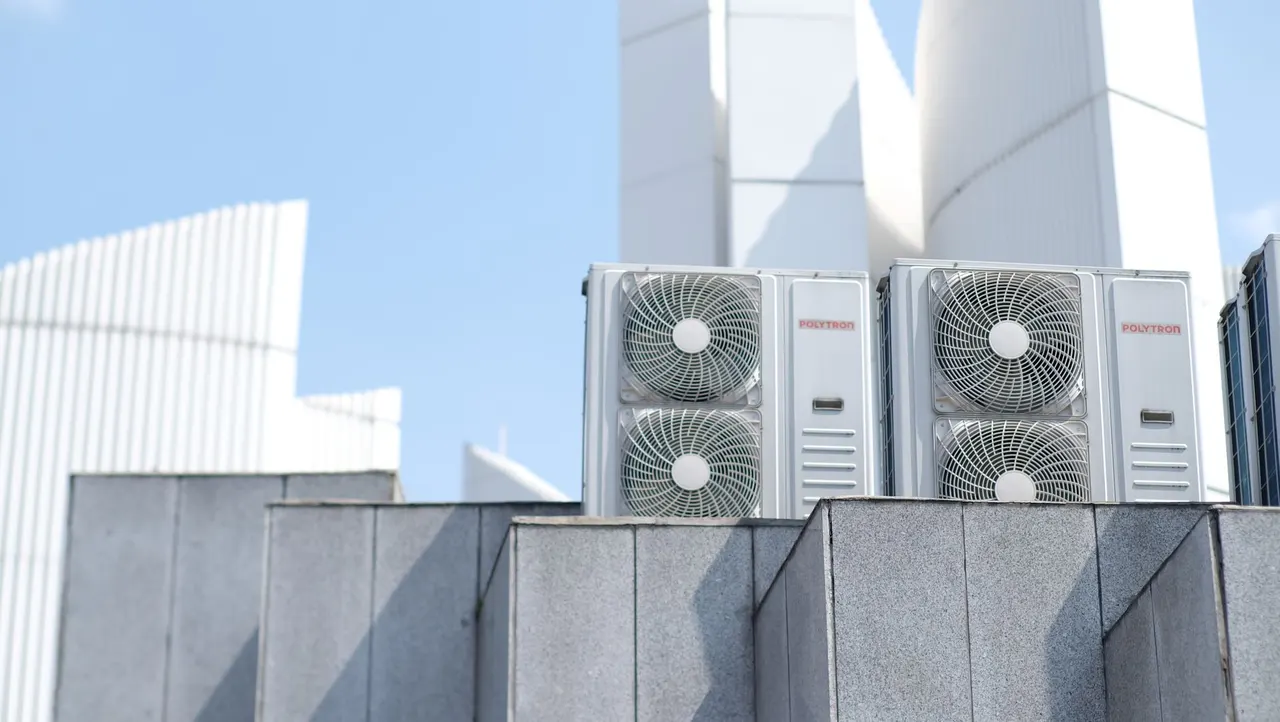
When your AC won't cool, the cause isn't always a leak. Our AC repair service in Linden covers capacitors, contactors, blower motors, and thermostat issues. We diagnose the whole system so you're not paying for a recharge you didn't need.
View service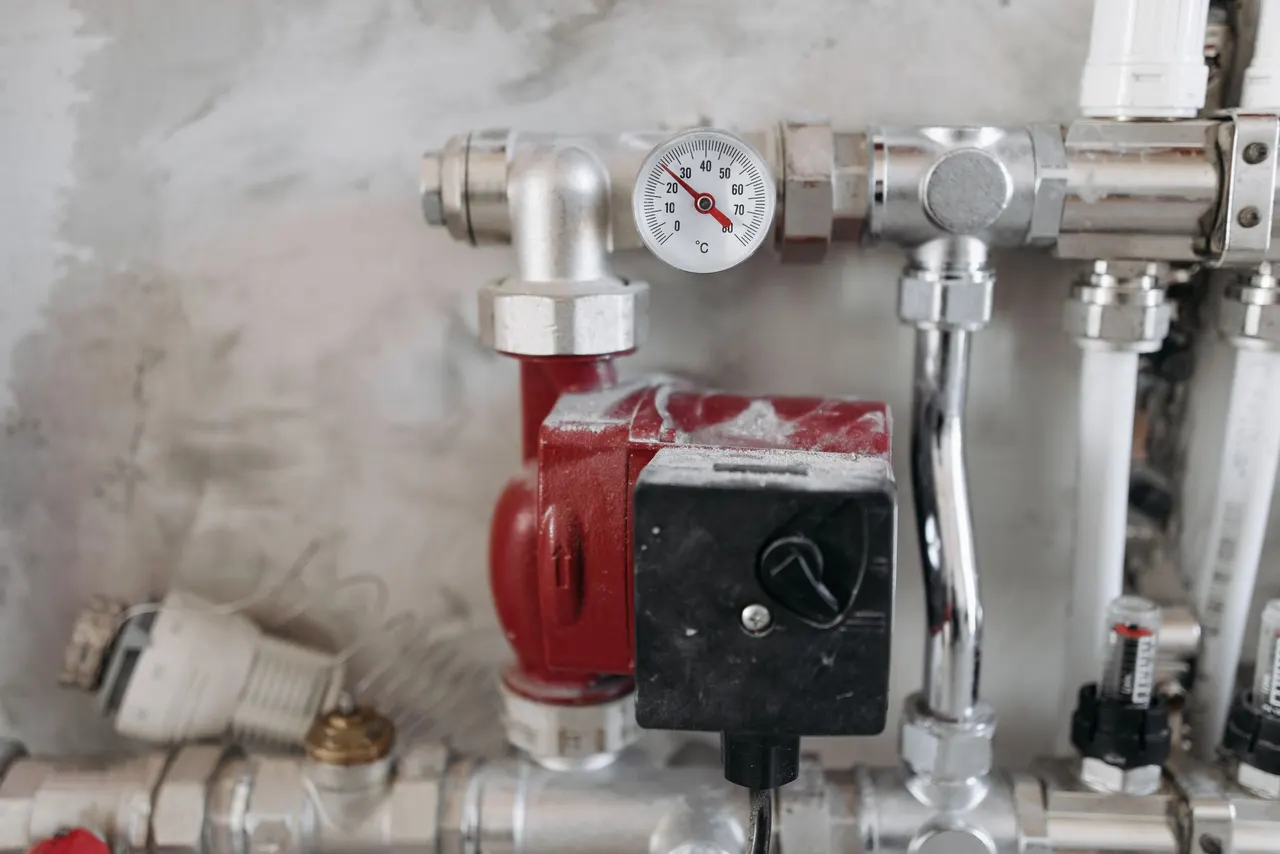
If your system is more than 15 years old and leaking from multiple points, replacement often costs less than repeated repairs. We install Carrier, Trane, Lennox, and Goodman systems sized with ACCA Manual J so the new unit fits your Linden home correctly.
View service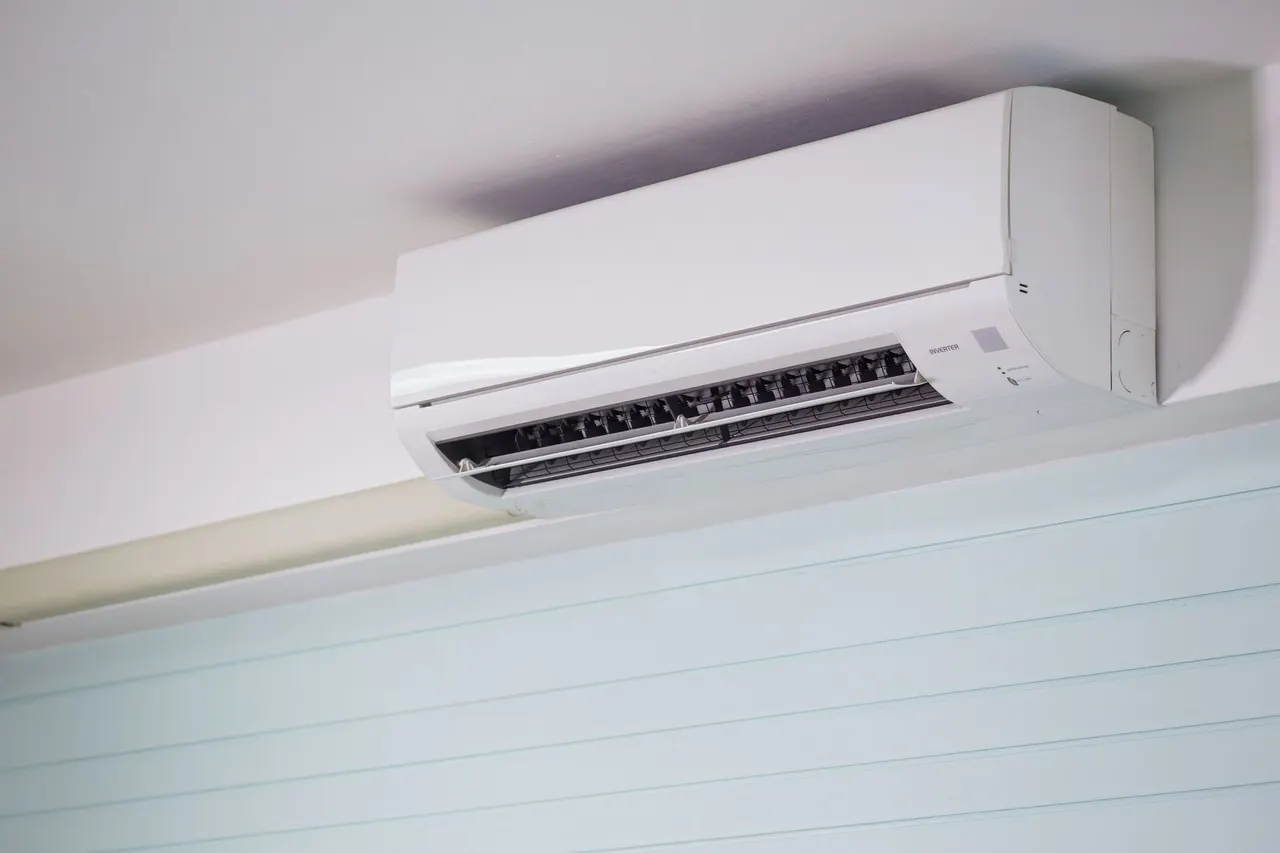
A failed compressor after years of low refrigerant usually means replacement, not repair. We handle full AC replacement in Linden, including line set flush, new pad, and permit. Most jobs are done in one day with the old unit hauled away.
View service
Annual tune-ups catch small leaks before they strand you in July. Our AC maintenance visits include pressure checks, coil cleaning, and a capacitor and contactor inspection. Linden customers on our maintenance plan get priority scheduling when something fails.
View service
Call us at +1 973-929-2540 or email info@hvacserviceslindennj.com. We answer the phone 24/7 for emergencies. For non-emergency service, we can usually schedule a same-day or next-day visit. Our office is in Linden, New Jersey, and we serve all of Union County.