Focused arrival windows
Useful updates and clear arrival timing.
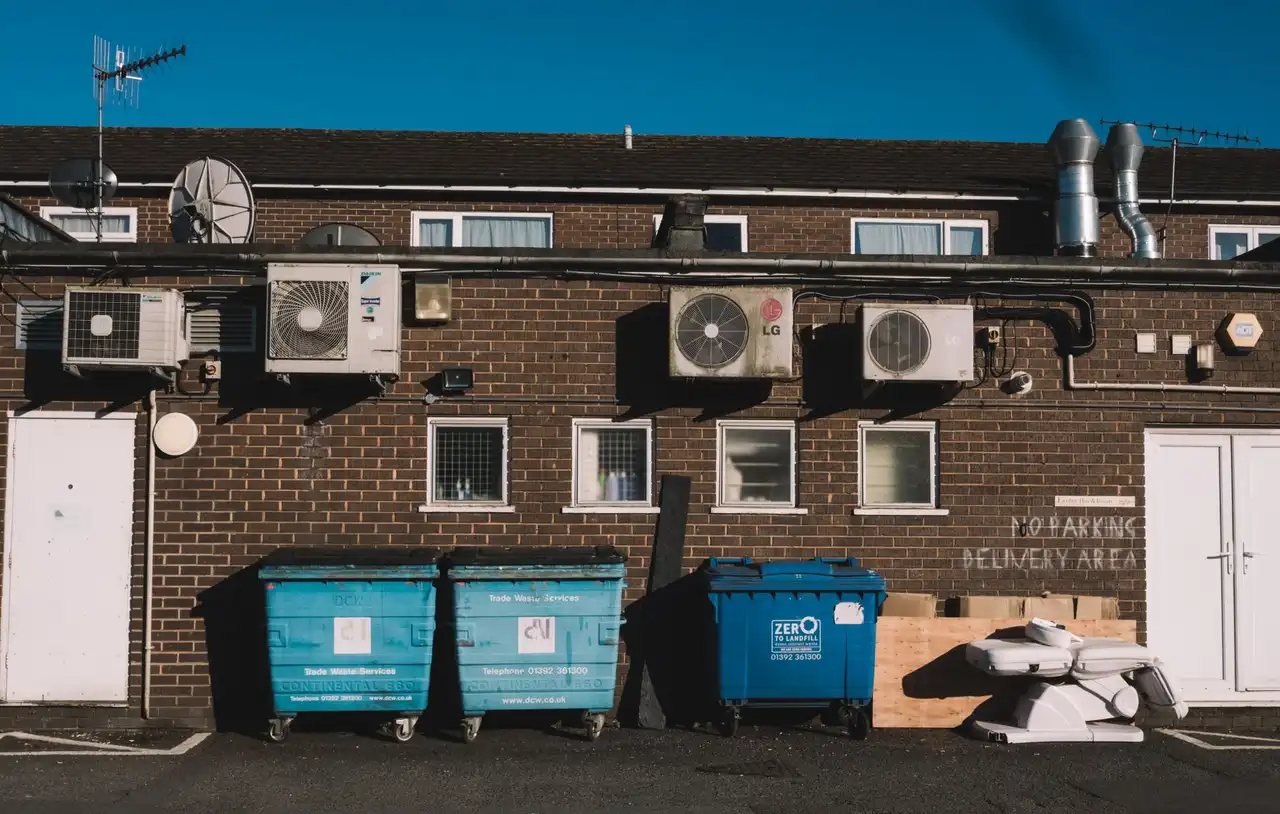
When your heat quits on a January night or your AC freezes up in July, you need HVAC in Westfield that answers the phone and shows up. We run AC repair, furnace service, heat pump work and full system replacement across Westfield, NJ, from Downtown to Stoneleigh. Our techs carry the tools to diagnose on the first visit, so you get a straight answer and a working system, not a return trip.
Useful updates and clear arrival timing.
Review the approach and price before deciding.
Equipped vehicles and respectful cleanup.
Neighbors serving neighbors with follow-through.
HVAC in Westfield is not a one-size job. This town runs on large historic homes with original plaster walls, finished attics and additions that never got their own ductwork. We work those houses every week, and we know what they need: zoned systems, careful load calculations, and techs who won't tear up trim to run a line set. From the big Victorians near Mindowaskin Park to the newer builds off Stoneleigh, we size equipment with ACCA Manual J and design ductwork to ACCA Manual D so the rooms actually heat evenly. Westfield heating and cooling also means handling cold snaps that push furnaces hard from November through March, plus humid summers that stress condensers under the shade of mature street trees. We carry R-410A and R-32 refrigerant, manifold gauge sets, vacuum pumps and recovery machines on every truck, so refrigerant leak repair and capacitor swaps happen on the spot. If you've searched HVAC repair near me Westfield NJ and gotten nothing but call centers, we're the local crew that picks up.

Every service we run in Westfield is built for the housing stock here: older homes with zoned systems, newer builds with tight envelopes, and everything in between. Whether you need same-day AC repair Westfield NJ or a full furnace replacement before the first hard freeze, we handle it with the right tools and the right permits. Here's what we do across 07090 and 07091.
When your AC quits in July, we diagnose fast. Common Westfield calls include failed capacitors, dirty evaporator coils and refrigerant leaks in older R-410A systems. We carry manifold gauge sets, leak detectors and clamp meters on every truck, so most repairs finish in one visit. We test the system under load before we leave.
View service →02New AC installs in Westfield usually mean matching a modern condenser to ductwork that was sized decades ago. We run ACCA Manual J load calculations first, then set the line set, PVC condensate drain and thermostat wire cleanly. Historic homes near Downtown Westfield often need custom line routing to avoid damaging original trim.
View service →03A 20-year-old condenser in Brightwood or Manor Park is usually costing more in repairs than it's worth. We replace the outdoor unit, evaporator coil and often the line set together, then verify airflow with an anemometer. You get a system that cools evenly and a warranty that actually covers the parts we installed.
View service →04Westfield's tree-lined streets drop leaf debris and pollen into condensers every spring. Our tune-ups clean the coil, check refrigerant charge, test capacitors and contactors, and flush the condensate drain. We recommend service each spring before the first 90-degree week, and we leave you a written report of what we found.
View service →05Central air in Westfield's older homes takes planning. We design ductwork with ACCA Manual D, seal joints with mastic, and insulate runs with fiberglass duct insulation. For homes in Stoneleigh with finished basements, we often route supply trunks through soffits to keep ceiling height intact. Every install gets a duct blaster test before we call it done.
View service →06Mini-splits solve the rooms central air can't reach: converted attics, sunrooms and additions across Fairview and Brightwood. We install Mitsubishi Electric and Daikin heads with proper line set covers and condensate routing. Most single-zone installs take one day, and we commission the system with a vacuum pump and micron gauge.
View service →07Mini-split problems in Westfield usually show up as weak airflow, water dripping from a wall head, or a unit that won't heat in winter. We clean blower wheels, clear condensate lines, check refrigerant charge with a manifold gauge set, and test the control board. Most repairs finish same-day because we stock common parts.
View service →08Heat pumps make sense in Westfield because our winters are cold but not brutal. We install Carrier, Trane and Bosch cold-climate heat pumps sized with a Manual J load calculation. We set the defrost controls properly and verify auxiliary heat staging so the system doesn't lean on backup strips all January. Most installs take one to two days.
View service →09When a heat pump blows cold air in heating mode, the culprit is often a reversing valve, a bad defrost board or low refrigerant. We diagnose with a multimeter and manifold gauge set, then repair on the spot when parts allow. Westfield homeowners on heat pumps get priority during cold snaps because we know how fast a house cools down.
View service →Westfield is a permit town, and we pull them. HVAC work here falls under the New Jersey HVACR License and local code, and we follow NEC Electrical Code for every disconnect and thermostat wire run. In older homes near Westfield Memorial Library and Downtown Westfield, that means planning line set routes before we cut anything, and often fishing wire through plaster walls instead of tearing them open. Parking matters too. On streets near Westfield Train Station, we stage the truck so we're not blocking driveways during commuter hours. For homes in Stoneleigh and Manor Park, we schedule installs early so we're not running a vacuum pump at 9 p.m. If you've been searching for a Westfield NJ furnace repair open now, call us. We keep our schedule tight and our trucks stocked with capacitors, contactors, igniters and common blower motors so most jobs finish the same day.
Homes in Downtown Westfield and Brightwood often have radiators or baseboard heat and no duct system. Adding central air means designing ductwork from scratch, which takes more planning and often means using soffits, closets or attic chases to route supply trunks without damaging original plaster and trim. We start with an ACCA Manual J load calculation and a walkthrough to find viable chases. Then we design with Manual D, seal every joint with mastic, and insulate with fiberglass duct insulation. For homes where ductwork truly won't fit, we recommend ductless mini-splits instead of forcing a bad install.
Westfield's mature street trees drop leaves, seeds and pollen into outdoor condenser coils every spring and fall. A clogged coil raises head pressure, cuts efficiency and can trip the system on a hot day. We see this most often in Fairview and along streets near Mindowaskin Park. Our spring AC tune-ups include a full coil cleaning and a check of the fan blade and motor. We also show homeowners how to rinse the coil from the inside out with a garden hose between visits. If the coil is too far gone, we quote a replacement before summer hits.
Westfield winters push furnaces and heat pumps hard from December through February. Undersized systems run constantly, which wears out igniters, flame sensors and blower motors faster. We see a spike in no-heat calls during the first real cold week each year. We check temperature rise and static pressure on every heating tune-up. If a system is undersized or the ductwork is restrictive, we tell you before it fails. For heat pumps, we verify auxiliary heat staging so the system isn't leaning on backup strips all winter. Emergency calls get priority dispatch.
All HVAC work in Westfield must be performed by or under the supervision of a licensed HVACR contractor. We hold the license and pull permits for installs and replacements. That protects you at resale and ensures the work meets state code.
Every AC disconnect, furnace circuit and thermostat wire run in Westfield must meet NEC standards. We size breakers and wire correctly, install proper disconnects, and ground equipment. Bad electrical work is a common cause of compressor and control board failures.
Westfield permits for HVAC replacement generally require a load calculation. We run Manual J for sizing and Manual D for duct design on every install. It's the difference between a system that heats evenly and one that short-cycles and leaves rooms cold.
Westfield's housing stock and climate create a predictable set of HVAC problems. Older homes have zoned systems and ductwork that was sized for a different era. Cold winters stress heating equipment. Humid summers and tree debris stress cooling equipment. Here are the four issues we see most often and how we handle them.
Many Westfield homes still run R-410A systems installed 10 to 15 years ago. Over time, vibration and formicary corrosion cause pinhole leaks in evaporator coils and line sets. A system that needs refrigerant every year has a leak, not a low charge. We find the leak with an electronic leak detector and a nitrogen pressure test instead of just topping off the charge. Then we repair the coil or line set, replace the filter drier, pull a deep vacuum, and recharge by weight. Fixing the leak saves you money every season.
Westfield summers are humid, and AC systems pull a lot of water out of the air. That water runs through a PVC condensate drain that can grow algae and clog. When it backs up, the float switch should shut the system off, but not every system has one. Water damage follows. We flush the drain line on every maintenance visit and install a float switch if your system doesn't have one. If your drain is already clogged, we clear it, check the drain pan for cracks, and verify the slope is correct so water flows out instead of pooling.
Westfield's summer heat pushes condensers hard. Capacitors and contactors are the weakest electrical parts in the system, and they fail most often on the hottest days. A failed capacitor means the compressor or fan won't start, and the system just hums or does nothing. We carry capacitors and contactors on every truck, so most failures get fixed on the first visit. We also check the amp draw on the compressor and fan motor to make sure the new capacitor isn't masking a bigger problem. If the compressor is failing, we tell you straight.
Many Westfield furnaces are 15 to 25 years old. Years of heating cycles cause the heat exchanger metal to expand and contract until it cracks. A cracked heat exchanger can leak carbon monoxide into your home. It's a safety issue, not just a comfort issue. We inspect the heat exchanger on every heating tune-up with a combustion analyzer and a visual check. If we find a crack, we shut the system down and quote a replacement. We never patch a cracked heat exchanger. If you smell something odd when the heat runs, call us before you run it again.
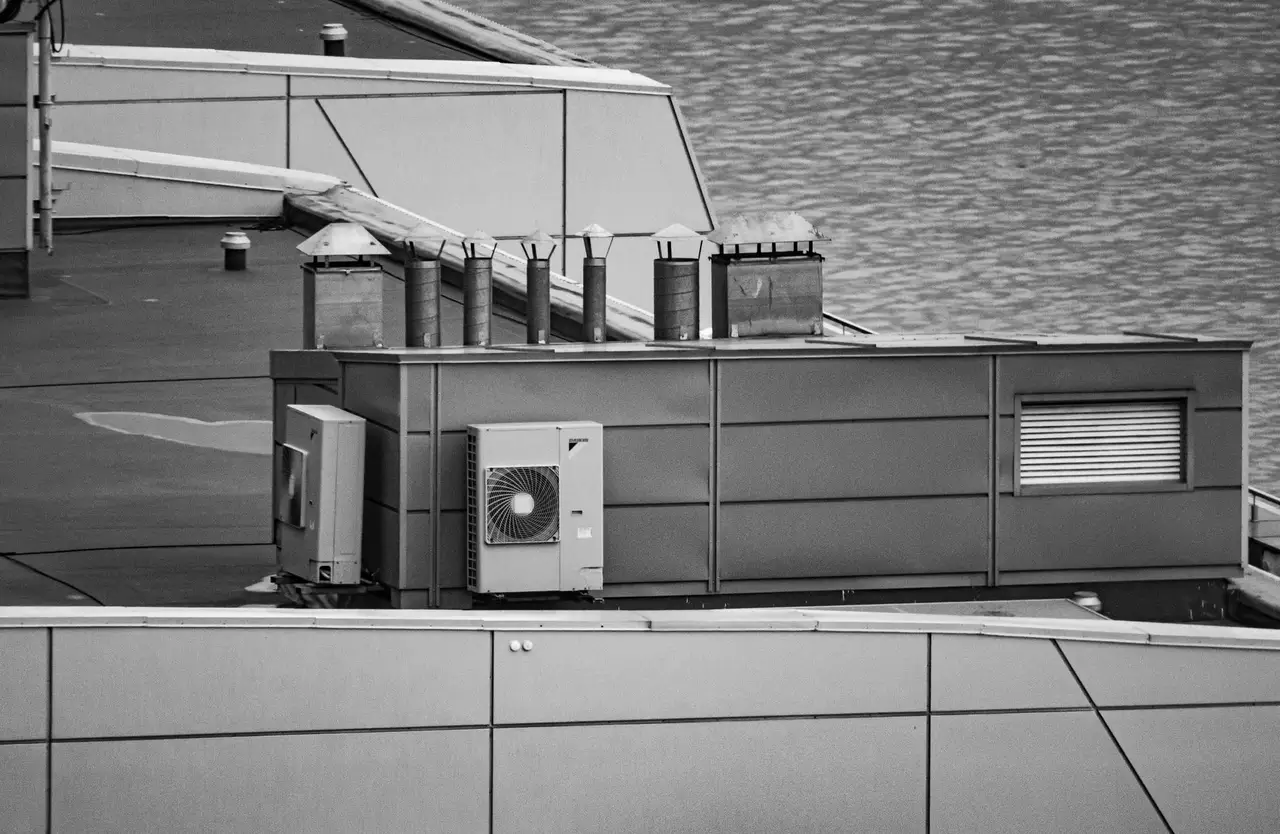
Typical 2026 pricing for HVAC work in Westfield runs from about $180 for a diagnostic and minor repair up to $12,000 or more for a full system replacement with ductwork. Most AC repairs land between $250 and $850. Furnace repairs usually run $200 to $700. A standard AC replacement in a Westfield home is typically $5,500 to $9,500 installed, and a furnace replacement runs $4,500 to $8,000. Heat pump installs run higher because of the equipment cost and the controls. What pushes a job toward the top of the range is ductwork. Older homes in Downtown Westfield and Brightwood often need new duct runs, sealing or a full Manual D redesign, and that adds labor and materials. We give you a flat price before we start, and we don't add charges for the diagnostic if you approve the repair.
A 2-ton AC in a smaller Westfield home costs less than a 4-ton system in a larger Stoneleigh house. Higher-efficiency equipment with two-stage or variable-speed compressors costs more upfront but cuts energy bills. We quote both options so you can see the payback.
Older homes in Downtown Westfield and Fairview often have undersized or leaky ductwork. If we need to run new ducts, seal joints with mastic, or add returns, that adds labor. We inspect the duct system before quoting so there are no surprises.
A no-heat call at 2 a.m. in January costs more than a scheduled repair because of after-hours labor rates. We tell you the rate before we dispatch. If you can wait until morning, a standard appointment saves you money.
Westfield is easy to navigate once you know the landmarks. We use Westfield Train Station as our anchor for Downtown calls, Mindowaskin Park as the reference point for the streets around it, and Westfield Memorial Library for the blocks just north. Echo Lake Country Club helps us orient on the west side of town. When we're routing a service day, we group calls by these landmarks so we're not crisscrossing town. If you're near the Lord & Taylor Building, we know exactly where to park and which entrance to use.
A central reference point for Downtown Westfield. We use it to orient service calls on the surrounding streets and to plan parking around commuter hours, since driveways and street spots fill up fast on weekday mornings.
A well-known park in central Westfield. We use it as a reference point for the residential streets around it, many of which have older homes with zoned heating and mature trees that drop debris into condenser coils.
A landmark on the north side of town. We use it to orient calls in the surrounding residential blocks, where older homes often need ductwork planning before a central air or heat pump install.
A reference point on the west side of Westfield. We use it to orient calls in the surrounding neighborhoods, where larger homes often have multiple heating zones and heat pump systems that need proper staging.
A recognizable building in Downtown Westfield. We use it as a landmark for commercial and residential calls in the surrounding blocks, and it helps us give accurate arrival windows to customers in that area.
Westfield's central business district runs along the streets near Westfield Train Station and the Lord & Taylor Building. It includes retail storefronts, restaurants and professional offices, many in older buildings with rooftop or split-system HVAC equipment.
A commercial corridor in Westfield with a mix of retail, service businesses and professional offices. Many of these buildings run packaged rooftop units or split systems that need regular maintenance and occasional emergency repair.
A NJ Transit station in Downtown Westfield. We plan service calls around commuter parking patterns so our truck doesn't block driveways or access during peak hours.
A main east-west route through Westfield. We use it to move between neighborhoods quickly and to reach calls in Cranford, Garwood and points east.
We run service routes through every corner of Westfield, from the historic blocks near Downtown to the larger lots in Stoneleigh. Each neighborhood has its own housing stock and its own HVAC quirks, and we know them. Here's a look at where we work most often.
Downtown Westfield mixes historic homes with newer condos and commercial spaces near the Lord & Taylor Building. Older houses here often have zoned heating and no ductwork, so we do a lot of ductless mini-split installs and heat pump conversions. Parking near Westfield Train Station requires planning. We schedule Downtown calls outside commuter rush and stage the truck to avoid blocking driveways.
Brightwood's tree-lined streets and older homes mean leaf debris in condensers every fall and furnaces that have been running for decades. We see a lot of furnace replacements here, plus AC repairs on systems that were sized for a smaller house before an addition went on. Brightwood is a quick run from our Linden base, usually under 15 minutes outside peak traffic.
Manor Park has larger homes with multiple heating zones and finished basements. We handle a lot of zoned system work here, plus heat pump installs for homeowners upgrading from older oil or gas furnaces. Ductwork in these homes often needs sealing before a new system goes in. Manor Park is a regular stop on our Westfield route, so scheduling is usually flexible.
Stoneleigh's larger lots and newer builds often have heat pumps and high-efficiency furnaces. We do maintenance plans here because the systems are worth protecting. When something fails, it's usually a capacitor, a control board or a refrigerant leak in a line set that ran through a finished space. Stoneleigh is a straightforward run from Linden via Route 28, usually 15 to 20 minutes.
These are real jobs we've run in Westfield recently. They show what we see most often here: older homes with zoned systems, heat pumps that need proper staging, and AC systems that fail because of a leak nobody found. Every job below finished with the customer's system running and a clear explanation of what failed.
A homeowner in Brightwood had a 22-year-old furnace that short-cycled and left the second floor cold all winter. Two other companies quoted a full replacement without checking the ductwork. We ran a Manual J load calculation and found the furnace was oversized for the duct system. We replaced it with a properly sized two-stage furnace, sealed the duct joints with mastic, and added a return in the second-floor hallway. We also installed a new thermostat with staging controls. The second floor now heats evenly, and the homeowner's January gas bill dropped about 18 percent compared to the prior year. The system runs in low stage most of the time, which cuts wear on the blower motor.
A family in Stoneleigh had a heat pump that blew cold air in heating mode and ran auxiliary heat constantly. Their electric bills spiked in December and January. We diagnosed a failed reversing valve and a defrost board that wasn't initiating defrost cycles. We replaced both, checked the refrigerant charge with a manifold gauge set, and verified the auxiliary heat staging was set correctly. We also cleaned the outdoor coil. The heat pump now heats in heat pump mode down to about 25 degrees before auxiliary heat kicks in. The homeowner's January electric bill dropped by roughly $140 compared to the prior year.
A homeowner near Mindowaskin Park had an AC system that ran constantly but never cooled the house below 78 degrees. A previous company had added refrigerant twice without finding a leak. We used an electronic leak detector and a nitrogen pressure test to find a pinhole leak in the evaporator coil. We recovered the R-410A with a recovery machine, replaced the coil and filter drier, pulled a deep vacuum with a vacuum pump, and recharged by weight. The system now cools the house to 72 degrees on a 95-degree day and runs about half as long per cycle. The homeowner avoided a full system replacement and got a warranty on the new coil.
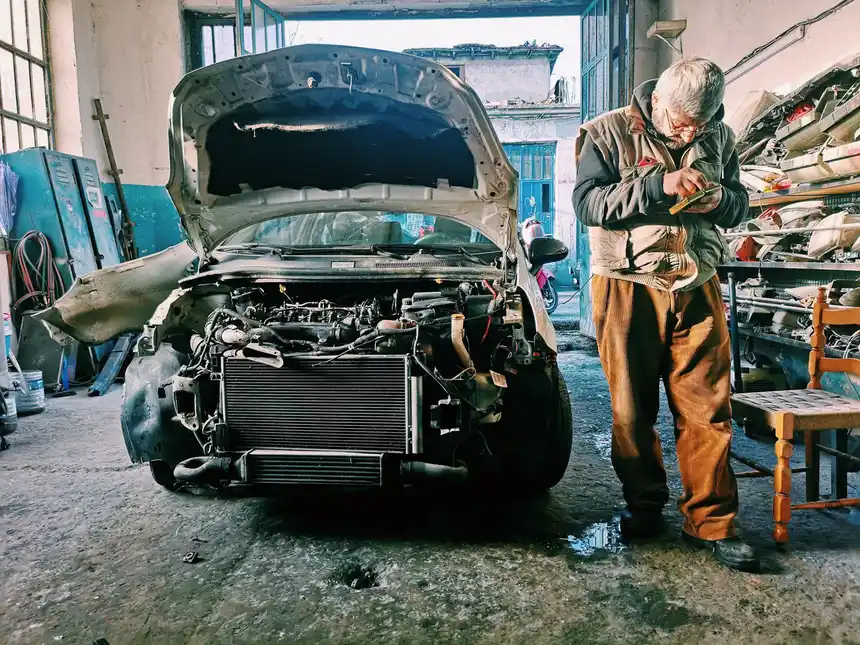
Our furnace died on a Sunday night in January. I called and a real person answered, not a call center. The tech was at our house in Manor Park within two hours, diagnosed a failed igniter, and had the part on his truck. We had heat back the same night. He also checked the heat exchanger and showed me the readings. Straightforward and no upsell.
We needed a ductless mini-split for a converted attic in our Brightwood home. The installer planned the line set route carefully so we didn't lose any closet space, and the unit was running the same day. He walked me through the remote settings and showed me how to clean the filter. Quiet, efficient, and the attic is finally usable in summer.
Our AC stopped cooling in July and another company told us we needed a whole new system. I got a second opinion from these guys. They found a refrigerant leak in the evaporator coil, replaced it, and recharged the system. That was two summers ago and it's still cooling fine. Saved us thousands. Honest diagnosis and clean work.
Westfield gets four real seasons, and each one puts different demands on your HVAC system. Spring is for cleaning up after pollen and leaves. Summer is for keeping the AC running through humid heat. Fall is for getting the furnace ready before the first cold night. Winter is for surviving the cold snaps. Here's what to expect and what to do each season.
Pollen and leaf debris from Westfield's tree-lined streets clog condenser coils. AC systems that sat idle all winter often have weak capacitors or low refrigerant. This is the season when we see the first wave of AC repair calls.
Westfield summers are humid, which means your AC is pulling gallons of water out of the air every day. Condensate drains clog, capacitors fail, and systems that were marginal in spring quit entirely. Emergency AC calls spike in July and August.
The first cold nights in Westfield arrive in October and November. Furnaces that sat idle all summer often fail on the first cold call: dirty flame sensors, faulty igniters, cracked heat exchangers. Leaf debris also clogs condensers one last time before winter.
Westfield winters push heating systems hard from December through February. No-heat calls spike during cold snaps. Heat pumps lean on auxiliary heat, which drives up electric bills. Frozen condensate lines and failed blower motors are common.
Westfield sits in the middle of our service region, which means we can reach most of Union County and parts of Middlesex County without a long drive. If you're in one of the towns below, we cover you on the same routes we run through Westfield. Same techs, same trucks, same response times.
Cranford borders Westfield to the east. We run calls there on the same routes as our Westfield service days, usually within 15 minutes.
Local coverage and details
Woodbridge is southeast of Westfield via Route 28 and the Garden State Parkway. We cover it on our southern Union County routes.
Local coverage and details
Elizabeth is east of Westfield and part of our core service area. We handle both residential and light commercial HVAC calls there.
Local coverage and details
Edison is south of Westfield in Middlesex County. We schedule Edison calls on our southern routes, usually same-day or next-day.
Local coverage and detailsNot every HVAC contractor in Westfield does the same quality of work. Some cut corners on permits, skip load calculations, or sell you equipment you don't need. Before you hire anyone, ask these five questions. The answers tell you whether you're getting a licensed, code-correct job or a cheap install that fails in three years.
HVAC work in Westfield requires a New Jersey HVACR License. If a contractor isn't licensed, the work may fail inspection and you may have trouble at resale. Insurance matters too. If a tech gets hurt on your property, you don't want to be on the hook.
Westfield requires permits for HVAC replacements and new installs. A contractor who skips the permit is cutting corners. Permits mean the work gets inspected, which protects you. If they say a permit isn't needed, call someone else.
ACCA Manual J is the standard for sizing HVAC equipment. A contractor who sizes by square footage alone will likely install the wrong system. Oversized equipment short-cycles and wears out fast. Undersized equipment never keeps up. Ask to see the calculation.
Manufacturer warranties cover parts, but labor is often separate. Ask how long the labor warranty runs and what it covers. A contractor who stands behind their work will give you a clear answer. Get it in writing before you sign anything.
Westfield winters and summers both produce emergencies. Ask whether the company offers 24/7 service, whether they charge after-hours rates, and how fast they can get to you. A company that dispatches from Linden can usually reach Westfield in 15 to 20 minutes.
North American Technician Excellence
U.S. Environmental Protection Agency
U.S. Environmental Protection Agency
Air-Conditioning, Heating, and Refrigeration Institute
$2M general liability and full workers' compensation
Member
Member
Member
Most HVAC service calls in Westfield run $180 to $450 for a diagnostic and repair, depending on the part and labor. AC repairs typically land between $250 and $850. Furnace repairs run $200 to $700. Full system replacements range from $4,500 for a furnace up to $12,000 or more for a complete HVAC install with ductwork. We give you a flat price before we start.
The best HVAC contractor in Westfield NJ is the one who pulls permits, runs a Manual J load calculation before sizing equipment, and stands behind the work with a written warranty. Ask any company you're considering those three questions. We hold a New Jersey HVACR License, pull permits on every install, and give you a flat price before we start.
Yes. We run 24/7 emergency HVAC Westfield NJ coverage for no-heat and no-cool calls. A real person answers the phone, not a call center. Our techs carry common parts like capacitors, igniters and contactors, so most emergencies get fixed on the first visit. Call +1 973-929-2540 any hour and we'll dispatch.
We install and service Carrier, Trane, Lennox, Goodman, Rheem, York, Mitsubishi Electric, Daikin, Bryant, American Standard, Navien and Bosch equipment. For heat pumps, we recommend cold-climate models from Carrier, Trane and Bosch. For ductless mini-splits, Mitsubishi Electric and Daikin are our go-to brands. We service all major brands, even ones we don't install.
Service your HVAC twice a year in Westfield: once in spring for the AC and once in fall for the heating system. Westfield's humid summers and cold winters put real stress on equipment, and an annual tune-up catches small problems before they become breakdowns. If you have a heat pump, we service it in both seasons during one visit.
Not seeing your question? Our local team can help you understand urgency, scheduling and what to expect.
Ask the local teamCall us at +1 973-929-2540 or email info@hvacserviceslindennj.com. We answer the phone 24/7 for emergencies. For non-emergency service, we can usually schedule a same-day or next-day visit. Our office is in Linden, New Jersey, and we serve all of Union County.