Focused arrival windows
Useful updates and clear arrival timing.
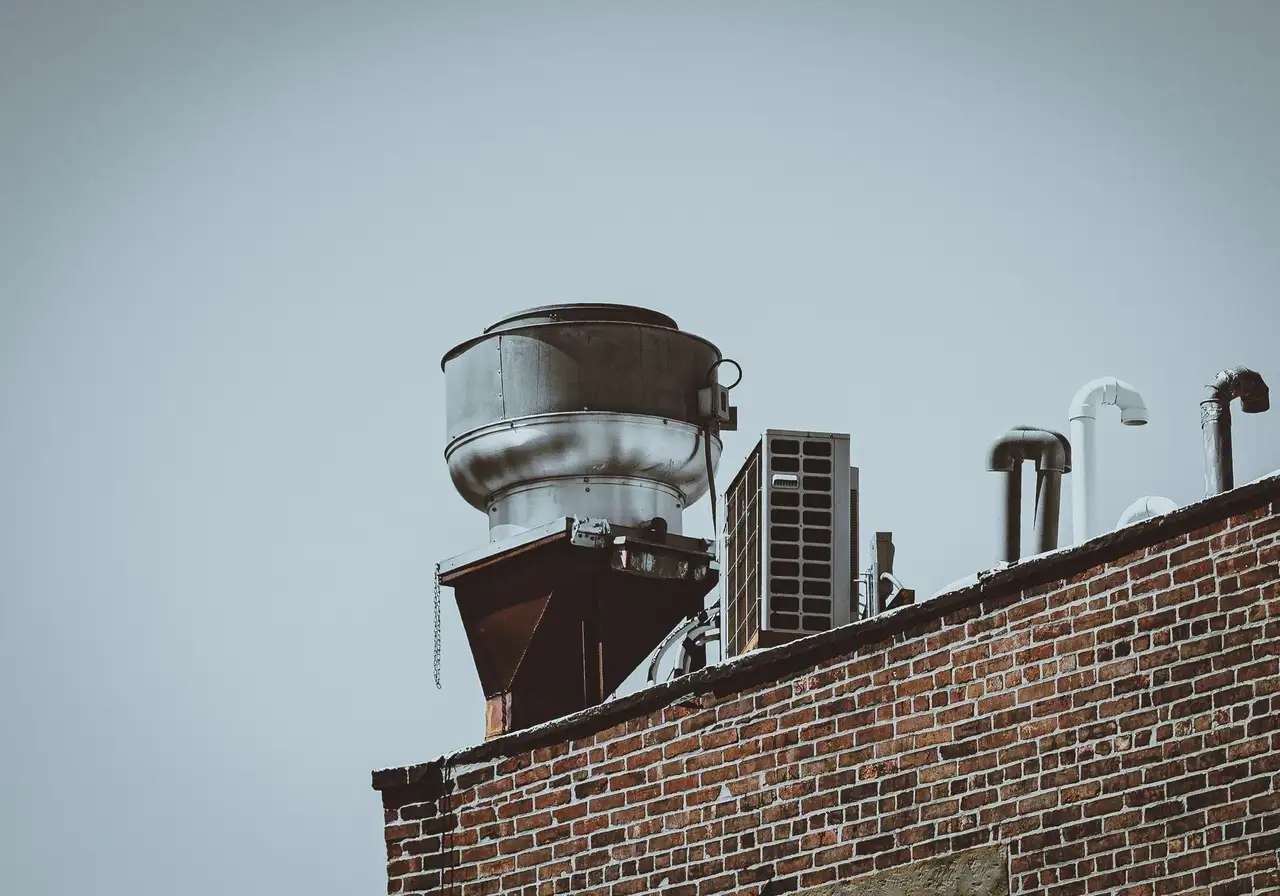
When your old furnace quits or your AC can't keep up, HVAC Installation in Linden from our team means a properly sized system, clean ductwork, and a thermostat you can actually program. We handle permits, haul away the old equipment, and test every connection before we leave. Call today for a same-day estimate.
Useful updates and clear arrival timing.
Review the approach and price before deciding.
Equipped vehicles and respectful cleanup.
Neighbors serving neighbors with follow-through.
Every installation includes the equipment, labor, permits, and testing needed to get your system running to code. We list what's covered so you can compare quotes accurately. If your job needs duct modification or electrical upgrades, we quote that separately before we start, not after.
New condenser, evaporator coil, furnace or air handler, copper line set, PVC condensate drain, thermostat wire, and a fresh air filter. We use AHRI-matched combinations so your warranty stays valid.
We pull the mechanical permit from Linden and schedule the inspection. You don't fill out forms or take time off work. The inspector signs off on our work, not yours.
An ACCA Manual J calculation determines the correct tonnage for your home. We also check duct size against ACCA Manual D so the system gets the airflow it needs to perform.
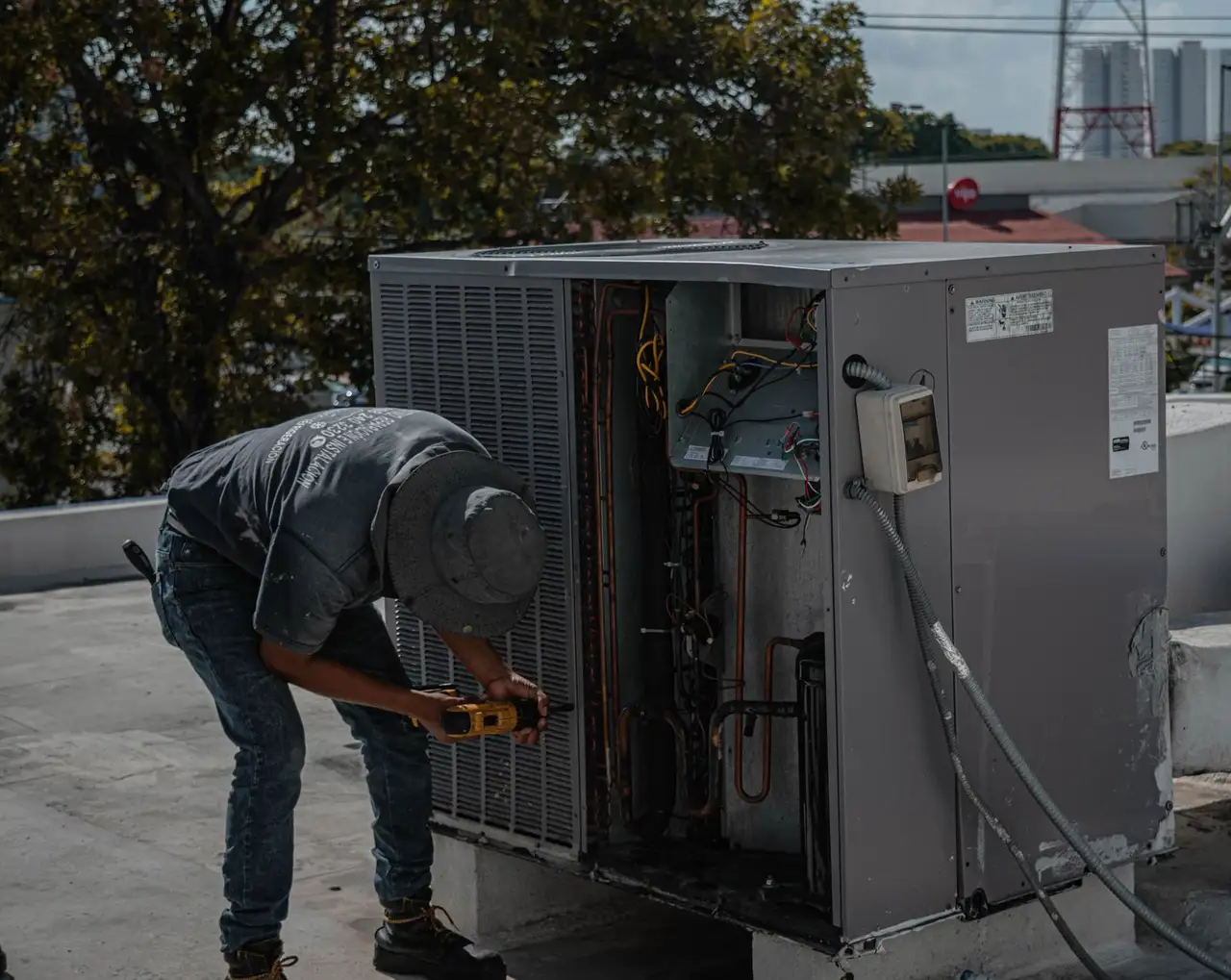
We pull a deep vacuum with a vacuum pump, then weigh in R-410A or R-32 to the exact factory charge. A manifold gauge set confirms pressures and superheat before we call the job done.
The old equipment leaves with us. We sweep the mechanical closet, wipe down the thermostat, and leave your home cleaner than we found it. No refrigerant cylinders or scrap copper left behind.
Share what is happening and receive a clear next step from the local team.
HVAC Installation in Linden is the licensed process of removing old heating and cooling equipment and installing a new system that matches your home's square footage, insulation, and duct layout. We start with an ACCA Manual J load calculation, then select equipment from brands like Carrier, Trane, or Goodman that fits your budget and efficiency goals. Every job includes a copper line set, PVC condensate drain, thermostat wire, and a fresh air filter.
Linden homes take a beating from both sides of the calendar. Summers push 95 degrees with humidity that makes a 3-ton system feel like a 2-ton, and winters drop into the teens with wind off the Arthur Kill. If your system is 12 to 15 years old, you're probably calling for repairs more often than you'd like. A new HVAC system installation in Linden NJ resets that clock and cuts monthly utility bills by 20 to 40 percent.
We measure your home's square footage, window orientation, insulation levels, and duct size. Then we run an ACCA Manual J calculation to determine the right tonnage. Oversized systems short-cycle and leave humidity behind. Undersized systems run nonstop. Getting this right takes 45 to 60 minutes and saves you thousands in the long run.
You pick from options we present: Carrier, Trane, Lennox, Goodman, Rheem, or Mitsubishi Electric. We explain the difference between a 14.3 SEER2 builder-grade unit and a 20 SEER2 variable-speed system. You see the price difference and the projected energy savings before you commit.
We recover refrigerant with a recovery machine, disconnect the old line set, and haul the equipment out. The pad gets leveled, the plenum gets inspected, and any rotted duct board gets replaced. Most removals take two to three hours.
New equipment goes in, copper lines get brazed with a torch kit, the condensate drain gets piped to code, and the thermostat wire gets run. We use a manifold gauge set and vacuum pump to pull a deep vacuum, then weigh in R-410A or R-32 refrigerant to the exact ounce.
We run the system for 30 minutes, check temperature split with an anemometer, and verify the combustion analyzer readings on gas furnaces. Then we walk you through the thermostat, filter changes, and warranty registration. You get a clean workspace and a system that works.
Used to read high-side and low-side pressures during charging and to verify superheat and subcooling. We don't guess the charge; we measure it.
Pulls a deep vacuum on the line set before charging. Moisture left in the system turns to acid and kills compressors. We hold vacuum for 15 minutes before we open the valves.
Recovers refrigerant from the old system so it can be reclaimed or recycled. Required by EPA Section 608 rules, and we do it on every removal.
Tests flue gas on gas and oil furnaces to confirm safe, efficient combustion. We check carbon monoxide levels and adjust the air-fuel mixture before we leave.
Measures airflow at the registers after installation. If a bedroom isn't getting enough air, we find out why and fix it before the job is done.
Measures duct leakage. If your existing ducts are leaking 30 percent of your conditioned air into the attic, a new system won't fix the problem until the ducts do.
The industry-standard method for sizing heating and cooling equipment. It accounts for square footage, insulation, window area, orientation, and local climate data. We run it on every job so you get the right tonnage, not a rule-of-thumb guess.
Determines whether your existing ductwork can handle the airflow your new system needs. If a trunk line is undersized, we modify it before installation. This is why some new systems never deliver the comfort they should.
Federal rules for recovering, recycling, and charging refrigerant. Our technicians hold EPA Section 608 Certification and EPA R-410A Certification. We follow the rules because they protect your equipment and the environment.
New equipment often needs a dedicated circuit, a disconnect, and proper grounding. We check the panel, run the wire, and make sure the electrical side of the installation meets code before the inspector arrives.
We prioritize no-heat calls in cold weather. We'll diagnose the crack, explain why repair isn't safe, and quote a replacement. Common furnace sizes are in stock, so we can often install within 48 hours. You get a safe, code-compliant furnace and a warm house before the next cold front. The old unit goes with us.
Spring is the right time to replace. We run the load calculation, show you equipment options, and schedule the install before the June rush. You get the system you want, not whatever's left on the truck in July. You start summer with a new system, a new warranty, and a lower electric bill. No emergency calls in August.
A ductless mini-split installation solves the problem without tearing up walls. We mount the indoor head, run the line set through the rim joist, and commission the system in one day. The basement becomes usable year-round. You control it with its own remote, and the main system stops working overtime.
We quote a replacement with R-410A or R-32 equipment. The new system is more efficient, uses current refrigerant, and comes with a warranty. We handle the refrigerant recovery and disposal of the old unit. You stop throwing money at a dead system. The new unit cools better and costs less to run.
Linden sits in a climate zone that swings from humid 95-degree summers to single-digit winter nights. That range puts real stress on heating and cooling equipment. Most of the housing stock was built between 1920 and 1970, which means smaller mechanical closets, older ductwork, and electrical panels that may not have capacity for a new high-efficiency system. We check all of that during the estimate. If your panel needs an upgrade, we tell you before installation day, not after. We also know the Linden construction office and what they look for on inspection. Permits get pulled correctly, and the inspection passes the first time. If you're comparing quotes for HVAC replacement and installation Linden NJ, ask whether the contractor runs a load calculation and pulls a permit. Those two steps separate a professional job from a callback waiting to happen.
Mostly older capes and colonials with attic ductwork that often needs sealing before a new system can perform. We check duct leakage on every estimate here.
Closer to the water, which means higher humidity and more corrosion on outdoor units. We recommend coated coils and raised pads for installations in this section.
Homes here often have finished basements with limited ceiling height. Ductless mini-splits are a common solution when extending ductwork isn't practical.
Two-family homes and rentals are common. We install separate systems or zoning so tenants control their own comfort and landlords control the bills.
Humidity makes a system work harder to remove moisture. An oversized unit short-cycles and leaves the house clammy. Proper Manual J sizing matters more here than in drier climates.
Heat pumps need cold-climate models to hold capacity. We set the aux heat lockout and defrost controls so the system runs efficiently instead of relying on electric resistance heat.
New high-efficiency equipment sometimes needs a dedicated circuit. We check the panel during the estimate and quote any electrical work upfront so there are no surprises.
A 2,400-square-foot colonial in Sunnyside had a 20-year-old furnace and a 15-year-old AC. Winter gas bills averaged $280, and the upstairs bedrooms never got cool in summer. The ductwork had visible leaks in the attic.
We installed a 96 percent AFUE furnace and a 16 SEER2 AC, sealed the attic ducts, and balanced the registers. First-month gas bill dropped to $190. The upstairs bedroom now holds within 2 degrees of the thermostat setting.
Maintenance: Change the 16x25x1 filter every 90 days and schedule a spring AC tune-up. The duct sealing should hold for the life of the system.
A finished basement in Tremley Point was unusable in summer because the central air couldn't reach it. Portable AC units ran constantly and still left the room at 78 degrees. The homeowner wanted a permanent fix without tearing up walls.
We installed a Mitsubishi Electric ductless mini-split with a wall-mounted indoor head and a line set run through the rim joist. The basement now holds 72 degrees on the hottest day, and the portable units are gone.
Maintenance: Rinse the indoor filter every month during cooling season and schedule an annual coil cleaning. The outdoor unit needs 12 inches of clearance on all sides.
A two-family home near downtown Linden had one furnace and one AC serving both units. The upstairs tenant was always cold in winter and hot in summer. The landlord was fielding complaints every month.
We installed a separate heat pump system for the upstairs unit with its own thermostat. Both units now control their own temperature. The landlord's repair calls dropped from monthly to zero in the first year.
Maintenance: Each unit needs its own filter changes and annual tune-up. We schedule both visits on the same day to keep it simple for the landlord.
Old equipment doesn't fail all at once. It limps along, costing you money every month until it quits for good. Here's what a new system fixes.
A 15-year-old system loses efficiency as the compressor wears and refrigerant charge drifts. You pay 20 to 40 percent more than you should every month. A new high-efficiency system with a matched coil and proper charge restores factory efficiency. Most Linden homeowners see the difference on their first full-month bill after installation.
Uneven temperatures usually mean undersized ductwork or a system that was never balanced. You close registers and still can't get the upstairs bedroom comfortable. We run a Manual D duct calculation, resize problem runs, and balance the registers after installation. You get consistent temperatures from the basement to the second floor.
A slow leak means recharging every season, which adds up fast. R-22 systems can't even be recharged legally anymore, so repair isn't an option. A new system with a new line set eliminates the leak source. We pressure-test every joint before charging and use an electronic leak detector on the final walkthrough.
When you know the service tech's name because you see him twice a year, your system is telling you something. Each repair costs $300 to $800 and leaves you without heat or AC for hours. New equipment comes with a manufacturer warranty and our labor warranty. You stop budgeting for surprise repairs and start budgeting for vacations instead.
$6,500 - $14,000 depending on system size, efficiency, and ductwork
Typical 2026 pricing for a full HVAC installation in Linden runs $6,500 to $14,000. A straightforward furnace and AC replacement with existing ductwork sits near the lower end. Heat pumps, new ductwork, or electrical upgrades push toward the upper end. We give you a written range after the load calculation, and we stick to it. If we find something unexpected, we stop and quote the fix before we proceed. No surprise line items on the final invoice.
A new system lasts 15 to 20 years. Spread over that lifespan, the monthly cost of the installation is often less than what you're paying now in repairs and wasted energy. Financing makes the upfront number manageable.
A 2-ton system costs less than a 4-ton system because the equipment is smaller and the labor is similar. The load calculation determines what you actually need, not what a salesperson wants to sell you.
A 14.3 SEER2 builder-grade unit costs less upfront than a 20 SEER2 variable-speed system. The higher-efficiency unit costs more but cuts cooling bills by 30 percent or more. We show you the payback math.
If your existing ducts are sized correctly and sealed, installation is straightforward. If they're undersized or leaking, we quote duct modification or sealing as a separate line item. It's better to know upfront.
Some installations need a dedicated circuit, a new disconnect, or a panel upgrade. Linden permit fees add a few hundred dollars. We include all of this in the written quote so you're not surprised later.
Carrier, Trane, and Lennox tend to cost more than Goodman or Rheem. Variable-speed compressors, communicating thermostats, and zoning add cost but also add comfort and efficiency. You pick the tier that fits your budget.
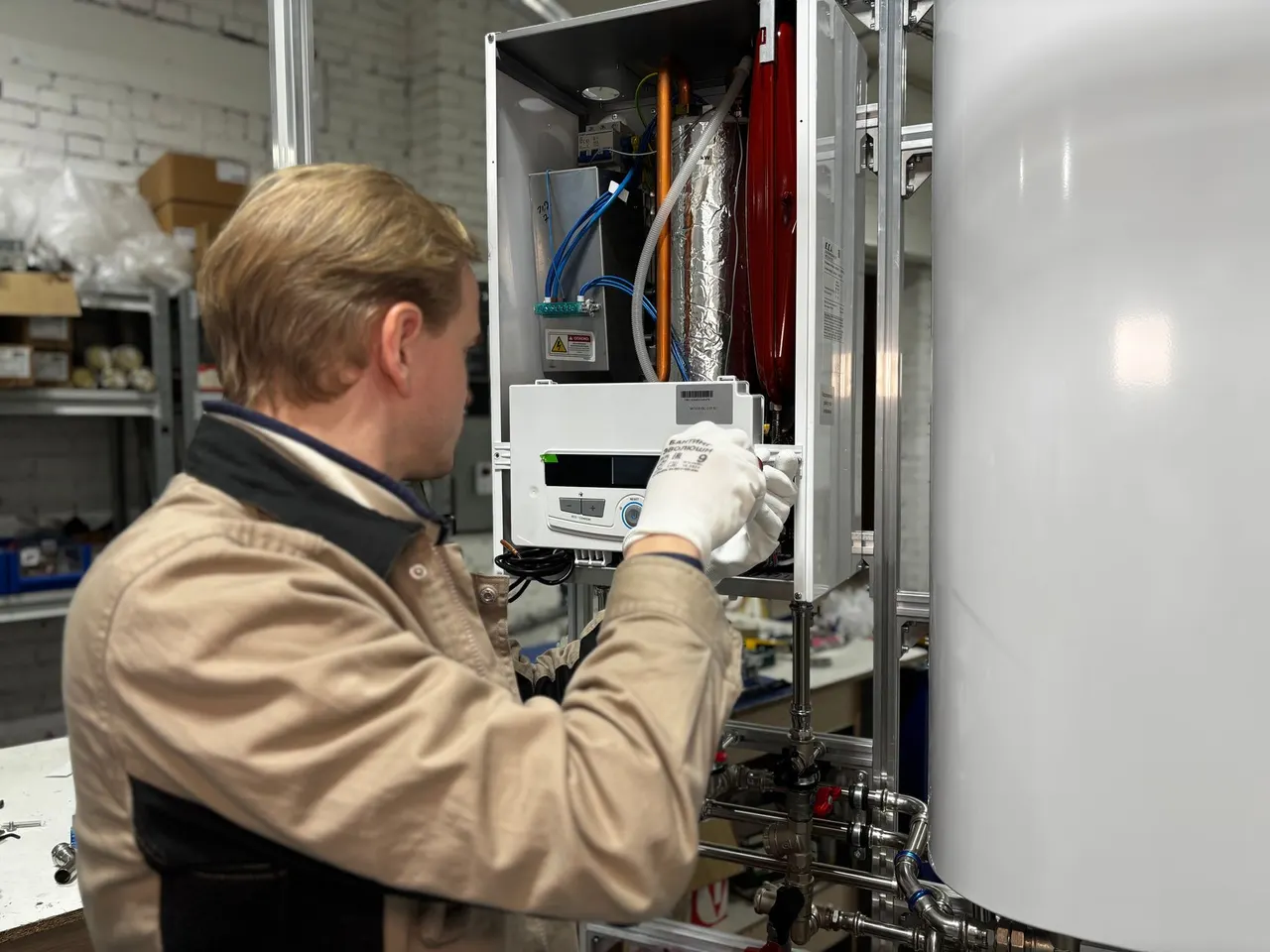
Our technicians hold NATE Certification and EPA Section 608 Certification, and we carry the New Jersey HVACR License required for mechanical work in Union County. We've installed systems in capes, colonials, ranches, and two-family homes across Linden. Every install gets permitted and inspected. We know how Linden's older housing stock handles airflow, and we know which duct layouts need modification before a new system can breathe. That local experience shows up in how your system performs in year five, not just year one.
Our 18-year-old furnace finally quit in November. These guys came out the same day, ran a load calculation, and had a new Carrier system installed by Thursday. They pulled the permit, met the inspector, and cleaned up every scrap of the old unit. Our gas bill dropped $80 the first month.
We added a Mitsubishi mini-split to our finished basement because the central air never reached it. The install was clean, the line set was hidden behind the siding, and the system is silent. They walked me through the remote and the filter cleaning. No pressure, no upsell.
I got three quotes for a heat pump installation. These guys were the only ones who actually measured the house and showed me the Manual J numbers. The price was in the middle, but the work was better than the higher quote. They even replaced a rotted section of duct board they found behind the air handler.
Most full-system installations in Linden run $6,500 to $14,000 in 2026, depending on tonnage, efficiency rating, and whether ductwork needs modification. A straightforward 3-ton AC and furnace swap with existing ductwork sits near the lower end. Adding a heat pump, new line set, or zoning pushes toward the upper end. We give you a written range after the load calculation.
Size depends on square footage, insulation, window area, and duct capacity, not just house size. A 1,500-square-foot Linden cape might need 2.5 tons while a 2,000-square-foot colonial with poor attic insulation needs 3.5 tons. We run an ACCA Manual J calculation on every estimate so you get the right equipment, not a guess.
A standard furnace and AC replacement takes one long day, usually 8 to 10 hours. Heat pump installations or jobs that require new ductwork run two days. We schedule the inspection for the following business day so you're not waiting a week for sign-off. You'll have heat or cooling back the same night in most cases.
Yes. We work with financing partners that offer terms from 12 to 84 months, including 0 percent promotional periods on qualifying systems. You can apply online or on the tablet when we're at your kitchen table. Most approvals come back in under 10 minutes, and you'll know your monthly payment before you sign anything.
Not seeing your question? Our local team can help you understand urgency, scheduling and what to expect.
Ask the local team
If your current AC still has life left, repair beats replacement. We diagnose refrigerant leaks, bad capacitors, and frozen coils before recommending a new system. Many Linden homeowners get three more summers out of equipment we repair.
View service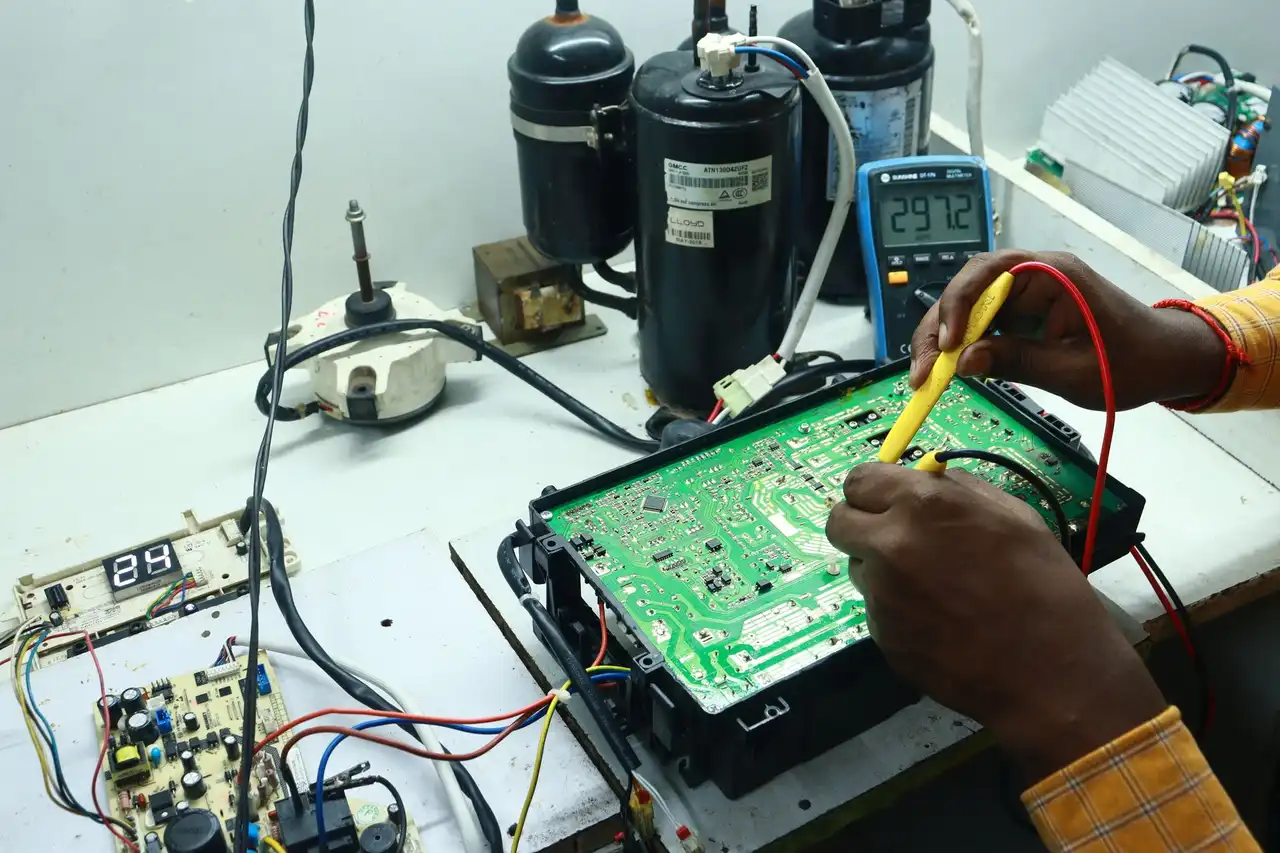
Central air installation pairs with our HVAC installation work. We size the condenser and evaporator coil together, run the line set, and commission the charge. If you're adding AC to a home that never had it, we handle the electrical and ductwork too.
View service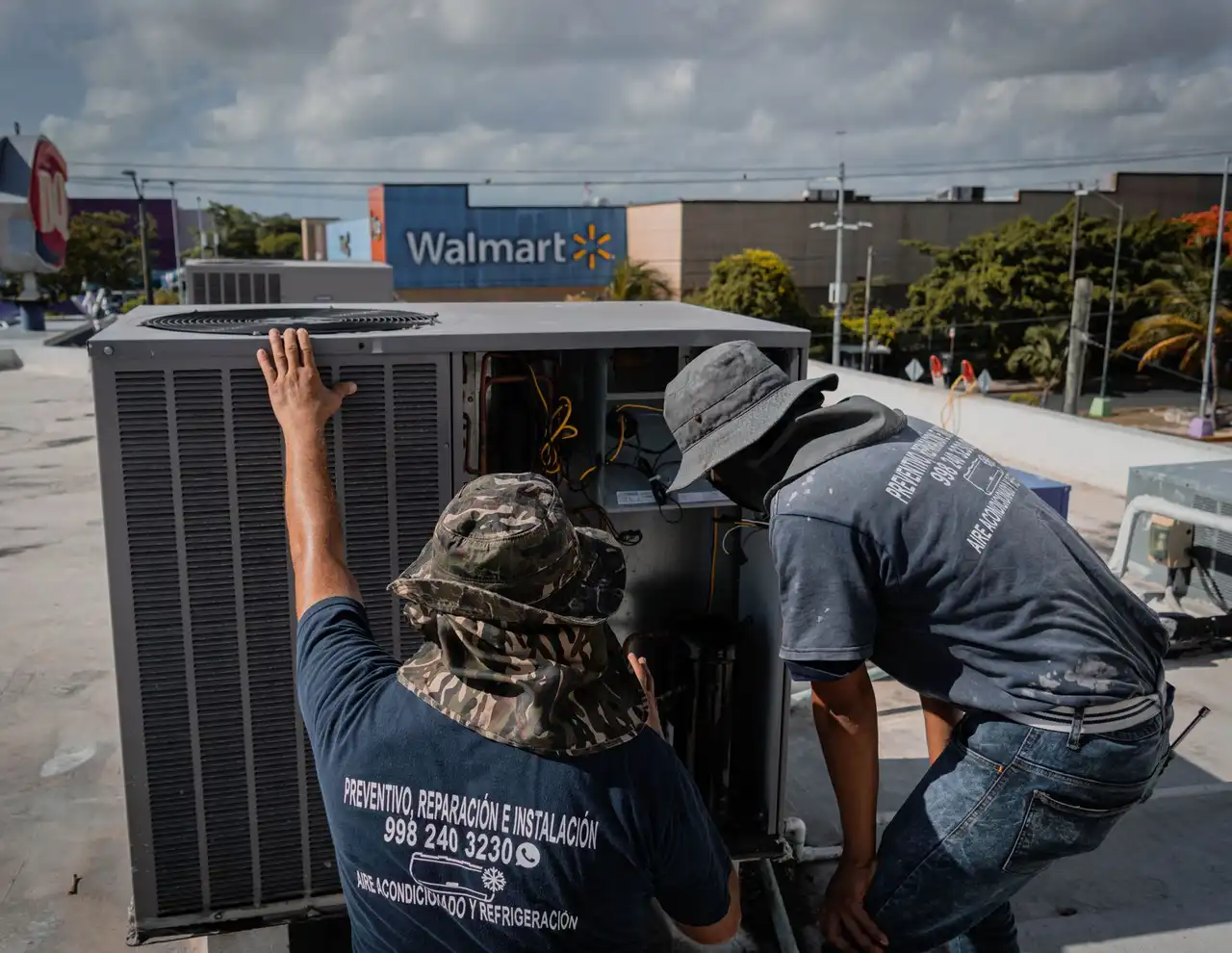
When your outdoor unit is 15 years old and R-22 refrigerant is no longer available, replacement makes more sense than repair. We swap the condenser, coil, and line set, then verify the charge with a manifold gauge set before we leave.
View service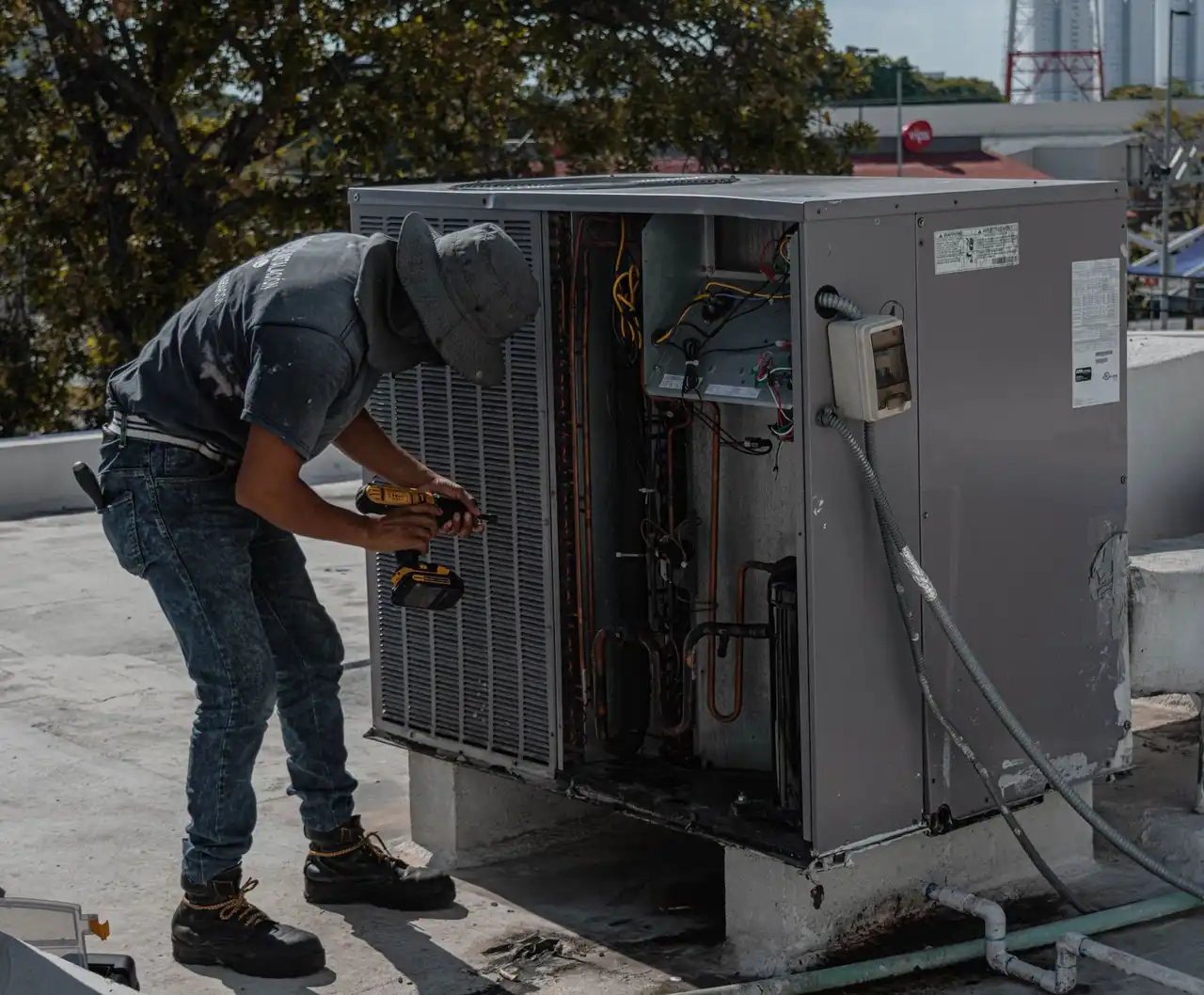
Annual tune-ups keep your new installation under warranty and catch small problems before they become July emergencies. We clean the evaporator coil, check the capacitor, and flush the condensate drain. Book it in spring before the rush.
View service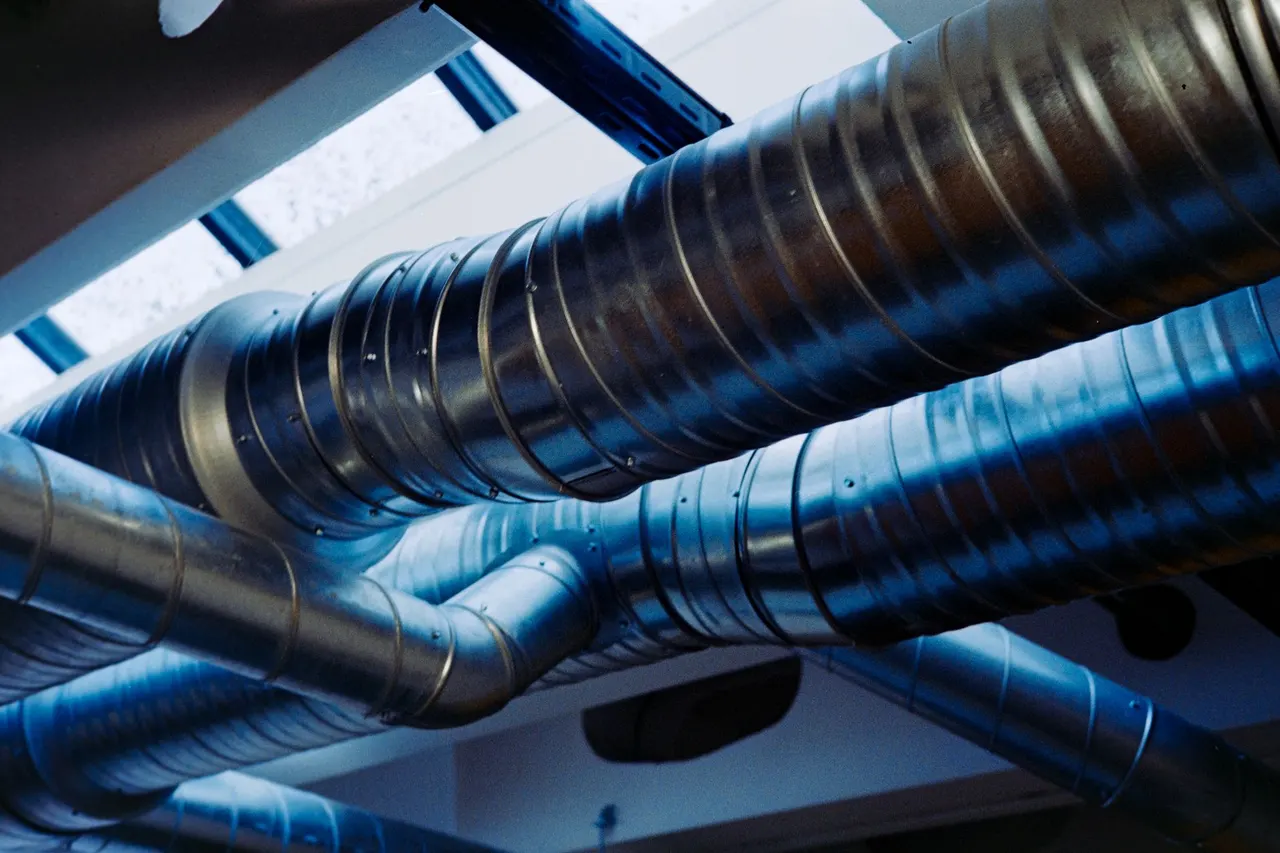
Call us at +1 973-929-2540 or email info@hvacserviceslindennj.com. We answer the phone 24/7 for emergencies. For non-emergency service, we can usually schedule a same-day or next-day visit. Our office is in Linden, New Jersey, and we serve all of Union County.