Focused arrival windows
Useful updates and clear arrival timing.
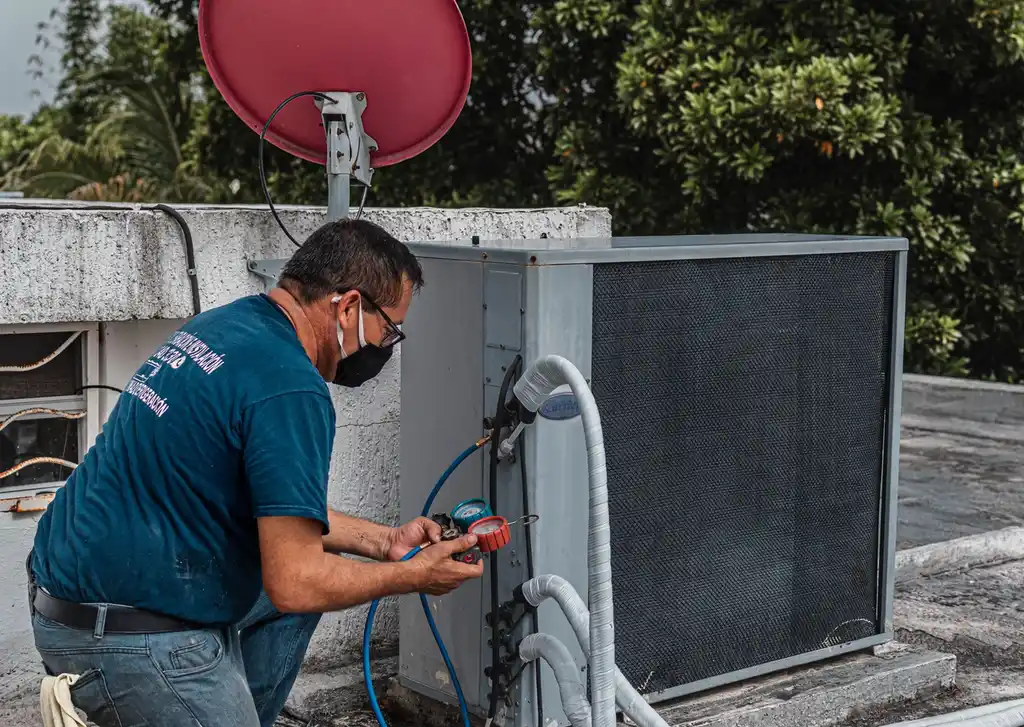
When your ductless mini-split repair Linden NJ needs to be fast, our technicians diagnose the real fault and fix it on the first visit. We work on every major brand, from Mitsubishi Electric and Daikin to Carrier and Trane, and we carry the R-410A and R-32 refrigerant, capacitors, and controls to get your system running the same day. You get upfront pricing and a written warranty before we start.
Useful updates and clear arrival timing.
Review the approach and price before deciding.
Equipped vehicles and respectful cleanup.
Neighbors serving neighbors with follow-through.
Every repair visit includes a full diagnostic, the repair itself, and a verification run so you know the system is actually fixed. Here is what is covered in a standard call, and what we quote separately if it comes up.
We test line pressures with a manifold gauge set, amp draw with a clamp meter, supply and return air temps with an anemometer, and control voltage with a multimeter. You get the finding in plain English, not just a code number.
We use an electronic leak detector and nitrogen pressure test to find the leak, then repair the copper line set, flare, or Schrader port. Every leak repair ends with a vacuum and a weighed recharge of R-410A or R-32.
Failed capacitors, contactors, thermistors, and control boards are replaced with OEM-spec parts. We verify the circuit to NEC Electrical Code and confirm the disconnect and breaker are sized correctly for the unit.
A dirty evaporator coil kills capacity and causes icing. We clean the coil, flush the PVC condensate drain, and check the pitch so water goes outside, not down your wall. This is included in every no-cool call.
Before we leave, we run the system in cool and heat, check delta-T across the coil, and confirm the charge is stable on the gauges. Repairs carry a 1-year parts-and-labor warranty, and you get the terms in writing.
Share what is happening and receive a clear next step from the local team.
Ductless mini-split repair in Linden, New Jersey means finding out why your wall unit stopped cooling, started leaking, or tripped the breaker, then correcting that fault with the right parts and refrigerant. We test the whole system, not just the head: line set pressures with a manifold gauge set, electrical draw with a clamp meter, airflow with an anemometer, and drain flow through the PVC condensate line. If the compressor, capacitor, or control board has failed, we confirm it with a multimeter before we quote the repair.
Most Linden calls we run come from systems that are 6 to 15 years old and have never had a deep clean. Dust and pollen pack the evaporator coil, the condensate drain clogs, and the unit ices over or drips down the wall. Others lose charge through a pinhole leak in the copper line set. If your mini split not cooling repair Linden New Jersey is on your list, we can usually get to you the same day and have cold air back before dinner.
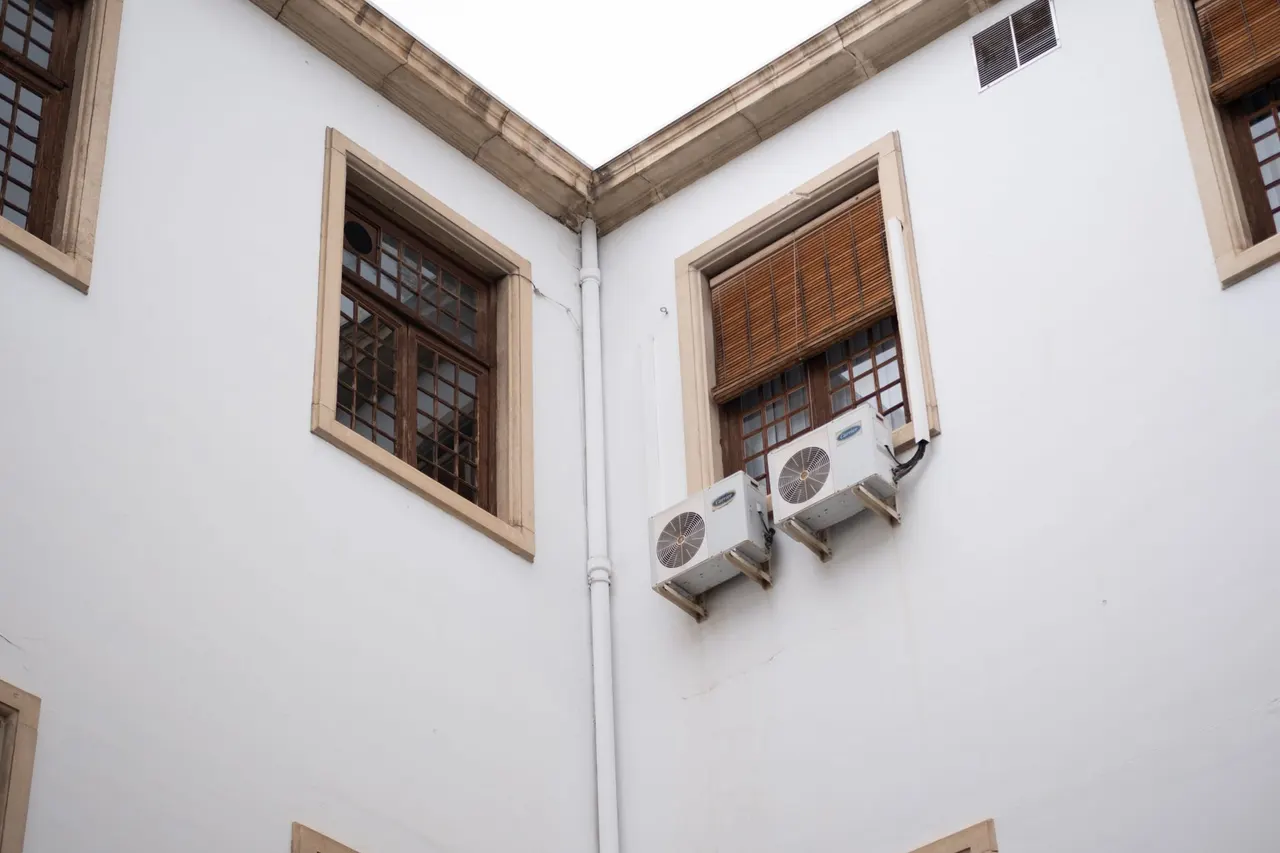
We ask what the system is doing: no cool, no heat, water on the floor, error code, or breaker trip. That tells us which parts and tools to load. Most calls get a same-day window, and we text you when the tech is 30 minutes out.
The tech checks line pressures with a manifold gauge set, amp draw with a clamp meter, and supply air temperature with an anemometer. A multimeter confirms capacitor and board health. Diagnosis takes 30 to 45 minutes and you get the finding in plain English.
You see the repair price before any work starts. If the fix is a $180 capacitor, that is the number. If the compressor has failed and replacement makes more sense, we tell you that too, with both numbers side by side.
We replace failed parts, repair the leak in the copper line set, evacuate with a vacuum pump, and charge R-410A or R-32 by weight. Condensate drains get flushed and pitched. Most repairs are done in 2 to 4 hours.
We run the system in cool and heat, check delta-T across the coil, verify the drain, and confirm no refrigerant loss on the gauges. You get a written summary of what failed, what we replaced, and the warranty terms before we pack up.
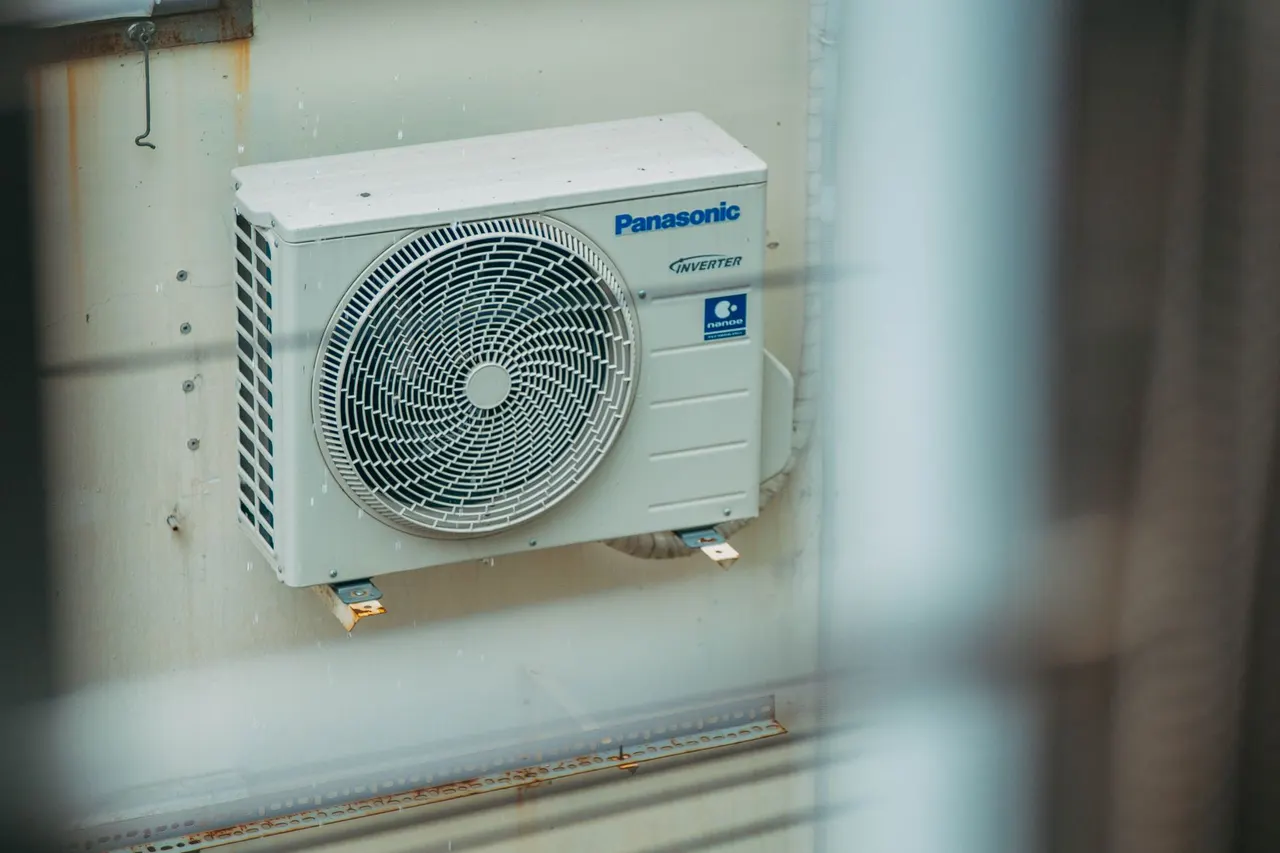
Reads high and low side pressures so we can confirm charge, superheat, and subcooling before and after a repair.
Pulls a deep vacuum on the line set after any leak repair or component swap, removing moisture and non-condensables before recharge.
Finds refrigerant leaks in the copper line set, flares, and coil that a pressure drop alone will not pinpoint.
Measures amp draw and control voltage to confirm capacitor, contactor, board, and compressor health without guesswork.
Checks supply and return airflow so we know the coil and blower are moving the CFM the system was designed for.
Recovers R-410A or R-32 to EPA standards before any repair that opens the sealed system.
Makes and torques flare connections to manufacturer spec, which is where most mini split leaks start.
All refrigerant work follows EPA Section 608 rules for recovery, recycling, and recharge. We do not vent refrigerant, and we weigh in the charge by manufacturer spec, not by gauge feel.
After any leak repair, we pressurize the circuit with dry nitrogen and hold it to confirm the fix. This catches slow leaks that a vacuum alone will miss, and it is why our leak repairs hold.
When a repair turns into a replacement conversation, we size the new equipment with ACCA Manual J and design the air distribution with Manual D. That prevents the oversized, short-cycling systems we see all over the area.
Disconnects, breakers, and wiring are checked against NEC Electrical Code on every repair. Undersized circuits are a common cause of board and compressor failures on older mini split installs.
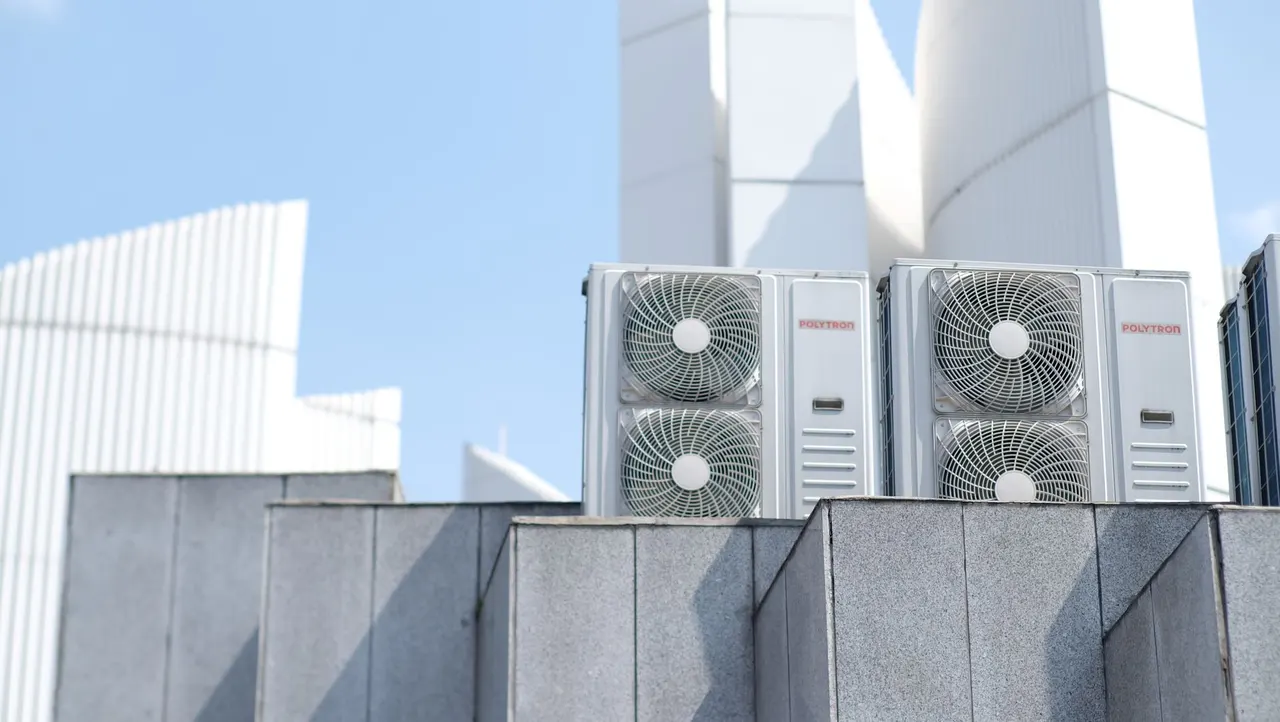
We treat no-cool calls in extreme heat as priority. A tech is dispatched the same day, usually within a few hours, and we carry the capacitors, boards, and refrigerant to finish the repair on the first visit. Cold air back the same day, usually within 2 to 4 hours on site, and a written warranty on the repair.
We flush the condensate drain, clear the pan, clean the coil, and check the drain pitch. If the coil was frozen from low charge, we find and repair the leak and recharge by weight. Dry floor, no mold risk, and a system that drains correctly through the next cooling season.
We test the reversing valve, defrost board, and charge. Cold-weather failures are usually a defrost fault or a low-charge condition, and both are repairable on site with the parts we stock. Heat restored the same day, with the defrost cycle verified through a full cycle before we leave.
We run emergency calls 7 days a week. Weekend and after-hours rates are quoted upfront on the phone, and we stock the most common failure parts so we can finish the job on the first visit. A tech at your door the same evening in most cases, with the repair done and the system tested before we leave.
Linden sits in Union County, and the housing stock here ranges from 1920s two-families near Wood Avenue to newer construction off Stiles Street. Most of the ductless systems we see were added because the house has no ductwork or the second floor never got cool. That means we are often working on systems installed 6 to 15 years ago, and the failures we see are predictable: clogged condensate drains from humid summers, dirty evaporator coils, and pinhole leaks in the copper line set. Our mini split system repair Linden NJ calls spike in July and again in January, when heat pumps are running hard. If you need a Linden NJ mini split service that knows this housing stock, we do. We also handle ductless heat pump repair Linden calls year-round, since these systems run both seasons. For older homes with knob-and-tube remnants or undersized panels, we check the circuit to NEC Electrical Code before we replace a board or compressor, because a weak circuit will kill the new part too.
Older two-family homes with limited ductwork, where ductless heads are often the only cooling on the second floor.
Mix of older and newer construction, with a lot of single-zone mini splits added during renovations.
Waterfront homes that see higher humidity and salt air, which speeds up coil corrosion and drain clogging.
Post-war capes and ranches where homeowners often add a ductless head to a converted attic or addition.
Condensate drains clog faster and coils foul sooner, which is why we flush drains and clean coils on every no-cool call.
Heat pump mini splits run near continuous in January, so defrost faults and low-charge conditions show up fast. We test the defrost cycle on every winter repair.
We check the circuit to NEC Electrical Code before replacing a board or compressor, because a weak circuit will fail the new part too.
Outdoor coils corrode faster in Tremley Point and similar areas. We inspect coil fins and recommend a rinse schedule to extend equipment life.
A 3-year-old Mitsubishi head in Linden was running but blowing 70-degree air. Pressures were low, and the electronic leak detector found a leaking flare at the outdoor unit. The system had lost about 30% of its charge.
We remade the flare with a proper torque, pressure-tested with nitrogen, pulled a deep vacuum, and weighed in R-410A to spec. Supply air dropped to 52 degrees, and the system held charge at the 30-day check.
Maintenance: We recommend a spring coil cleaning and a drain flush each year. Keeping the outdoor unit clear of debris and rinsing the coil quarterly extends the life of the flare and the compressor.
A homeowner in Cranford had water running down the wall from a bedroom mini split. The condensate pan was full of biofilm, and the drain line was blocked. The drywall was already damp and starting to bubble.
We flushed the PVC condensate drain, cleared the pan, cleaned the evaporator coil, and reset the drain pitch. The unit ran dry through a full cooling cycle, and the homeowner had a drywall guy out the next day.
Maintenance: A yearly drain flush in late spring prevents the biofilm from coming back. We also recommend a coil cleaning every 12 to 18 months in homes with pets or heavy pollen.
A Daikin single-zone unit in Rahway would not start. The breaker held, but the outdoor fan and compressor did not come on. A multimeter showed the capacitor was out of spec and the contactor was pitted.
We replaced the capacitor and contactor with OEM-spec parts, verified amp draw with a clamp meter, and confirmed the circuit to NEC Electrical Code. The unit started on the first call and cooled the room in under 15 minutes.
Maintenance: Capacitors fail more often in extreme heat. An annual spring tune-up that checks capacitance and amp draw catches a weak capacitor before it strands you on the hottest day of the year.
Most ductless calls fall into a handful of categories. Here are the ones we see most in Linden and what happens if you let them go.
A unit that runs but does not cool is usually low on charge or has a failed capacitor. Left alone, the compressor runs hot and can fail, turning a $300 repair into a $1,500 replacement. We test pressures and amp draw, find the leak or failed part, repair it, and recharge by weight. Most no-cool calls are fixed the same day, and we verify delta-T before we leave.
A clogged condensate drain or a frozen coil sends water into your drywall and trim. Mold can start in 24 to 48 hours, and the repair bill climbs fast once drywall is involved. We flush the PVC condensate drain, clear the pan, clean the coil, and check the drain pitch. If the coil was frozen from low charge, we repair the leak and recharge the system.
A tripping breaker points to a shorted compressor, a bad control board, or a wiring fault. Repeated resets can damage the inverter module and the compressor, which is the most expensive part in the system. We isolate the fault with a multimeter and clamp meter, test the compressor windings, and check the circuit to NEC Electrical Code. We replace the failed part and confirm the breaker holds under full load.
Ice on the outdoor coil means the defrost cycle is not working. The system loses capacity, runs constantly, and can freeze the compressor. In a Linden January, that happens fast. We test the defrost board, reversing valve, and sensors, then repair or replace the failed component. We also check charge, since low refrigerant is a common cause of poor defrost performance.
$180 - $1,600 depending on the repair
Typical 2026 pricing in this area runs $180 to $450 for common repairs like capacitors, control boards, and drain clearing. Leak repair with evacuation and recharge runs $450 to $1,200 depending on how hard the leak is to reach. Compressor replacement on a single-zone system lands between $900 and $1,600. You get the exact number before we start, and every repair carries a 1-year parts-and-labor warranty. We do not charge a diagnostic fee if you approve the repair.
A $300 capacitor repair is far cheaper than a $1,500 compressor replacement, and both are cheaper than a new system. Fixing the fault early is the best money you will spend on your mini split this year.
A capacitor or drain flush is on the low end. A control board, inverter module, or compressor is on the high end. We tell you which one it is after diagnosis, not before.
If the repair opens the sealed system, we add the cost of recovery, vacuum, and a weighed recharge of R-410A or R-32. That typically adds $200 to $500 to the job.
A ground-level outdoor unit is quick to work on. A rooftop or a unit tucked behind a deck adds time and sometimes a second tech, which affects labor.
A single-zone repair is straightforward. A multi-zone system with two or three failed heads takes longer to diagnose and test, and the labor reflects that.
Common parts like capacitors and contactors are on the truck. Less-common boards and inverter modules may need next-day delivery, which we tell you upfront.
Emergency mini split repair Linden NJ calls on nights and weekends carry an after-hours rate that we quote on the phone before we dispatch. No surprises on the invoice.
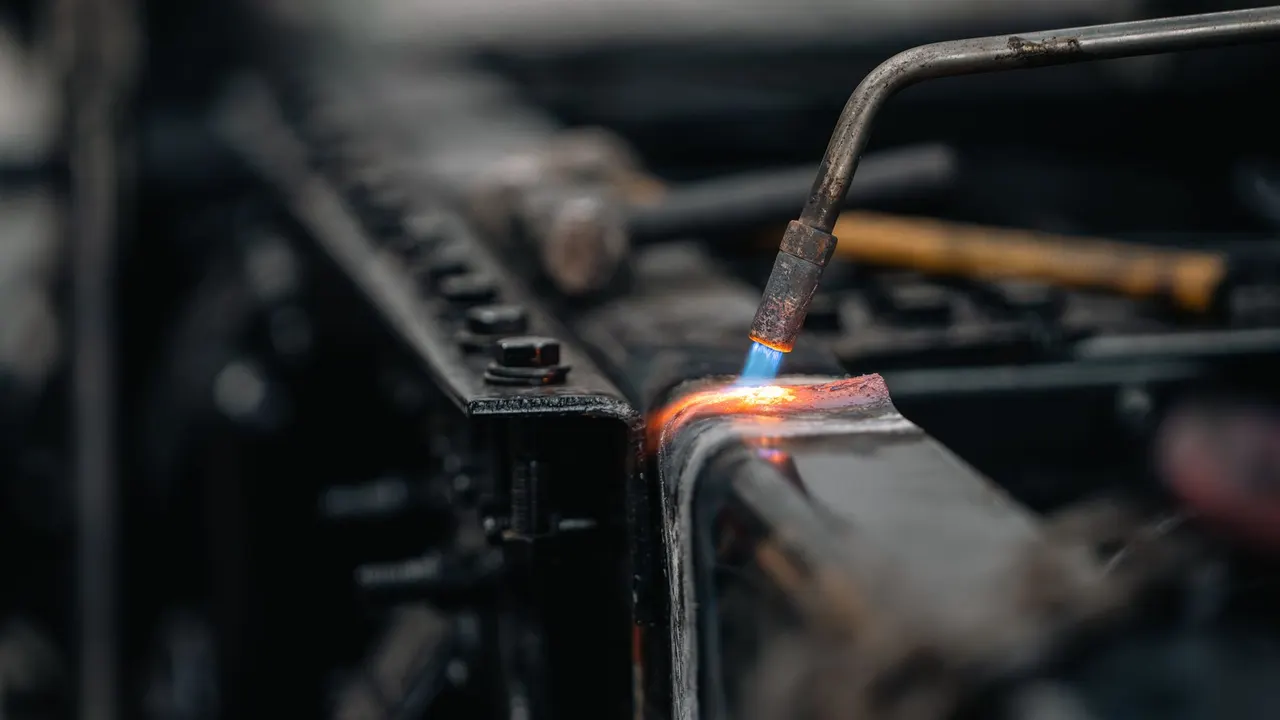
Our technicians hold EPA Section 608 Certification and EPA R-410A Certification, and we work to ACCA Manual J and Manual D standards when sizing and balancing ductless zones. We have serviced thousands of ductless heads across Union County, from single-zone bedroom units to 5-zone whole-home systems. We carry NATE-certified techs, follow NEC Electrical Code on every disconnect and circuit, and stay current on R-32 transition rules so your system gets the right refrigerant, not whatever is on the shelf.
Our Mitsubishi head stopped cooling on a 95-degree Saturday. They came out the same afternoon, found a leaking flare, repaired it, pulled a vacuum, and recharged. Cold air by 6 p.m. Price was exactly what they quoted on the phone. I have already recommended them to two neighbors.
The bedroom mini split was dripping water down the wall. Tech showed up on time, flushed the condensate drain, cleaned the coil, and showed me the sludge that came out. Charged a fair price and did not try to sell me a new unit. That is rare.
Two of our four Daikin zones stopped working. They diagnosed a failed control board on one and a bad capacitor on the other, had both parts on the truck, and had us back to full cooling in under three hours. Clean work, no mess left behind.
The three most common causes are a dirty evaporator coil, low refrigerant from a leak, and a failed capacitor or control board. In Linden's humid summers, coils foul fast and drain lines clog, which can also cause icing. We test pressures, amp draw, and airflow on site and tell you exactly which one it is in about 30 minutes.
Typical 2026 pricing in this area runs $180 to $450 for common repairs like a capacitor, control board, or drain clearing, and $450 to $1,200 when a leak repair, evacuation, and recharge are involved. Compressor replacement on a single-zone system usually lands between $900 and $1,600. You get the exact number before we start.
Most repairs are done in 2 to 4 hours on site. A capacitor or board swap is closer to 90 minutes. Leak repair with evacuation and recharge takes 3 to 5 hours because we pull a deep vacuum and verify the charge by weight. We schedule same-day slots most weekdays and can often finish before dinner.
Yes. We service and repair Mitsubishi Electric, Daikin, Carrier, Trane, Lennox, Goodman, Rheem, York, Bryant, American Standard, and Bosch, among others. Our trucks carry common parts for each, and we can order less-common boards and inverter modules for next-day delivery. If you are unsure of your brand, text us a photo of the data plate.
Not seeing your question? Our local team can help you understand urgency, scheduling and what to expect.
Ask the local team
When your central AC quits in July, we diagnose and repair it the same day. Many Linden homes run both a central system and a ductless head, and we service both on one visit so you are not paying two trip charges.
View service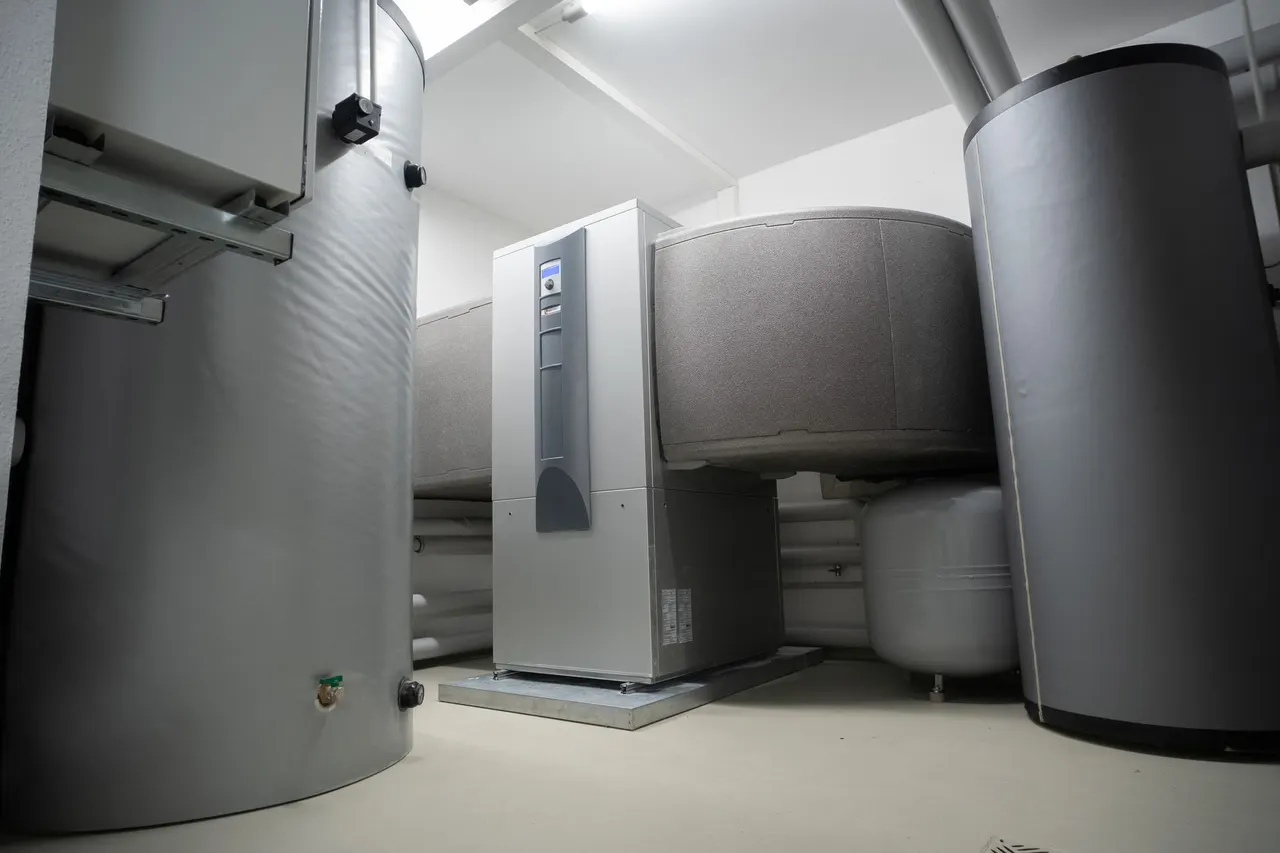
If your old unit is beyond repair, we install new high-efficiency AC equipment sized to ACCA Manual J. We handle the line set, disconnect, and permit, and we haul the old equipment away the same day.
View service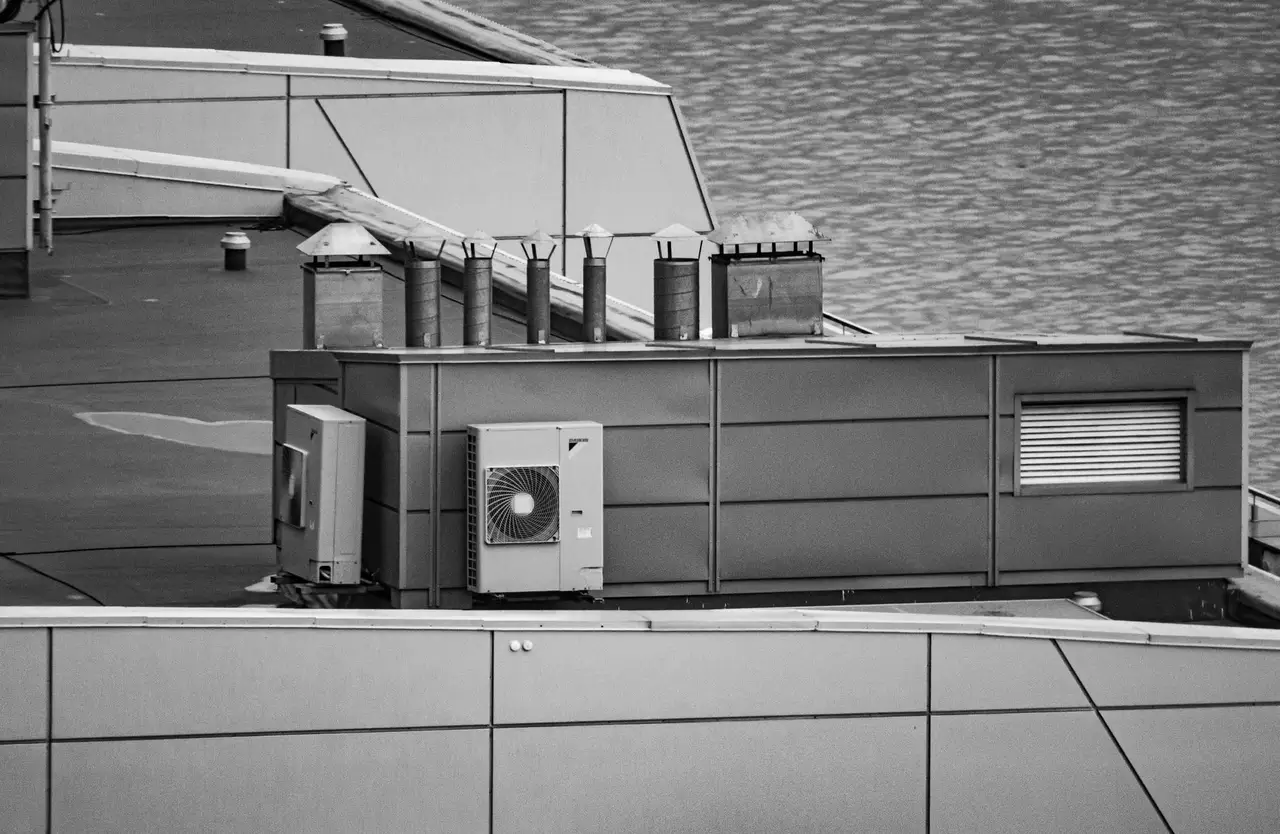
Replacing a failed AC is often cheaper than a compressor swap on a 12-year-old unit. We quote both options side by side, so you can see the 5-year cost of each before you decide.
View service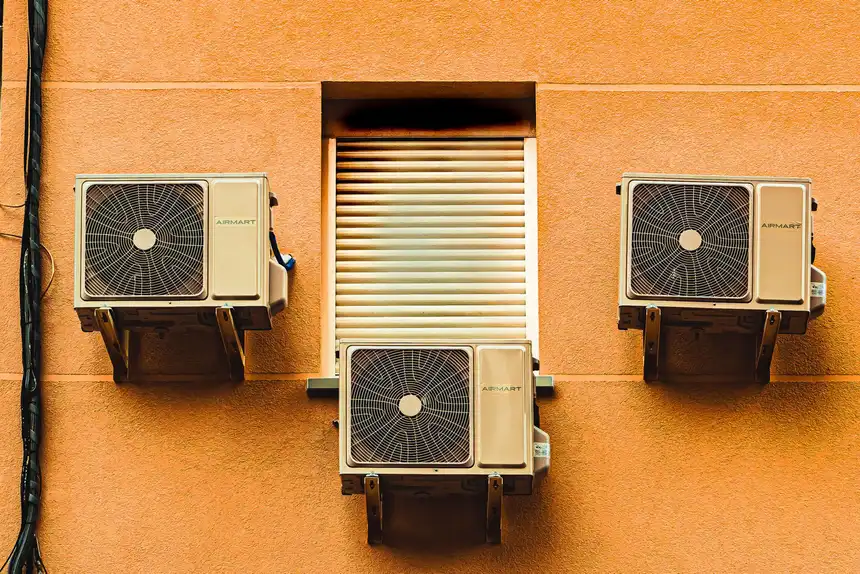
A spring tune-up keeps your AC running through the Linden summer. We clean coils, check charge, test capacitors, and flush drains. Customers on a maintenance plan get priority scheduling when something breaks.
View service
Call us at +1 973-929-2540 or email info@hvacserviceslindennj.com. We answer the phone 24/7 for emergencies. For non-emergency service, we can usually schedule a same-day or next-day visit. Our office is in Linden, New Jersey, and we serve all of Union County.