Focused arrival windows
Useful updates and clear arrival timing.
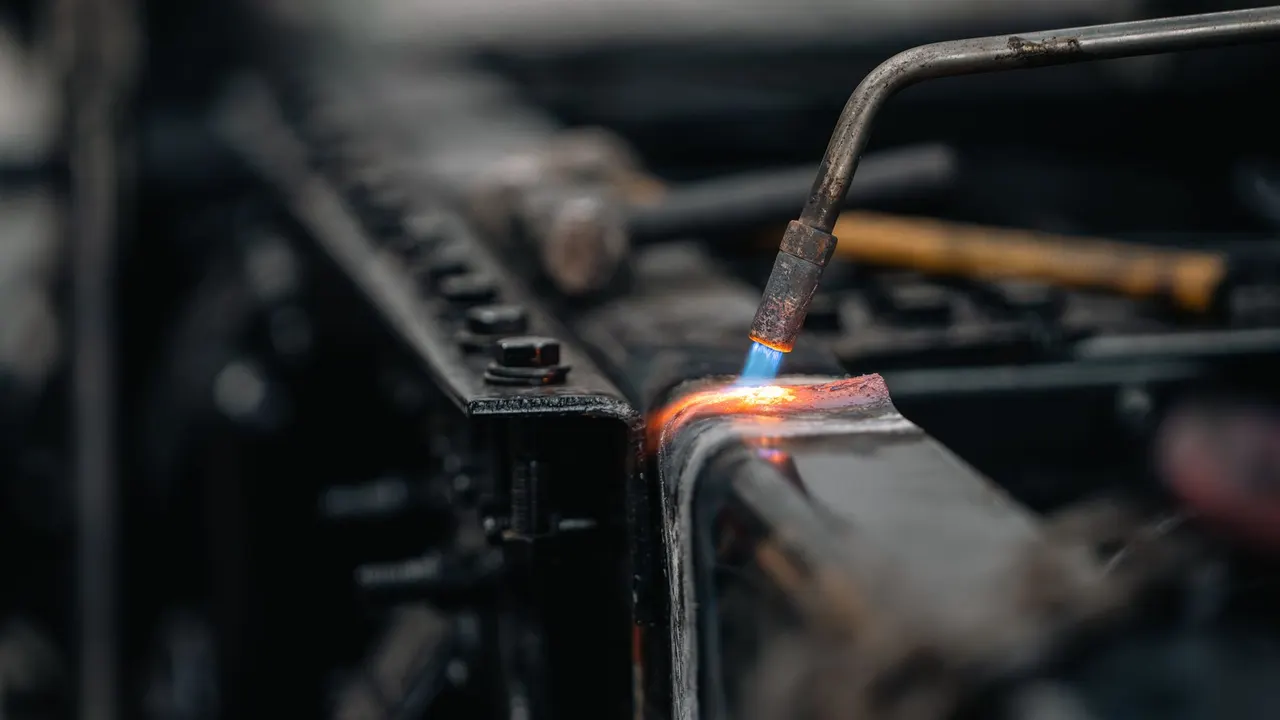
When your heat quits on a January night or your AC freezes in July, you need HVAC in Springfield that answers the phone and shows up. We run repair, replacement and maintenance calls across 07081, from Springfield Center to the Summit border, and we stock the parts that fail most: capacitors, contactors and igniters. One call, one truck, one fix.
Useful updates and clear arrival timing.
Review the approach and price before deciding.
Equipped vehicles and respectful cleanup.
Neighbors serving neighbors with follow-through.
HVAC in Springfield is the work of keeping heat moving through a town that gets both ends of New Jersey weather: single-digit January mornings and 95-degree July afternoons. We run service trucks into 07081 every week, covering Springfield Center, the Millburn border, Mountain Avenue and Morris Avenue, and we know which streets have 1920s radiators and which have newer heat pumps. That matters when your furnace quits at 6 a.m. and you need a real diagnosis, not a sales pitch. Our techs carry a manifold gauge set, vacuum pump, leak detector and combustion analyzer on every truck, so most heating repair Springfield calls get fixed on the first visit. We handle gas, oil and electric systems, and we pull the township permits when a replacement needs them. Whether it is a cracked heat exchanger in a Morris Avenue colonial or a failed compressor near the Route 22 Corridor, we treat it like our own house.
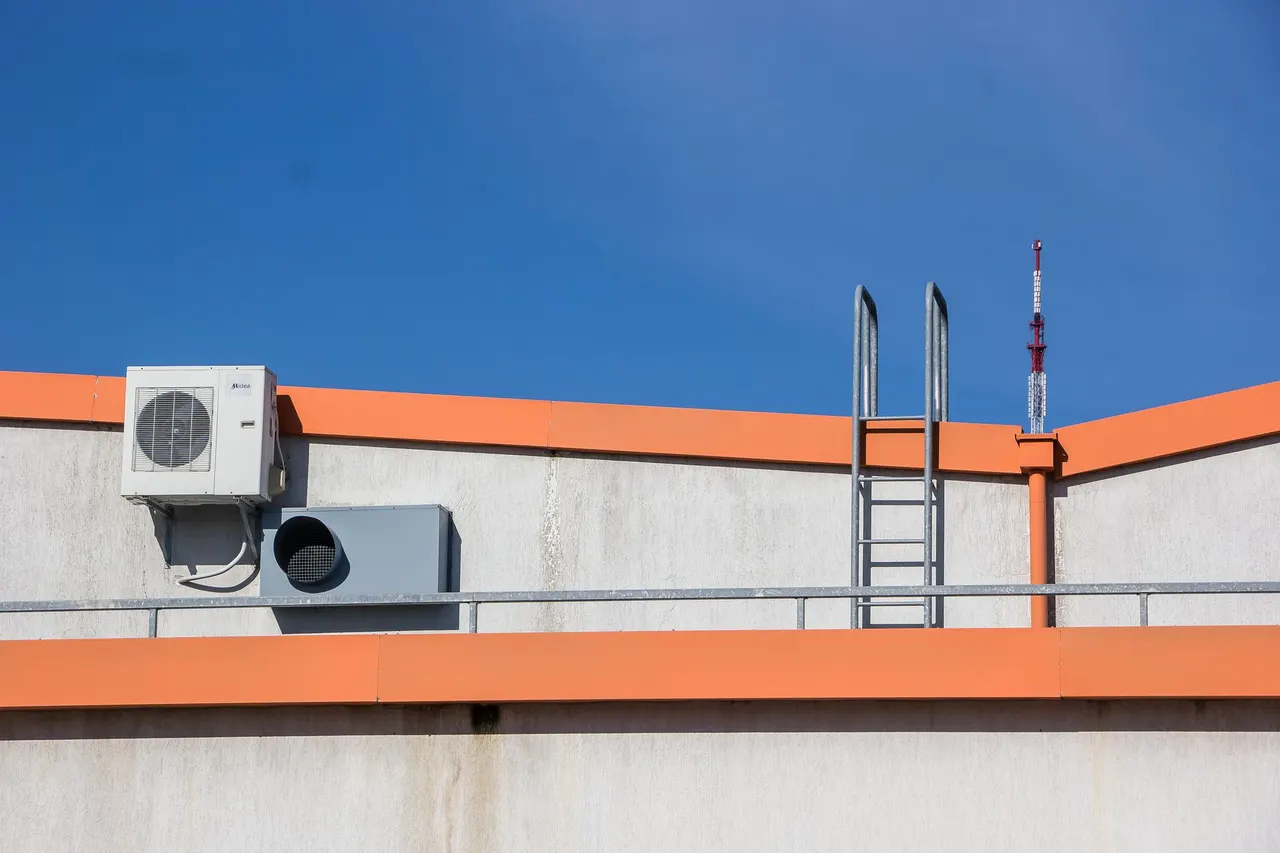
Springfield heating and cooling demand runs in two hard seasons, and we staff for both. From November through March, most calls are no-heat emergencies and furnace tune-ups. From June through August, it flips to AC repair and refrigerant leak diagnostics. If you are searching for HVAC repair near me Springfield NJ at 11 p.m., we answer. Below is what we run in 07081 and the surrounding streets.
Most AC repair calls in Springfield trace back to a bad capacitor, a clogged condensate drain or a refrigerant leak. We test the system with a clamp meter and manifold gauge set, find the actual fault, and repair it the same visit whenever the part is on the truck. Older homes near Springfield Center often need drain line clearing as much as electrical work.
View service →02New AC installation in Springfield means sizing the system to the house, not to the old unit. We run an ACCA Manual J load calculation, check duct sizing with a duct blaster, and set the equipment so it dehumidifies properly in July. Homes along the Millburn border with finished basements get special attention on return air.
View service →03When a compressor fails or a coil leaks R-410A faster than it can be topped off, replacement beats repair. We replace AC systems across 07081, haul away the old condenser, and flush or replace the copper line set. Most replacements are done in a single day, and we pull the township permit when the scope requires it.
View service →04A spring tune-up in Springfield catches the problems that turn into August emergencies. We clean the evaporator coil, check capacitor microfarads, flush the condensate drain, and measure static pressure. Customers on Mountain Avenue and Morris Avenue who book maintenance every year see fewer mid-summer breakdowns and lower electric bills.
View service →05Central air installation in Springfield's older homes usually means working with existing sheet metal ductwork and fiberglass duct insulation. We inspect the ducts first, seal what leaks, and size the new system to the actual room-by-room load. That is how you avoid a second-floor bedroom that never cools.
View service →06Mini-splits solve the rooms central air cannot reach: additions, converted attics, and older Springfield homes with no ductwork. We install Mitsubishi Electric and Daikin systems, run the line set cleanly, and set the heads so they heat in winter as well as cool in summer. A single-zone job is usually done in a day.
View service →07Mini-split repair in Springfield often comes down to a dirty blower wheel, a failed control board or a slow refrigerant leak at the flare connections. We pressure-test the line set, check the flare torque, and clean the indoor head. Most units are back to full output the same day.
View service →08Heat pumps are a strong fit for Springfield because they handle both the cold snaps and the humid summers. We install cold-climate units from Carrier, Trane and Bosch, size them with a Manual J, and set the defrost controls so the system does not short-cycle in January. Ducted and ductless options are both available.
View service →09When a heat pump stops heating in Springfield, the culprit is usually a failed reversing valve, a bad defrost board or a refrigerant charge issue. We diagnose with a manifold gauge set and multimeter, then repair. We also check the auxiliary heat strips, which is what keeps your house warm when outdoor temps drop into the teens.
View service →Springfield HVAC work is shaped by the town's building stock and its winters. Half the homes in 07081 were built before 1960, which means original ductwork, undersized returns and furnaces that have been patched repeatedly. The other half are newer builds with tight envelopes and right-sized equipment. We size every replacement with an ACCA Manual J load calculation and check duct sizing against ACCA Manual D, because guessing is how you end up with a second-floor bedroom that never cools. In winter, we see no-heat calls from the first hard freeze in December through March, and we run emergency dispatch around the clock. If you need Springfield NJ furnace repair open now at 11 p.m., we answer and dispatch the closest truck. We pull township permits for replacements, and we follow the New Jersey HVACR License requirements and NEC Electrical Code on every job.
Homes built before 1960 in Springfield Center and along Morris Avenue often have return ducts sized for gravity furnaces, not modern air handlers. The system runs long cycles, overheats in heating mode, and never quite keeps up in summer. We measure static pressure with an anemometer and check return sizing before we quote a replacement. If the return is undersized, we add a return or upsize the existing one. That single fix often solves comfort complaints that three prior service calls could not.
Springfield winters drop into the teens and single digits, which forces heat pumps onto auxiliary electric resistance heat. That spikes electric bills and, if the aux heat is undersized or the defrost board is failing, leaves the house cold during the coldest hours. We test the defrost board, verify the reversing valve, and check the aux heat strips on every heat pump call. For replacements, we spec cold-climate units from Mitsubishi Electric, Daikin or Bosch that hold capacity down to lower outdoor temps, so the system leans on aux heat less often.
Businesses along the Route 22 Corridor cannot afford a full day of downtime. Rooftop units that fail during business hours cost real money, and scheduling service around store hours takes coordination. We schedule commercial HVAC work along Route 22 for early morning or after close, and we stock the capacitors, contactors and belts that cause most rooftop failures. When a unit is down during business hours, we dispatch and get it running the same day whenever possible.
Springfield requires a permit for furnace and AC replacements, and the work has to be inspected. We pull the permit, schedule the inspection, and make sure the installation passes the first time. Skipping the permit creates a problem when you sell the house.
HVAC work in New Jersey has to be performed under a licensed HVACR contractor. Our technicians work under that license, which covers refrigerant handling, gas piping connections and combustion testing. It is not optional, and it protects you if something goes wrong.
Refrigerant handling is regulated under EPA Section 608, and R-410A systems require specific certification. Every tech who touches a refrigerant circuit on your system holds that certification. It is also why we recover refrigerant with a recovery machine instead of venting it.
Springfield heating and cooling problems track the town's housing stock and its weather. Older homes near Springfield Center and Mountain Avenue have ductwork that was never sized for modern equipment. Newer builds near the Millburn border have tight envelopes that can short-cycle a heat pump. And the cold winters push every system to its limit. These are the four problems we see most.
Furnaces in Springfield's pre-1960 homes have often been repaired for decades without a full inspection. Repeated heating and cooling cycles crack the metal, and a cracked heat exchanger can leak carbon monoxide into the home. We inspect the heat exchanger on every furnace call and use a combustion analyzer to check for CO. If it is cracked, we tell you immediately and walk you through replacement options. We never patch a cracked exchanger.
AC systems older than 10 years in Springfield commonly develop slow leaks at flare joints, Schrader valves or the evaporator coil. R-410A systems lose charge slowly, so the problem shows up as reduced cooling rather than a total failure. We use an electronic leak detector and pressure testing to find the leak, not just top off the charge. Then we repair the leak, pull a deep vacuum with a vacuum pump, and recharge by weight to the manufacturer's spec.
Springfield summers are humid, and AC systems pull a lot of moisture out of the air. That water runs through a PVC condensate drain that can clog with algae and dust, causing water to back up and trip the float switch. We flush the condensate drain on every AC maintenance visit and install a safety float switch if one is missing. If your system is already backing up, we clear the line and check the drain pan for cracks.
Commercial rooftop units along the Route 22 Corridor run long hours in summer, and the capacitors and contactors take the wear. A failed capacitor stops the compressor or the condenser fan, and the unit stops cooling. We stock capacitors and contactors on every commercial truck, so most rooftop failures are repaired on the first visit. We also check amp draw and refrigerant charge after the repair to confirm the unit is running to spec.
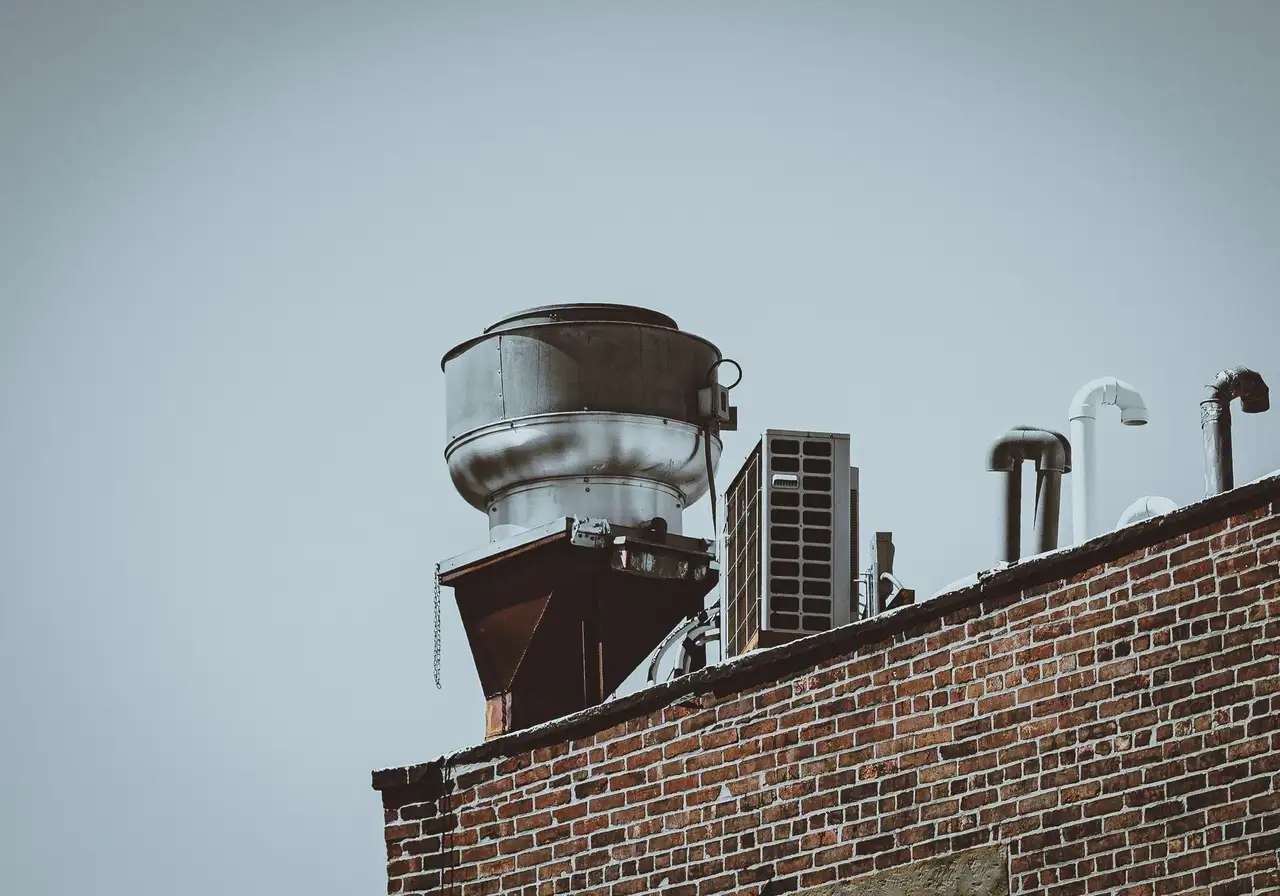
Typical 2026 pricing in Springfield runs $180 to $450 for a standard repair, depending on the part and how long the diagnosis takes. A capacitor or igniter replacement sits at the low end. A blower motor, control board or refrigerant leak repair sits at the high end. AC and furnace replacements run $5,500 to $12,000 installed, depending on system size, efficiency rating and whether ductwork needs sealing. Mini-split installs run $3,500 to $8,000 for a single zone, more for multi-zone. We quote upfront before we start, and the price we give you is the price you pay. No surprise line items when the job is done.
Carrier, Trane and Lennox parts are usually on the truck, so repairs are same-day. Less common brands or older equipment may need a parts order, which adds a day. We tell you upfront if a part needs to be ordered.
A 2-ton AC replacement costs less than a 4-ton system, and a high-efficiency furnace costs more than a standard one. We quote both options so you can see the difference in upfront cost and long-term energy use.
If your Springfield home has leaking or undersized ducts, sealing or modifying them adds to the job. We measure duct leakage before we quote, so the number you see includes the ductwork if it needs work.
Springfield is easy to work once you know the landmarks. We route trucks by the Springfield Train Station, the Municipal Building and the Route 22 Corridor, and we use Watchung Reservation as the western boundary when we are scheduling calls near the Summit and Millburn borders. Knowing where Jonathan Dayton High School sits helps us time arrivals around school-hour traffic on Mountain Avenue. These are orientation points for us, not sales lines. They help us get to your driveway faster.
The train station is a reliable orientation point for calls in Springfield Center. We use it to route around the morning and evening commuter traffic on Morris Avenue, which can add 10 minutes to a cross-town trip.
The Municipal Building is where we pull replacement permits and schedule inspections. Knowing its location helps us plan jobs that need a permit and inspection on the same day as the installation.
Watchung Reservation marks the western edge of our Springfield coverage. We use it as a boundary reference when scheduling calls near the Summit and Millburn borders, where the roads wind and GPS is unreliable.
The high school sits near Mountain Avenue, and school-hour traffic affects arrival times on that corridor. We schedule morning calls around drop-off and afternoon calls around dismissal so we are not stuck in the pickup line.
Route 22 is the main commercial artery through Springfield. We use it to route between residential calls and commercial rooftop service, and it is the fastest east-west run across town outside of rush hour.
The Route 22 Corridor is Springfield's main commercial strip, with retail, restaurants and service businesses running along the highway. Rooftop HVAC units here run long hours and need scheduled maintenance to avoid mid-day failures.
The Springfield Center business district has smaller storefronts and offices with split systems and packaged units. These are typically smaller-tonnage systems, and service calls are often scheduled before opening or after close.
The train station sits in Springfield Center and is a useful landmark for routing. Commuter traffic around it peaks in the morning and evening, which affects arrival times on nearby streets.
Route 22 runs east-west through Springfield and connects to Union, Mountainside and Scotch Plains. It is the fastest route across town outside of rush hour and the main access for commercial calls.
We run service trucks through Springfield every week, and the calls change block by block. Springfield Center has older homes with original ductwork. The Millburn border has larger houses with zoned systems. Mountain Avenue and Morris Avenue mix older colonials with newer builds. Knowing the housing stock on each street saves diagnostic time and gets your heat or AC back faster.
Springfield Center has a dense mix of pre-1960 homes with original ductwork and updated mechanicals. We see a lot of undersized returns, duct leakage and furnaces that have been repaired repeatedly. Many of these homes need duct sealing alongside a new system to actually deliver comfort. Minutes from our main route, so Springfield Center calls usually get same-day dispatch.
Homes along the Millburn border tend to be larger, with zoned systems and finished basements. We see more heat pump and dual-fuel setups here, and more calls about second-floor temperature imbalance. Zoning and duct design matter more than equipment size on these streets. A short run down Springfield Avenue, typically a 15-minute arrival window.
The Summit border has a mix of older colonials and renovated homes with mini-splits and high-velocity systems. Ductless calls are common here because the older homes have no room for conventional ductwork. We install and service Mitsubishi Electric and Daikin heads on these streets regularly. Reached via Morris Avenue, usually within 20 minutes of dispatch.
Mountain Avenue runs through some of Springfield's older housing stock, where furnaces and AC systems are often original to the home or one generation old. Cracked heat exchangers, failed capacitors and refrigerant leaks are the calls we run most here. Fall maintenance catches most of these before winter. Direct route from our staging area, so Mountain Avenue calls are typically same-day.
These are real jobs we have run in Springfield. They show what the calls actually look like: a no-heat emergency on a January night, a mini-split install in an older home with no ductwork, and a rooftop unit on Route 22 that needed to be back online before opening. The numbers are what the customer actually saw.
A homeowner on Mountain Avenue called at 11 p.m. in January with no heat. The furnace was running but blowing cold air, and the house had dropped to 58 degrees. We dispatched the closest truck and arrived in 40 minutes. The flame sensor was coated and the igniter was cracked. We replaced both, cleaned the burners, and tested combustion with a combustion analyzer. Total on-site time was about 90 minutes. Heat was restored the same night. The homeowner booked a fall maintenance plan, and the furnace ran the rest of the winter without a call.
A 1940s home near Springfield Center had no ductwork and a second-floor addition that was always too hot in summer and too cold in winter. The homeowner wanted a solution that did not involve tearing up walls. We installed a two-zone Mitsubishi Electric ductless mini-split system, one head for the addition and one for the main living area. We ran the line set through a closet chase and set the outdoor unit on a wall bracket to keep it above snow line. The addition now holds temperature within 2 degrees year-round. The homeowner dropped a window AC unit and a space heater, and reported lower electric bills the following summer.
A retail business on the Route 22 Corridor had a rooftop unit fail on a Friday afternoon in July. The store was facing a weekend with no cooling and a full schedule of customers. We dispatched a commercial tech the same afternoon. The compressor contactor had burned out and the capacitor was out of spec. We replaced both, checked the refrigerant charge with a manifold gauge set, and verified the unit was pulling the correct amp draw. The unit was back online within three hours of the call. The business stayed open through the weekend and signed up for quarterly rooftop maintenance.
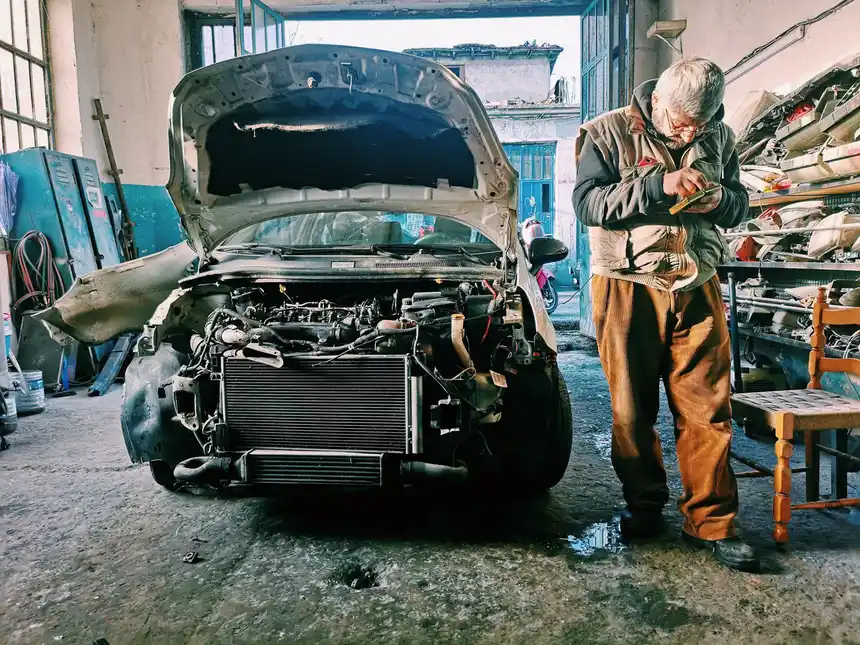
Our furnace quit on a Sunday night in January and the house was down to 60 degrees by morning. I called at 6 a.m. and a real person answered. The tech was at our door by 8 and had the igniter and flame sensor replaced by 9:30. He showed me the old parts and explained what failed. No upsell, no pressure. We are on their maintenance plan now.
We have a 1920s house near Springfield Center with no ductwork, and the upstairs addition was unusable in summer. They installed a two-zone mini-split and ran the lines cleanly through a closet. The crew was careful with the plaster walls and cleaned up after themselves. The upstairs is finally comfortable in July and warm in January.
Our AC stopped cooling during the July heat wave. They came out the same day, found a failed capacitor and a slow refrigerant leak at a flare joint. Fixed both, recharged the system, and the house was cool by dinner. Price was fair and they did not try to sell me a new system when a repair would do.
Springfield runs four distinct seasons, and each one puts different stress on your system. Winter drives heating demand hard, summer drives cooling and dehumidification, and the shoulder seasons are when you should be doing maintenance. If you are looking for affordable heating and cooling Springfield New Jersey, timing your service to the season saves money.
Spring in Springfield is AC tune-up season. Systems that sat idle all winter often have dirty coils, clogged drains and capacitors that are out of spec. Booking a tune-up in April or May catches these before the first heat wave.
Summer is peak AC season in Springfield, with July and August driving the most no-cool calls. Refrigerant leaks, failed capacitors and frozen coils are the top three problems. Humidity also makes condensate drain clogs common.
Fall is furnace tune-up season in Springfield. The first hard freeze usually hits in late November or early December, and that is when no-heat calls spike. A fall tune-up catches igniter, flame sensor and heat exchanger problems before you need the heat.
Winter is when Springfield heating systems earn their keep. Single-digit nights push furnaces and heat pumps to their limits, and that is when cracked heat exchangers, failed igniters and bad capacitors show up. Emergency no-heat calls run around the clock.
Springfield sits in the middle of our Union County service area, so we cover the towns around it on the same routes. If you are in Cranford, Westfield, Union, Elizabeth, Edison or Woodbridge, we can usually get a truck to you the same day. The same technicians who run Springfield calls cover these towns, so the experience is the same.
Cranford is a short run southeast of Springfield via Route 22 or Springfield Avenue. Many of our Springfield customers have family in Cranford, and we pick up calls there on the same routes.
Local coverage and details
Westfield sits directly south of Springfield. We run calls between the two towns daily, and the housing stock is similar: older homes with original ductwork and a mix of furnaces and heat pumps.
Local coverage and details
Woodbridge is a longer run southeast, but we cover it on the same dispatch schedule. Commercial rooftop work along Route 1 and Route 9 often pairs with our Springfield commercial calls.
Local coverage and detailsElizabeth is east of Springfield via Route 22 and the Garden State Parkway. We serve both residential and commercial calls there, and the trucks that cover Springfield often roll into Elizabeth the same day.
Local coverage and detailsNot every HVAC contractor in Springfield is the same, and the difference shows up in the details. A good contractor runs a load calculation before quoting a replacement, pulls the township permit, and carries the parts to fix your system on the first visit. A weak one quotes a size off the old unit and leaves the permit to you. These are the questions that separate the two.
HVAC work in New Jersey has to be performed under a licensed HVACR contractor, and the company should carry general liability and workers comp. If they cannot show you a license and a certificate of insurance, keep looking.
A proper replacement starts with an ACCA Manual J load calculation, not a guess based on the old unit's size. If a contractor quotes a size without measuring the house, the new system may be oversized or undersized, and you will feel it.
Springfield requires a permit for furnace and AC replacements, and the work has to be inspected. A contractor who asks you to pull the permit is shifting the risk to you. We pull it and schedule the inspection.
We install Carrier, Trane, Lennox, Goodman, Rheem, York, Mitsubishi Electric, Daikin, Bryant, American Standard, Navien and Bosch. Manufacturer warranties vary by brand and tier, and we stand behind our labor separately. Ask for both in writing.
A no-heat call in January cannot wait until Monday. Ask whether the company dispatches 24/7 and what the typical response time is. We aim for 60 to 90 minutes on urgent calls in 07081.
North American Technician Excellence
U.S. Environmental Protection Agency
U.S. Environmental Protection Agency
Air-Conditioning, Heating, and Refrigeration Institute
$2M general liability and workers compensation
Member
Member
Member
Most HVAC service calls in Springfield run $180 to $450 in 2026, depending on the part and diagnosis time. Capacitor and igniter replacements sit at the low end. Blower motors, control boards and refrigerant leak repairs sit at the high end. Replacements run $5,500 to $12,000 installed. We quote upfront before we start work.
The best HVAC contractor in Springfield NJ is the one that answers the phone, runs a load calculation before quoting a replacement, and pulls the township permit. Ask for a New Jersey HVACR license, proof of insurance, and a written warranty on both parts and labor. We meet all of those, and we will show you the paperwork.
Yes. We run 24/7 emergency HVAC Springfield NJ dispatch, including holidays. No-heat calls in winter and no-cool calls in summer get priority, and we aim to have a truck at your door within 60 to 90 minutes for urgent calls in 07081. A real person answers the phone, not a call center.
We install and service Carrier, Trane, Lennox, Goodman, Rheem, York, Mitsubishi Electric, Daikin, Bryant, American Standard, Navien and Bosch. Our trucks carry common parts for most of these brands, so repairs are often same-day. If a part needs to be ordered, we tell you upfront.
Twice a year: once in spring for the AC and once in fall for the furnace. Springfield's cold winters and humid summers push both sides of the system hard. An annual tune-up catches failing capacitors, dirty coils and cracked heat exchangers before they turn into emergency calls.
Not seeing your question? Our local team can help you understand urgency, scheduling and what to expect.
Ask the local team
Call us at +1 973-929-2540 or email info@hvacserviceslindennj.com. We answer the phone 24/7 for emergencies. For non-emergency service, we can usually schedule a same-day or next-day visit. Our office is in Linden, New Jersey, and we serve all of Union County.