Focused arrival windows
Useful updates and clear arrival timing.
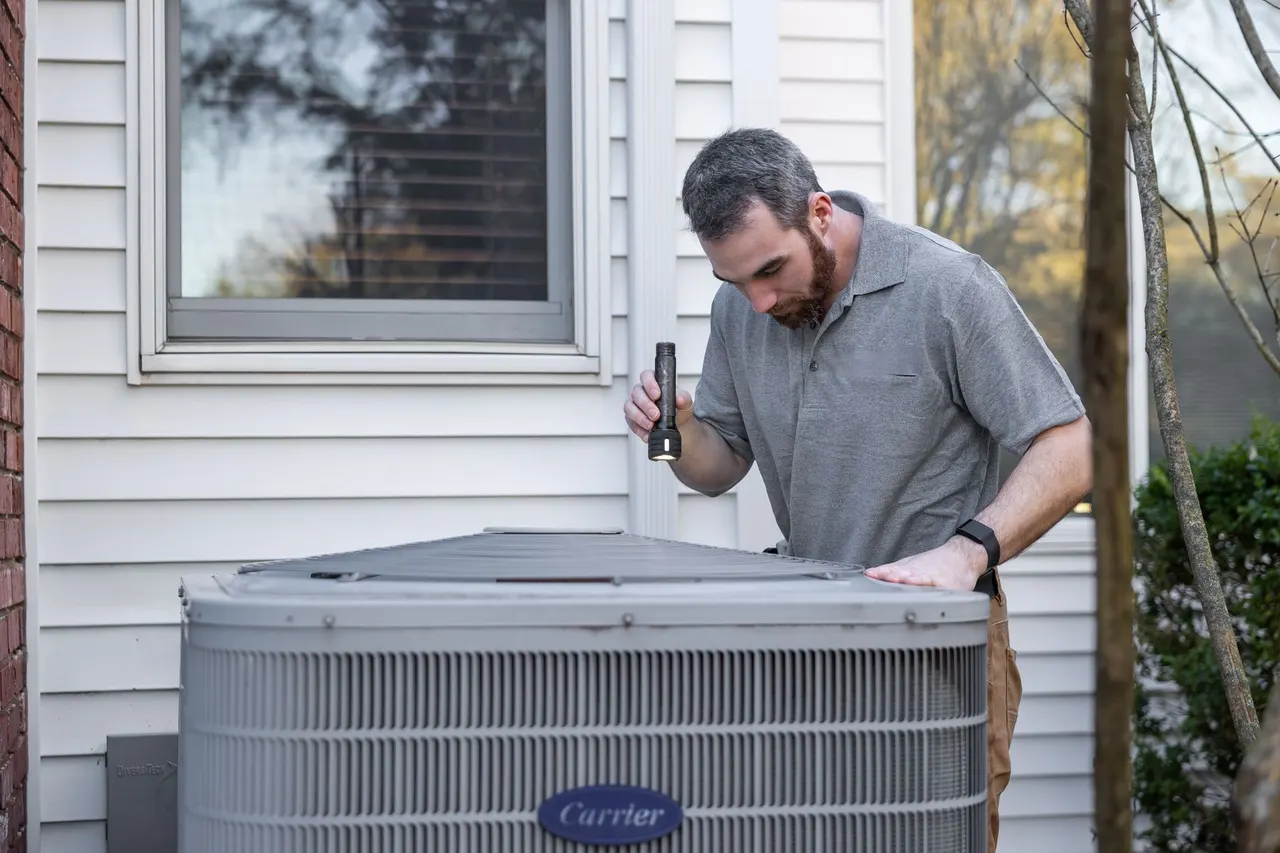
HVAC Maintenance in Linden is a scheduled service visit where we clean, test, and adjust your furnace, AC, or heat pump before it fails. If you own a home or run a business in Linden, New Jersey, a fall or spring tune up catches worn capacitors, dirty coils, and low refrigerant while they are still cheap to fix. We work on every major brand.
Useful updates and clear arrival timing.
Review the approach and price before deciding.
Equipped vehicles and respectful cleanup.
Neighbors serving neighbors with follow-through.
Every tune up covers the full inspection, cleaning, and testing of your system. Repairs found during the visit are quoted separately, and you approve them before we start. Here is what you get on a standard visit.
We replace your air filter and check airflow at the registers with an anemometer. Restricted airflow is one of the most common causes of frozen coils and high energy bills. If your ductwork is undersized, we tell you and quote a fix.
The evaporator coil gets washed and the blower wheel gets pulled and cleaned. A dirty coil cuts cooling capacity and pushes your compressor harder. Cleaning it restores the system to its rated performance instead of letting it strain.
We test capacitors, contactors, and relays with a multimeter and clamp meter. A weak capacitor is the number one cause of no-cool calls in summer. Catching it during a tune up means you replace a $20 part instead of a $1,200 compressor.
We check refrigerant charge with a manifold gauge set and adjust to manufacturer spec. If the charge is low, there is a leak, and we locate it with a leak detector before adding R-410A or R-32. Topping off without fixing the leak just delays the problem.
On gas and oil systems, we test the heat exchanger for cracks and measure combustion with a combustion analyzer. We also check the flue pipe and clear the condensate drain. This is the safety portion of the visit, and we never skip it.
You get a written report with readings, photos, and a plain-English summary. If a part is wearing out, we tell you now so you can plan the repair. No surprise invoices, no pressure to buy anything you do not need.
Share what is happening and receive a clear next step from the local team.
HVAC Maintenance in Linden is the scheduled service visit where a technician inspects, cleans, and tests every moving and electrical part of your heating and cooling system. We pull the blower assembly, wash the evaporator coil, check the capacitor and contactor, test the igniter and flame sensor, and measure refrigerant charge with a manifold gauge set. We also flush the PVC condensate drain, check the flue pipe, and swap your air filters. A proper visit takes 60 to 90 minutes per system.
Linden sits in Union County where summers push 95 degrees and winters drop below 20, so your system runs hard in both directions. That swing wears parts faster than a mild climate would. Most breakdowns we see, from a frozen AC unit in July to a cracked heat exchanger in January, started as a small issue a tune up would have caught. If you have been searching for an HVAC tune up near me Linden NJ, that is exactly the call we handle every week.
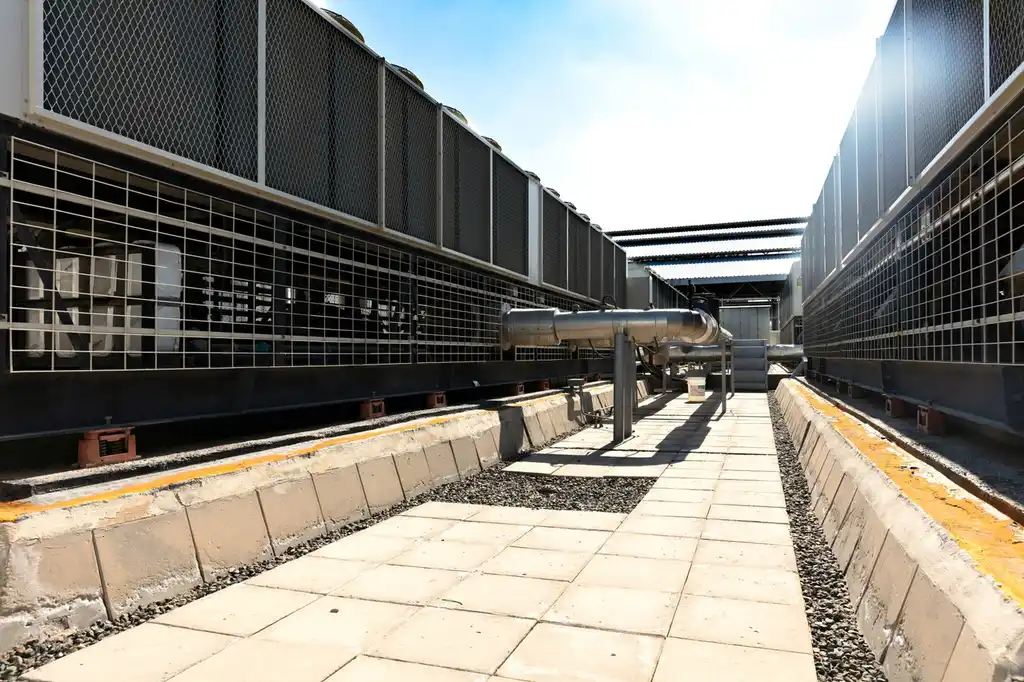
Call or book online and we schedule a two-hour arrival window, not a full day. We confirm the brand and model of your equipment so the truck rolls with the right parts. Most Linden addresses get same-week scheduling in spring and fall, and same-day if you are without heat or cooling.
The technician starts with a full walkthrough: thermostat calibration, filter condition, and a visual on the indoor and outdoor units. We check the copper line set for rub-through, look at the PVC condensate drain for algae clogs, and inspect the flue pipe on gas systems. This takes about 15 minutes.
We wash the evaporator coil, pull and clean the blower wheel, and clear the condensate trap. Then we test the capacitor and contactor with a multimeter and clamp meter, check the igniter and flame sensor, and verify refrigerant charge with a manifold gauge set. Dirty parts get cleaned, weak parts get flagged.
We use an anemometer to check airflow at the registers and a duct blaster if we suspect duct leakage. Refrigerant charge gets adjusted to the manufacturer spec, and the thermostat gets recalibrated. If we find a refrigerant leak, we locate it with a leak detector before adding a single ounce of R-410A or R-32.
You get a written report with readings, photos, and a plain-English summary of what is good and what needs attention. If a part is on its way out, we tell you now so you can plan the repair instead of getting surprised. No work happens without your go-ahead, and pricing is quoted upfront.
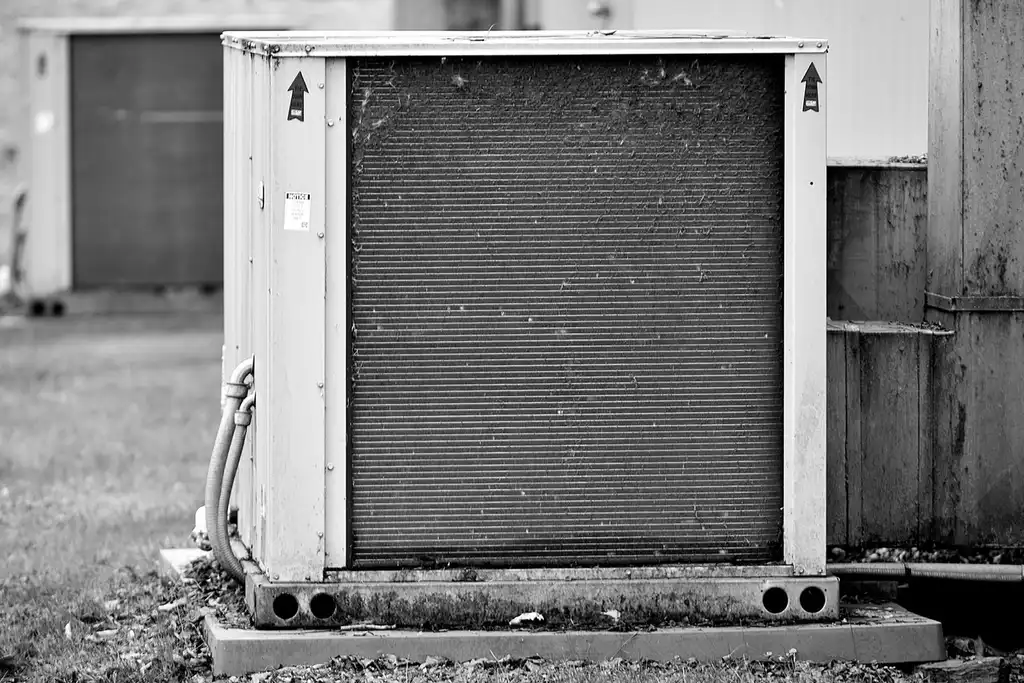
Used to measure refrigerant pressure on the high and low side of the system. We compare readings to manufacturer spec to verify charge and catch leaks before they cause a compressor failure.
Used to test capacitors, contactors, and electrical draws. A clamp meter tells us how many amps the compressor is pulling, which is how we catch a failing part before it quits.
Used to pinpoint refrigerant leaks in the line set, coil, or fittings. Finding the leak is what makes a repair last instead of just topping off the charge and waiting for it to drop again.
Used on gas and oil furnaces to measure combustion efficiency and check for carbon monoxide. This is the tool that catches a cracked heat exchanger or a burner that is out of adjustment.
Used to measure duct leakage. In older Linden homes, leaky ductwork can waste 20 to 30 percent of your conditioned air. If we find leakage, we quote sealing or duct repair.
Used to measure airflow at the registers. Low airflow points to a dirty coil, a clogged filter, or undersized ductwork. We use the reading to decide what to clean or adjust.
Used when we open the refrigerant circuit for a repair. The recovery machine captures refrigerant per EPA rules, and the vacuum pump pulls the system down before we recharge it to spec.
Our technicians are tested on heating, cooling, and electrical diagnostics through NATE. That means the person in your basement knows how to read a wiring diagram and test a circuit, not just swap parts until something works. It shows up in how fast we diagnose.
Refrigerant handling is regulated, and we follow EPA Section 608 rules on every job. That covers recovery, recycling, and recharge. We also hold EPA R-410A Certification, which matters because most systems in Linden still run on R-410A.
When we size equipment or evaluate ductwork, we follow ACCA Manual J for load calculation and Manual D for duct design. These are the industry standards for getting sizing right. Guessing at size is how you end up with a system that short-cycles or never keeps up.
All work is performed to New Jersey HVACR License requirements, including permits where they apply. We also follow NEC Electrical Code on wiring and OSHA Safety Compliance on the job site. Code-correct work protects you at inspection and at resale.
When we recommend equipment, we reference Energy Star ratings and AHRI Certification so you know the efficiency and capacity numbers are verified. That makes it easier to compare options and pick the system that fits your home and budget.
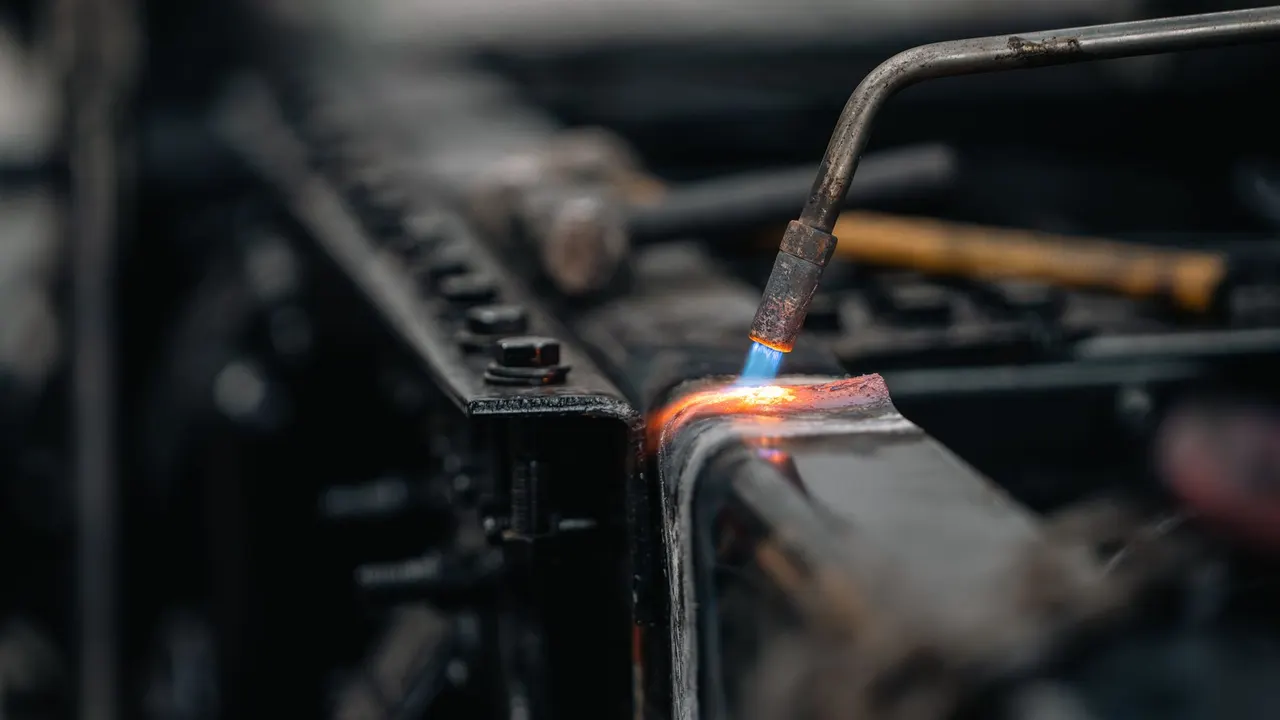
We start with a full tune up and inspection on both the heating and cooling side. We check the age of the equipment, look for prior repairs, and give you a baseline report. From there we set up a spring and fall schedule. You know exactly what you have, what shape it is in, and what to expect over the next few years.
We check airflow, refrigerant charge, and coil condition. Most of the time the issue is a dirty coil, a clogged filter, or a charge that is slightly off. We clean, adjust, and verify performance before we leave. The system runs closer to its rated efficiency and your monthly bill drops back toward normal.
We tune it up and test every component, including the capacitor, contactor, igniter, and flame sensor. If parts are near end of life, we tell you and quote replacements. You get to plan the repair on your schedule instead of an emergency call. You go into winter knowing the system is sound, or knowing exactly what needs replacing and when.
We run a full tune up and give you a written report with readings and photos. That report shows the buyer the system has been maintained, which helps at inspection time. We can also quote any repairs the buyer's inspector flags. You have documentation that supports the sale and fewer surprises during the inspection period.
We call you to schedule the spring or fall tune up. The tech arrives in a two-hour window, runs the full checklist, and leaves a report. Plan members get priority scheduling and a discount on any repair work. Your system stays on schedule without you having to track it, and you get first call on emergency slots.
Linden sits in Union County with a mix of older housing stock and newer construction, and that shapes how we approach tune ups. The older homes near the Rahway border and along Wood Avenue often have original ductwork that leaks 20 to 30 percent of conditioned air. We check those systems with a duct blaster and quote sealing when it makes sense. Newer homes tend to have tighter envelopes, which means proper sizing and airflow matter more than raw capacity. Our winters drop below 20 degrees and summers push past 95, so both the heating and cooling sides of your system get a real workout. If you have been searching for Linden NJ HVAC maintenance open now, we run same-week scheduling and same-day priority calls for no-heat and no-cool situations. A spring and fall HVAC maintenance Linden New Jersey schedule is what keeps a Linden system running through both extremes.
Older homes with original ductwork and smaller mechanical closets. We check airflow carefully because undersized returns are common here, and we look for duct leakage in basements and crawl spaces.
Newer construction with tighter envelopes and modern equipment. Sizing and refrigerant charge matter more than capacity here, and we see more heat pumps and mini-splits in this area.
A mix of post-war homes with furnaces and AC units that are often 15 to 20 years old. Tune ups here focus on capacitor, contactor, and heat exchanger condition.
Larger homes with multiple systems. We tune up each system separately and stagger the visits so nothing gets missed. Zoning and thermostat calibration come up often here.
Older housing stock with oil furnaces still in service. We service oil systems, tune the burner, and check for soot and nozzle issues during the fall visit.
Furnaces and heat pumps run near continuous duty, which wears capacitors, igniters, and blower motors faster. A fall tune up catches weak parts before the cold snap hits.
AC systems run long cycles, which stresses the compressor and makes refrigerant charge accuracy critical. A spring tune up verifies charge and cleans the coil before the heat arrives.
Leaky ducts waste 20 to 30 percent of conditioned air in some Linden homes. We measure with a duct blaster and quote sealing when the numbers justify it.
System age and type vary widely across Linden. We adjust the tune up checklist based on what we find, from oil furnaces to modern heat pumps.
A homeowner near Wood Avenue called in July because the AC was blowing warm air and the outdoor unit was iced over. The filter had not been changed in over a year, and the evaporator coil was fouled. The system was running 12 hours a day and never hitting the thermostat setting.
We replaced the filter, washed the coil, and cleared the condensate drain. Refrigerant charge was verified and adjusted to spec. The system dropped the house to 72 degrees in under an hour, and the homeowner reported a 15 percent drop in the next electric bill.
Maintenance: Change the filter every 90 days and book a spring tune up. Keeping the coil clean is what prevents the freeze from happening again.
During an October tune up on a 14-year-old furnace in Roselle Park, we found a cracked heat exchanger. The homeowner had no idea. The furnace was still running, but combustion readings were off and the crack was visible on inspection with a combustion analyzer and a visual check.
We showed the homeowner the photo and explained the carbon monoxide risk. The furnace was replaced the following week with a new Carrier unit. Combustion tested clean, and the home was safe going into winter.
Maintenance: Book a fall tune up every year and keep the filter clean. A cracked heat exchanger is not something you can see without pulling the panel.
A customer in Cranford booked a spring tune up on a 9-year-old AC. The system was still cooling, but the compressor was pulling higher amps than spec. Our clamp meter reading showed the capacitor was well below its rated microfarad value, and the compressor was working harder to compensate.
We replaced the capacitor during the visit for under $200. The compressor amps dropped back to spec, and the system cooled normally. Without the tune up, the compressor would likely have failed within the season, costing $1,500 or more.
Maintenance: Annual spring tune ups catch weak capacitors before they take out the compressor. It is the single best reason to book a visit.
Most HVAC failures start small and get expensive. Here are the issues we find most often on Linden systems, and what happens if they go unaddressed.
The compressor draws higher amps and eventually fails. A failed compressor means a $1,200 to $2,000 repair, or a full system replacement if the unit is older. We test capacitors with a multimeter on every visit. If yours is reading below spec, we replace it on the spot for a fraction of what a compressor costs. It is the cheapest insurance in HVAC.
Airflow drops, the coil freezes, and the system runs longer to hit the thermostat setting. Your energy bill climbs 10 to 15 percent and cooling capacity drops. We wash the coil and replace the filter during every tune up. If the coil is too fouled to clean, we quote an evaporator coil replacement. Most coils clean up fine and restore full airflow.
Low charge means the system never cools properly and the compressor overheats. Running it low for a season can kill the compressor entirely. We verify charge with a manifold gauge set and locate leaks with a leak detector. Then we repair the leak and recharge to spec. Fixing the leak is what makes the repair last.
A cracked heat exchanger can leak carbon monoxide into your home. It is a safety issue, not just a comfort issue, and it usually means the furnace needs replacement. We inspect the heat exchanger on every fall tune up and test combustion with a combustion analyzer. If we find a crack, we show you the photo and walk you through replacement options the same day.
Water backs up and trips the float switch, shutting the AC off. In bad cases it overflows and damages the ceiling or floor below the air handler. We flush the PVC condensate drain on every visit and clear any algae buildup. If the line is badly clogged, we clear it with a vacuum pump and check the trap. It is a five-minute fix during a tune up.
$150 - $280 per system for a standard tune up; $400 - $550 for an annual maintenance plan covering two visits
Typical 2026 pricing for an HVAC tune up in Linden runs $150 to $280 per system, depending on whether you have a furnace, AC, or heat pump, and how many systems your home has. That covers the full inspection, cleaning, and testing. Repairs found during the visit are quoted separately, and you approve them before we start. Our maintenance plan bundles two visits a year at a discount, which is the most cost-effective way to stay ahead of breakdowns. No hidden fees, no surprise line items.
A tune up costs a fraction of a repair. Catching a weak capacitor during a $200 visit prevents a $1,500 compressor replacement. Catching a cracked heat exchanger prevents a safety emergency. The math is simple: maintain the system and it lasts longer, runs cheaper, and breaks down less.
A home with one furnace and one AC needs two tune ups, one per system. Homes with multiple zones or a second system cost more because each unit gets its own full checklist. We quote per system so you know exactly what you are paying for.
A standard gas furnace or split AC is straightforward. Heat pumps, oil furnaces, and ductless mini-splits take longer because they have more components to test. Oil systems also need burner and nozzle checks, which adds time.
A well-maintained system takes 60 to 90 minutes. A system that has not been serviced in years takes longer because the coil is dirtier and there is more to clean. We quote the visit upfront, so condition does not change the price unless you approve extra work.
If we find a weak capacitor, contactor, or igniter, we quote the part and labor before replacing it. Common parts are on the truck, so most repairs finish the same visit. You decide whether to proceed, and nothing gets added without your okay.
Plan members pay less per visit and get priority scheduling. The plan covers two tune ups a year, which is the schedule we recommend for Linden's climate. It also includes a discount on any repair work found during the visit.
Easy access to the indoor and outdoor units keeps the visit on the shorter end. A unit in a tight attic, a crawl space, or behind a finished wall takes longer. We note access when you book so the quote is accurate.
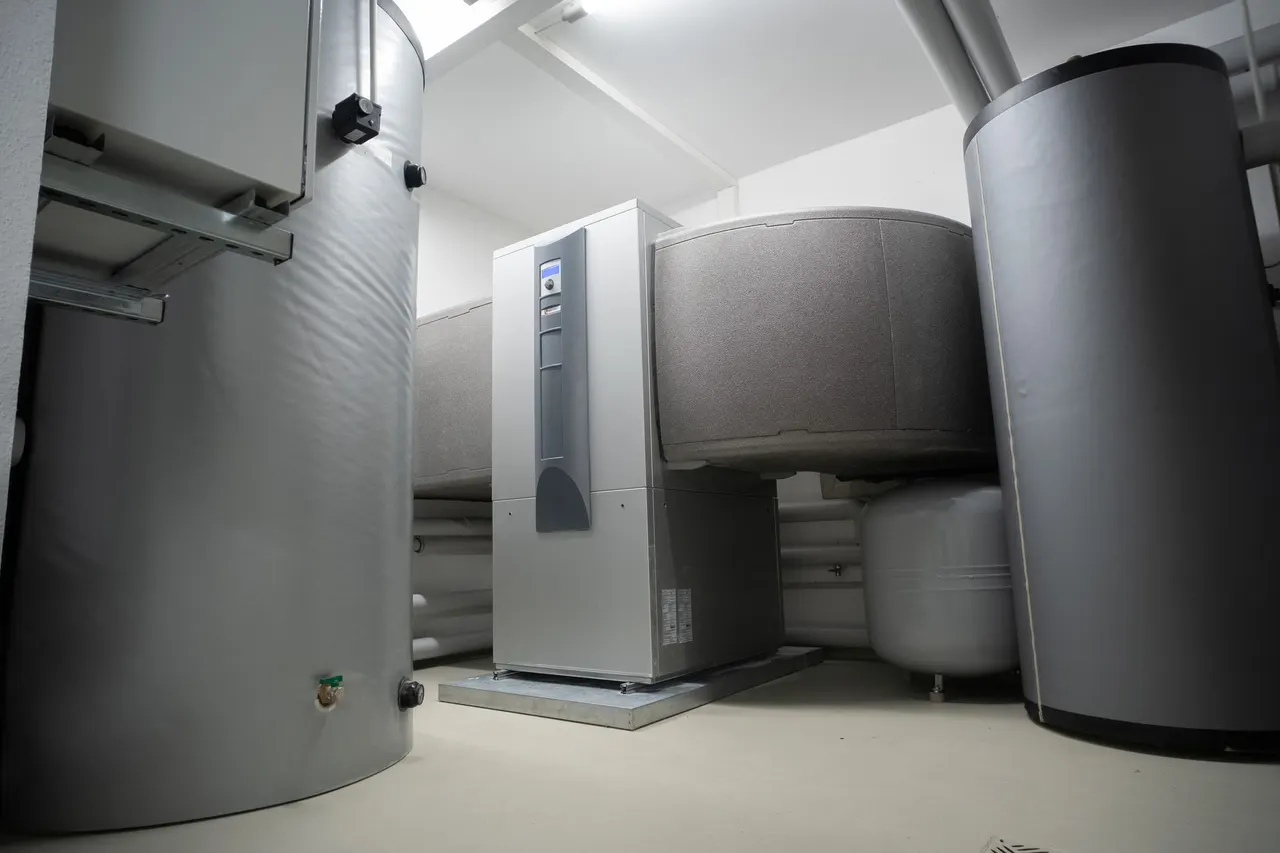
Our techs hold NATE Certification and EPA Section 608 Certification, which means they have been tested on refrigerant handling, electrical diagnostics, and combustion safety, not just trained on the job. We service Carrier, Trane, Lennox, Goodman, Rheem, York, Mitsubishi Electric, Daikin, Bryant, American Standard, Navien, and Bosch equipment. Every job follows ACCA Manual J and Manual D standards for load and duct design, and we work to New Jersey HVACR License requirements on every install and repair. When we open a unit, we know what we are looking at.
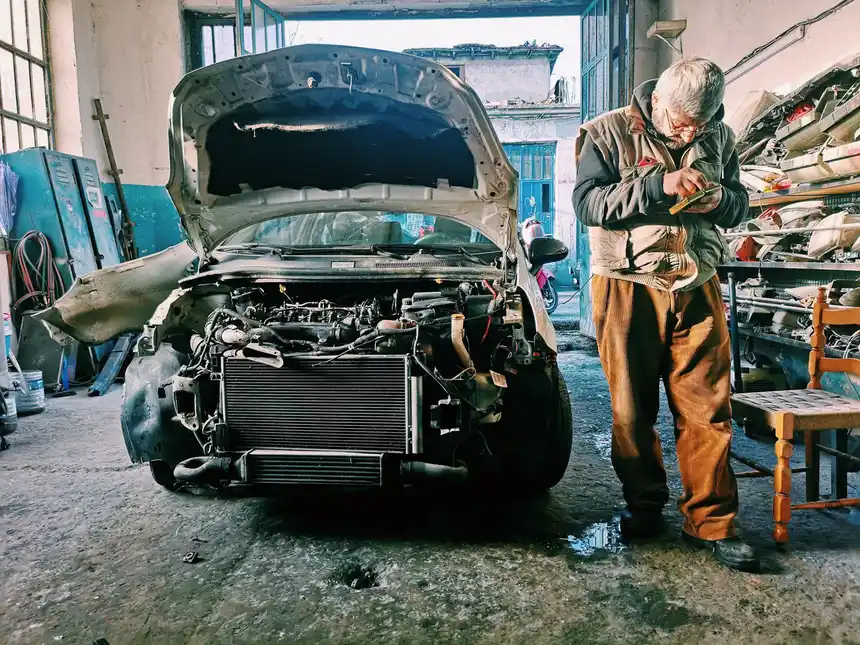
Our AC was struggling every August and we kept putting off a tune up. They came out in May, cleaned the coil, and found a weak capacitor before it failed. The house cooled better than it had in years and the electric bill dropped. Should have called two summers ago.
Furnace tune up in October caught a cracked heat exchanger. They showed me the photo and explained what it meant without scaring me into anything. We replaced the furnace the next week. Having that caught before winter probably saved us a carbon monoxide problem.
Signed up for the maintenance plan after one visit. They book the spring and fall tune ups for us, so I do not have to remember. Tech was on time, wore boot covers, and left a written report with actual readings. That is more than the last company did.
Twice a year: once in spring for your AC and once in fall for your heating system. Linden swings from 95-degree summers to below-freezing winters, so both sides of your system work hard. If you have a heat pump, we still recommend two visits because it runs year-round. Skipping a season is how small issues turn into mid-winter breakdowns.
A standard tune up runs $150 to $280 in 2026, depending on whether you have a furnace, AC, or heat pump, and how many systems your home has. That covers the full inspection, cleaning, and testing. Repairs found during the visit are quoted separately, and maintenance plan members get a discount on both the tune up and any repair work.
Every visit includes filter replacement, evaporator coil cleaning, blower inspection, condensate drain flush, capacitor and contactor testing, igniter and flame sensor check, refrigerant charge verification, and a combustion safety test on gas or oil systems. You get a written report with readings and photos. Anything that needs repair gets quoted before we touch it.
Yes. Our maintenance plan covers two tune ups a year, priority scheduling, and a discount on repairs. We book your spring and fall visits automatically so you do not have to remember. Plan members also get first call on emergency slots during heat waves and cold snaps, when our schedule fills up fastest.
Not seeing your question? Our local team can help you understand urgency, scheduling and what to expect.
Ask the local team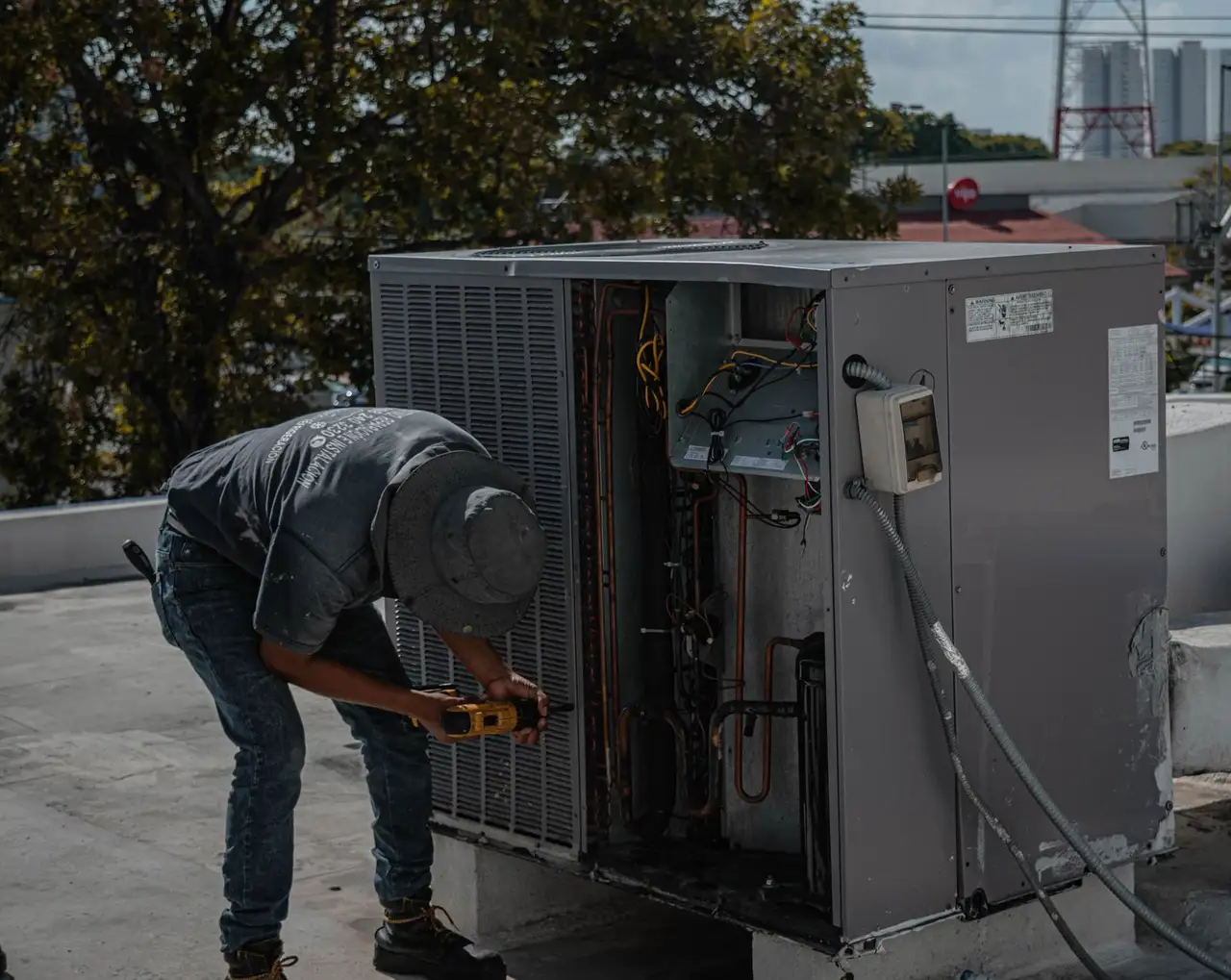
When your AC quits in July, we diagnose and fix it fast. Common calls include a bad capacitor, a frozen AC unit, or a refrigerant leak. We stock parts for Carrier, Trane, and Goodman systems so most repairs finish the same day.
View service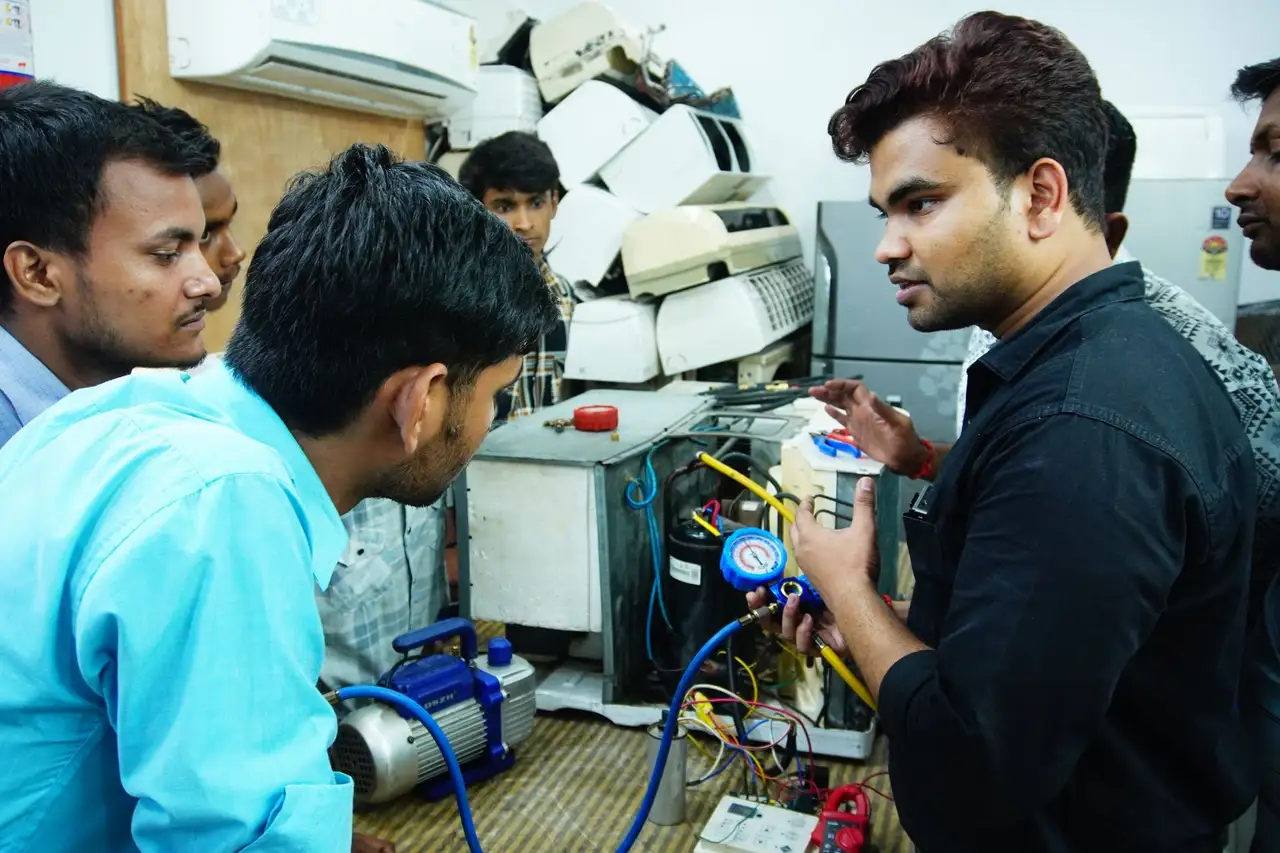
If your old unit is past saving, we size and install a new AC to ACCA Manual J standards. Proper sizing matters more than brand, and we walk you through the options. Installation includes a full duct check and thermostat setup.
View service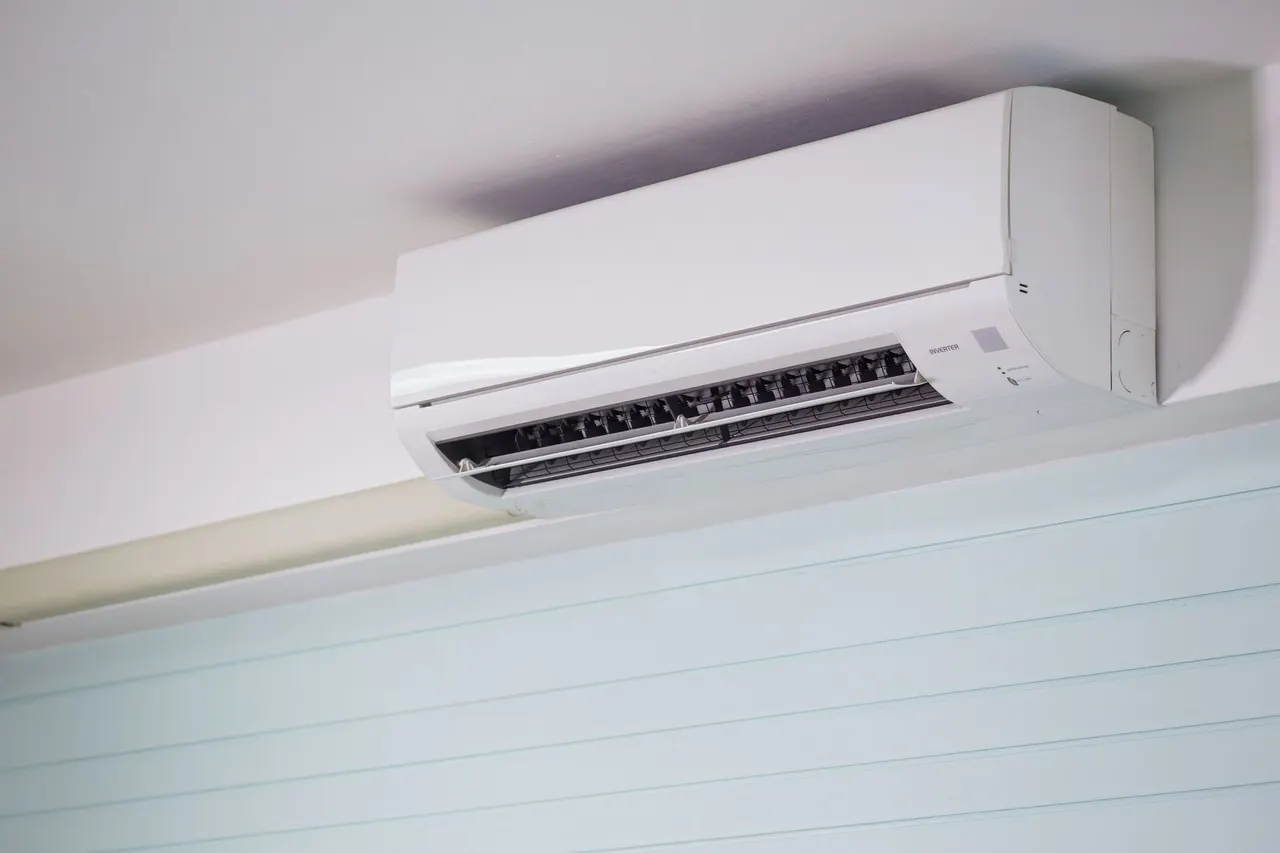
Replacing a failed AC is a big decision, and we make it straightforward. We remove the old unit, install the new one, and verify refrigerant charge and airflow before we leave. Most replacements take one day for a standard split system.
View service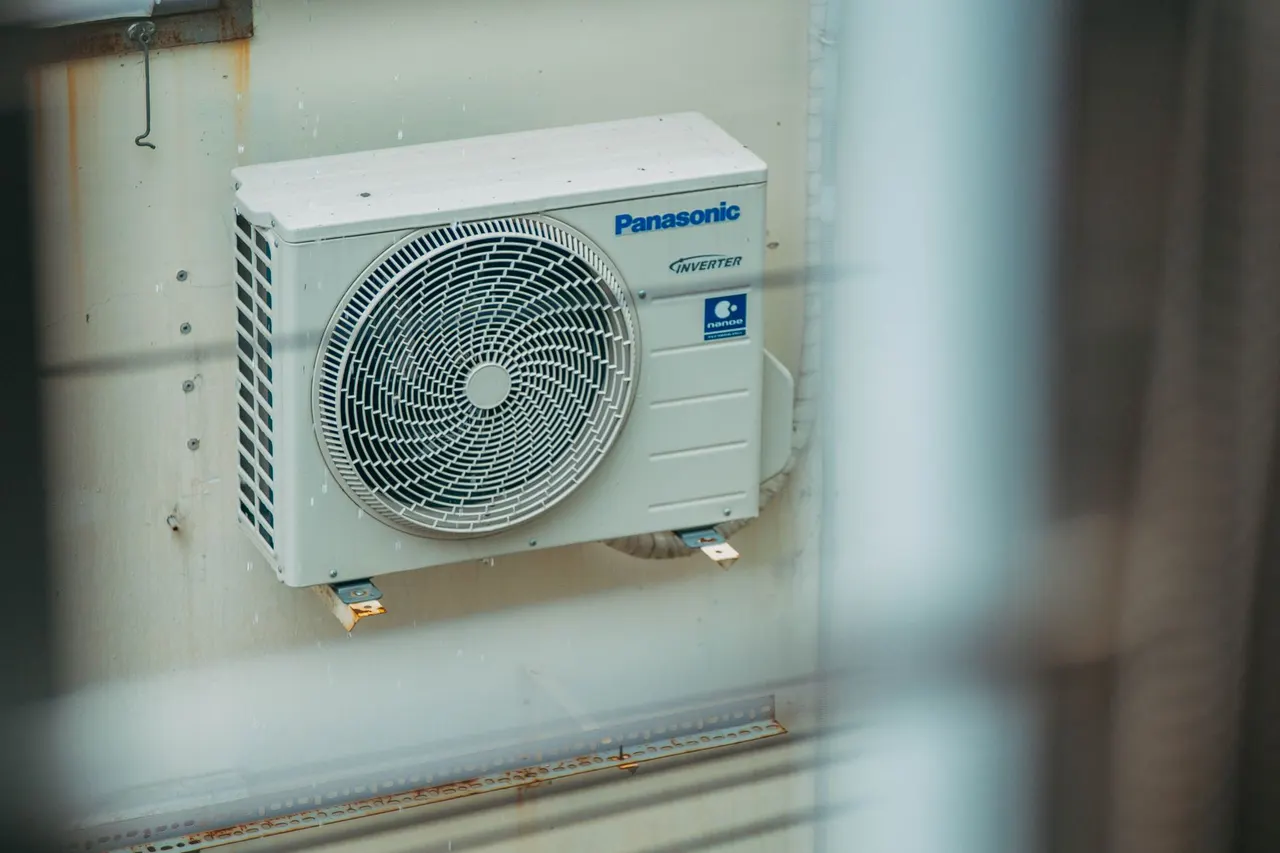
This is the spring half of your annual tune up. We clean the evaporator coil, check refrigerant charge, test the capacitor and contactor, and flush the condensate drain. Doing this in April or May prevents most summer breakdowns.
View service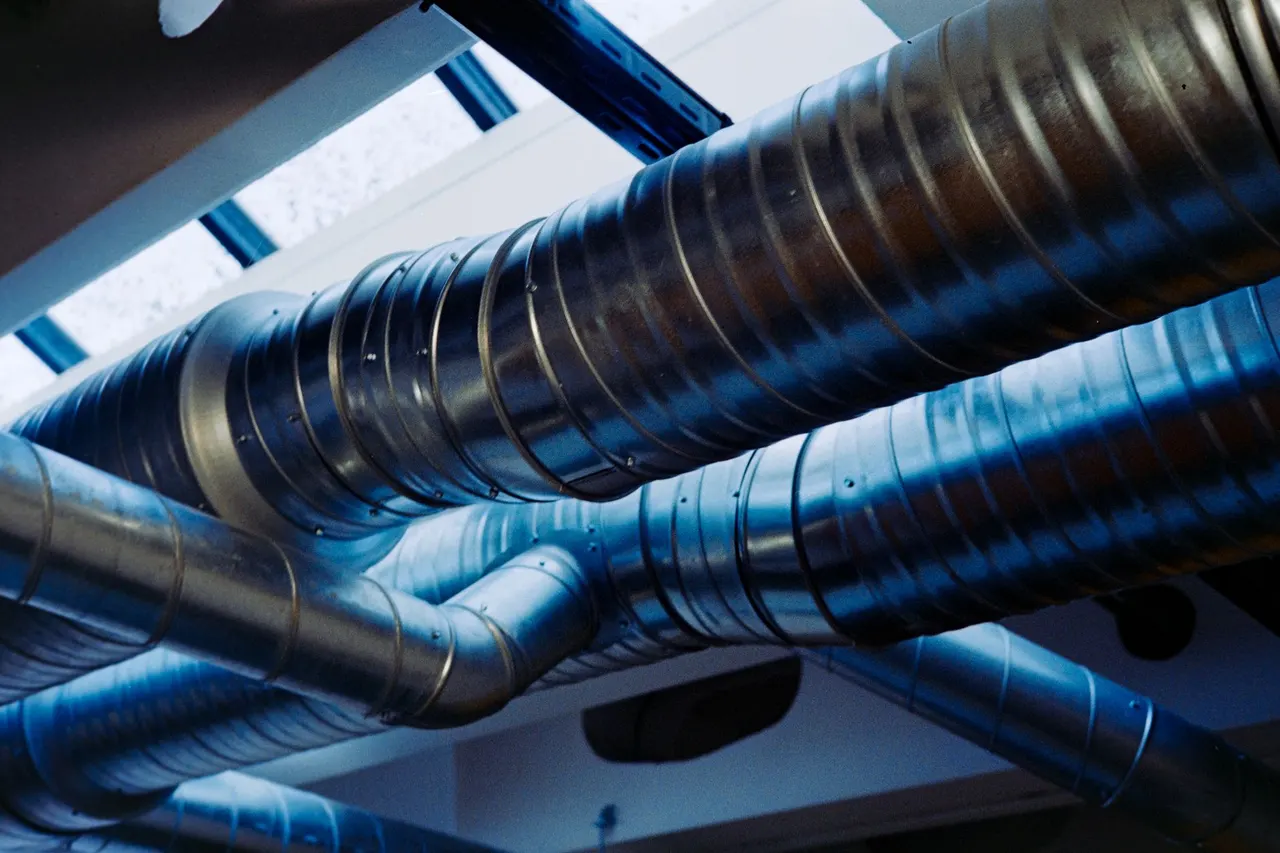
Call us at +1 973-929-2540 or email info@hvacserviceslindennj.com. We answer the phone 24/7 for emergencies. For non-emergency service, we can usually schedule a same-day or next-day visit. Our office is in Linden, New Jersey, and we serve all of Union County.